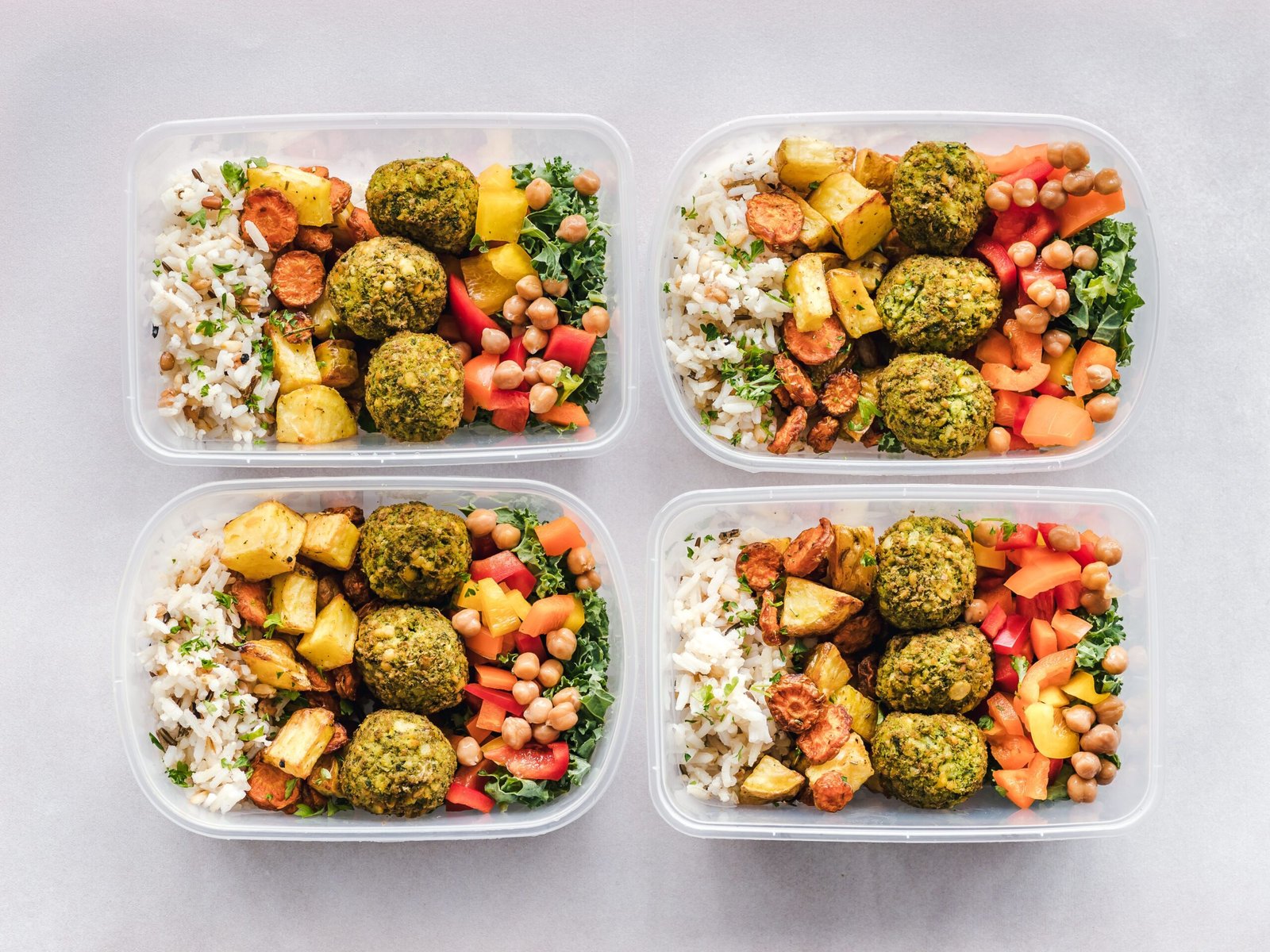
If the idea of meal prep conjures images of perfectly portioned glass containers lined up in a fridge, all color coded and labeled, you’re not alone in feeling like that’s not realistic for your actual life. A lot of meal prep content online is designed for people with a lot of free time, a lot of kitchen equipment, and honestly, a lot of patience for chopping vegetables on a Sunday afternoon.
The truth is, meal prep doesn’t have to look like that to be effective. The goal of meal prep isn’t perfection; it’s reducing the number of decisions and the amount of effort required to eat reasonably well during a busy week. If your current system is “figure it out every single night after work,” even a small amount of prep can make a noticeable difference in stress, time, and food choices.
This post will walk through a realistic approach to meal prep that doesn’t require a free Sunday, fancy equipment, or a rigid system you’ll abandon after two weeks.
Why Meal Prep Helps, Even in Small Doses
Before getting into the how, it’s worth understanding why meal prep works in the first place. The main benefit isn’t really about the food itself; it’s about decision fatigue. By the end of a long workday, most people have limited mental energy left for decisions, especially decisions that require some effort, like figuring out what to cook, whether you have the ingredients, and how long it’ll take.
When there’s no plan in place, this often leads to either ordering delivery, eating something quick but not particularly satisfying, or skipping a proper meal altogether. None of these are moral failures; they’re just predictable outcomes of decision fatigue combined with low energy at the end of the day.
Meal prep interrupts that pattern by moving the decision-making to a time when you have more energy and mental bandwidth, usually earlier in the week or on a day off. Even partial prep, like having a few components ready to go, removes enough friction that cooking a real meal on a Tuesday night feels achievable instead of overwhelming.
Full Meal Prep vs. Component Prep
One of the biggest reasons people give up on meal prep is that they try to fully prep every meal for the entire week in one sitting. This approach can work for some people, but it’s also the most time-consuming and the most likely to lead to boredom, since you’re eating the exact same meal repeatedly.
A more flexible and often more sustainable approach is component prep. Instead of assembling complete meals in advance, you prep individual components, a protein, a grain, a couple of vegetables, and a sauce or two, and then mix and match them throughout the week. This gives you variety without requiring a different cooking session for every different meal.
For example, prepping a batch of grilled chicken, a pot of rice, and roasted vegetables gives you the building blocks for several different meals. One night it’s a rice bowl with a certain sauce, another night it’s tossed into a wrap, and another night it’s paired differently with a fresh vegetable you didn’t prep in advance. Same base ingredients, different meals, and less mental effort required each time.
Component prep tends to work better for busy people specifically because it’s more forgiving. If your week doesn’t go as planned, you’re not stuck with five containers of a specific meal you no longer feel like eating. You have flexible pieces you can combine however fit that day.
Choosing a Realistic Prep Day and Time Block
You don’t need an entire afternoon to make meal prep worthwhile. A realistic starting point is somewhere between forty-five minutes and ninety minutes, once a week, ideally on a day when you have a bit more time than usual, even if it’s not a full day off.
Some people prefer to do this on a weekend day. Others find it easier to prep in the evening on a weekday when they have a lighter schedule. There’s no universally correct time; the right time is whatever slot you can realistically protect on a consistent basis. A shorter, consistent prep session most weeks will do more for you than an ambitious three-hour session that only happens once a month before you burn out on the idea entirely.
If ninety minutes still feels like too much to commit to at first, start smaller. Even twenty to thirty minutes spent washing and chopping vegetables, or getting a protein marinating, removes a meaningful amount of friction from your week. You can build up from there once the habit feels manageable rather than starting with an ambitious plan you’re unlikely to sustain.
A Simple Framework to Follow
Rather than trying to plan every single meal in detail, a simpler framework is to prep by category rather than by recipe. This keeps things flexible and reduces the planning burden.
Pick one or two protein sources. This might be baked or grilled chicken, a batch of ground turkey or beef cooked with basic seasoning, hard-boiled eggs, or a plant-based option like baked tofu or a big batch of lentils. Cooking two different proteins gives you more variety through the week without much additional effort, since you can often cook them around the same time using different pans or sheet trays.
Pick one or two grains or starches. Rice, quinoa, roasted potatoes, or pasta are all good options that reheat reasonably well. Cooking a larger batch than you’ll eat in one sitting means you have a base ready to pair with whatever protein and vegetables you’re using that day.
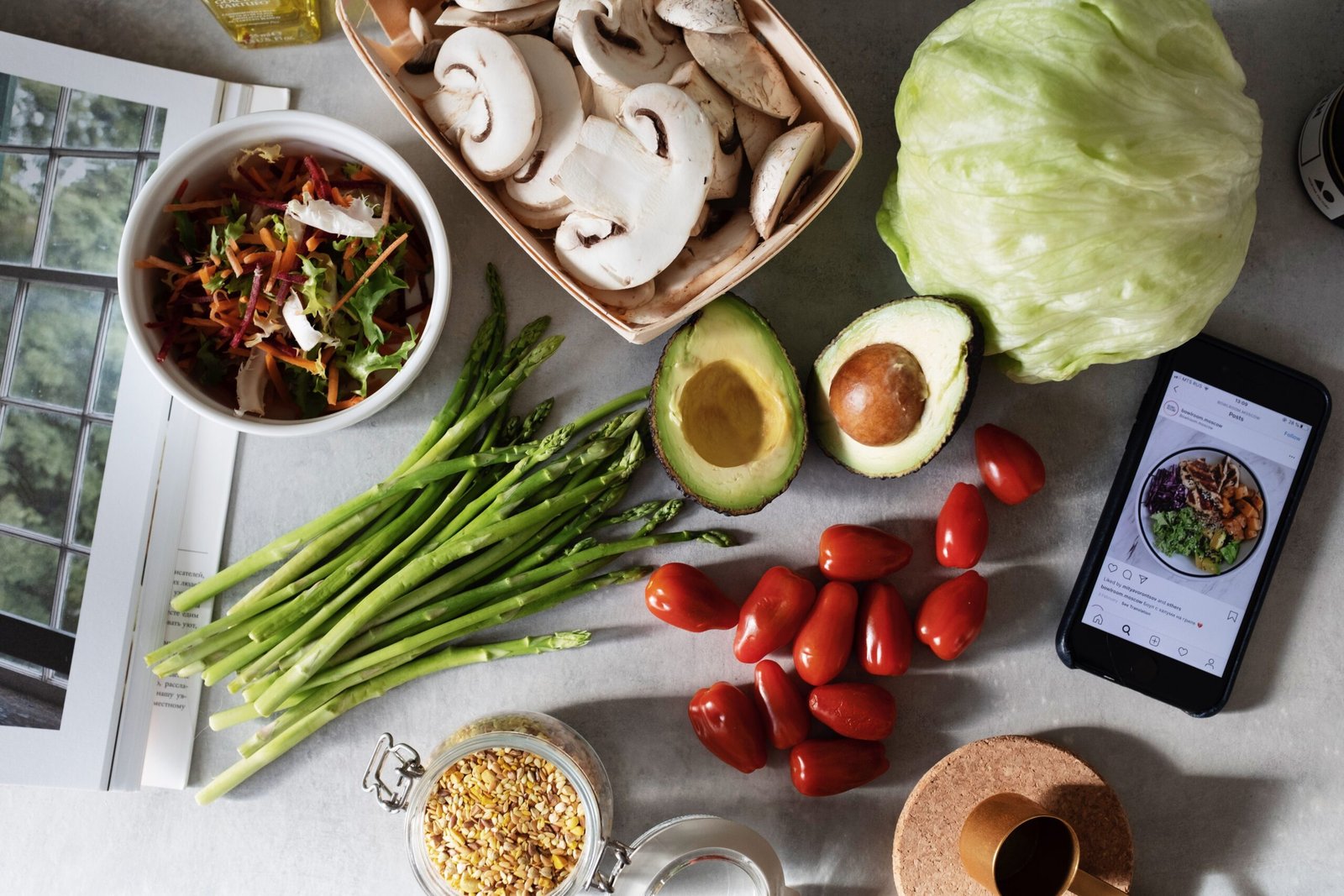
Roast or prep two to three vegetables. Roasting vegetables on a sheet pan is one of the lowest-effort ways to prep a large quantity at once. Something like broccoli, bell peppers, and zucchini can all roast together or separately if you prefer distinct flavors. Vegetables that hold up well to reheating, like broccoli, carrots, and squash, tend to work better for this than something like leafy greens, which are better added fresh.
Prepare one or two sauces or dressings. This is the step that’s easy to skip but makes a bigger difference than you’d expect. A simple vinaigrette, a yogurt-based sauce, or a basic stir-fry sauce can completely change the flavor of the same base ingredients from one day to the next, which helps prevent the boredom that often derails meal prep. Without a sauce, plain chicken, rice, and broccoli every day gets old fast. With a couple of different sauces rotated through the week, the same base ingredients feel like different meals.
This framework gives you enough variety to avoid the monotony that kills most people’s meal prep habits, without requiring you to plan and cook five or six completely different recipes in one session.
Keep the Cooking Methods Simple
You don’t need advanced cooking techniques to make meal prep work. In fact, the simpler the method, the more sustainable the habit tends to be, especially on a weekly basis.
Sheet pan roasting is one of the most efficient methods available, since it requires minimal hands-on time and lets you cook a protein and vegetables simultaneously with very little cleanup. A slow cooker or a pressure cooker can also be useful if you have one, since they allow you to prep a large batch of a protein or a stew-type dish with minimal active effort.
Batch boiling grains or pasta is about as simple as cooking gets, and it can usually happen in the background while you’re prepping other components. The goal here isn’t to develop complicated new cooking skills; it’s to use methods that require the least amount of ongoing attention so you can prep multiple components at the same time without needing to stand over each one individually.
Storage That Actually Works
You don’t need an elaborate system of matching containers to make meal prep functional, but a few basics do help. Clear containers make it easier to see what you have at a glance, which reduces the chance of forgotten food going bad in the back of the fridge. Separating proteins, grains, and vegetables into their own containers, rather than assembling complete meals in advance, supports the component-based approach and keeps things more flexible.
Most cooked proteins, grains, and roasted vegetables hold up well in the refrigerator for about four to five days. If you’re prepping for a full week, it can help to freeze a portion of what you make, particularly proteins, and thaw them partway through the week to extend freshness without needing to cook again midweek.
Labeling isn’t strictly necessary if you’re eating everything within a few days, but if you tend to lose track of what’s in the fridge, a simple piece of tape with the date can prevent food waste and that unpleasant moment of finding something questionable in the back of a container two weeks later.
Building in Flexibility for the Unexpected
A realistic meal prep routine should account for the fact that weeks don’t always go as planned. Plans change, you get invited somewhere unexpectedly, or you’re just not in the mood for what you prepped. A rigid system that assumes every single meal will go exactly as scheduled tends to create unnecessary guilt when life doesn’t cooperate.
This is another reason component prep tends to work better than full meal prep for busy people. If your Tuesday plans change, you’re not stuck with a specific meal that has to be eaten that day before it goes bad. You have flexible components that can be combined differently or saved for another day without any real loss.
It also helps to accept that meal prep doesn’t need to cover one hundred percent of your meals to be worthwhile. Prepping enough components for four or five meals, while leaving room for a takeout night or an easy backup option, is often more sustainable than trying to account for every single meal of the week in advance.
Starting Small and Building the Habit
If you’re new to meal prep, it’s tempting to try to overhaul your entire routine in one week. This usually backfires. A more sustainable approach is to start with just one or two components, maybe a protein and a grain, and build from there once that feels manageable.
Once prepping a protein and a grain each week feels automatic, you can add in roasted vegetables. Once that feels manageable, you can add a sauce or two into the rotation. This gradual approach means the habit has time to actually stick, rather than being abandoned after one ambitious but exhausting attempt.
Meal prep, like most habits, tends to work better when it’s built incrementally rather than adopted all at once. The version of meal prep that actually lasts is usually the modest, repeatable one, not the elaborate one you saw online that assumes unlimited time and energy.
The Bottom Line
Meal prep doesn’t need to be an all-day event or a perfectly executed system to be worth doing. Prepping components rather than full meals gives you flexibility and variety without requiring hours of cooking or complex recipes. A realistic time investment of under two hours once a week, focused on a protein, a grain, some vegetables, and a sauce or two, can meaningfully reduce the daily decision fatigue that often leads to less satisfying meals during a busy week.
Start small, keep your methods simple, and build in room for weeks that don’t go exactly as planned. The goal isn’t a picture-perfect fridge full of matching containers; it’s making your busy weeknights a little easier and your meals a little more consistent, one manageable step at a time.