
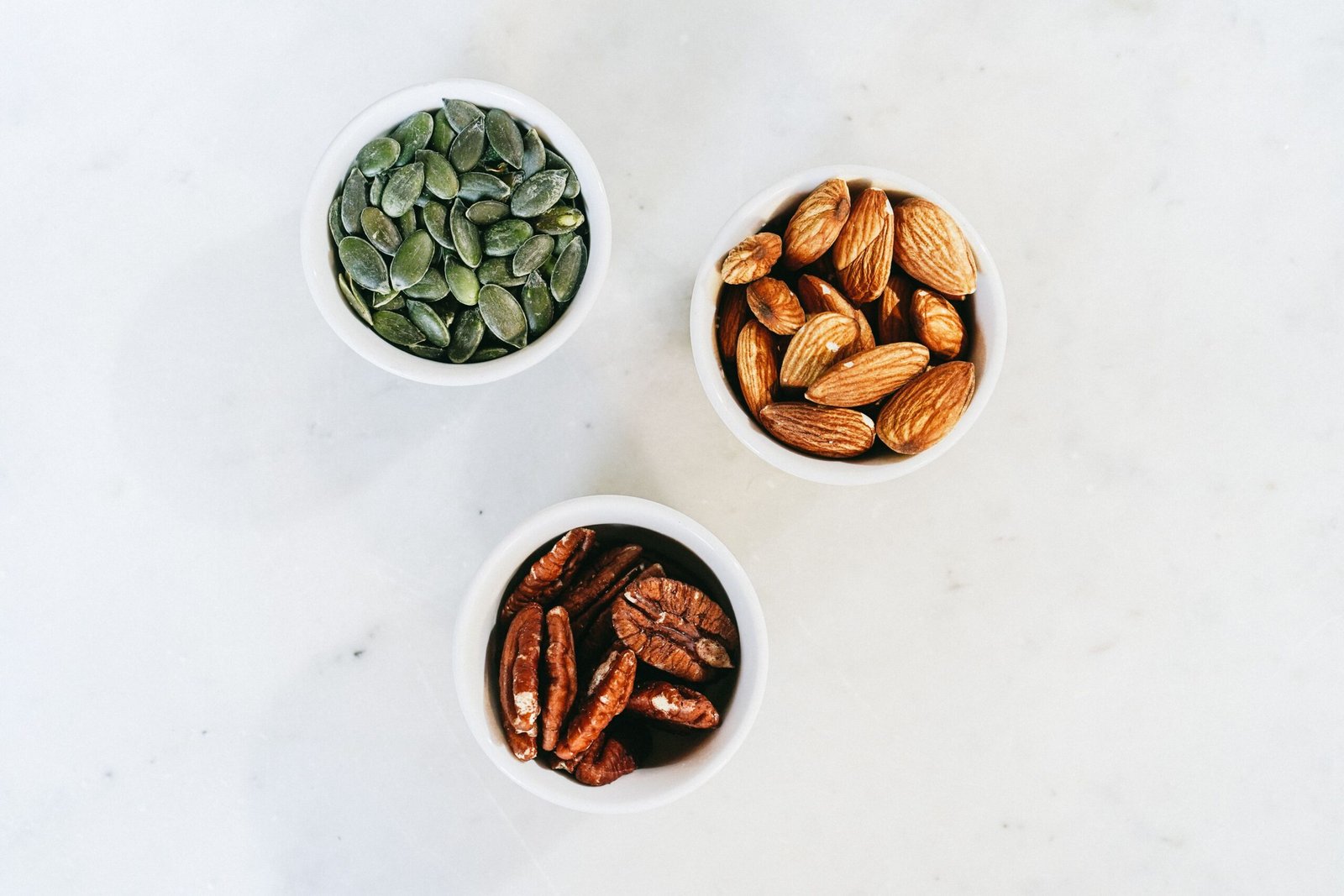
Most of us can name a few foods that contain magnesium, usually spinach and almonds, and then run out of ideas. That’s a shame, because magnesium is one of those nutrients where small, ordinary food choices add up quickly. A handful of seeds at breakfast, a scoop of beans at lunch, and a square of dark chocolate in the afternoon can move your day a long way.
This guide is meant to be used rather than admired. You’ll find the foods that deliver the most magnesium per serving, realistic portion sizes, a sample day that shows how the numbers stack up, and some honest notes on where food lists can mislead you. I’ll also cover who might need to pay extra attention to magnesium and when supplements enter the picture.
The Quick Answer
The richest everyday sources of magnesium are pumpkin seeds, chia seeds, almonds, cashews, cooked spinach, beans, whole grains, soy foods, and dark chocolate. As a rough guide, one ounce (about 28 g) of pumpkin seeds gives you around 156 mg, which is more than a third of a typical adult’s daily target, and a half cup of boiled spinach gives you about 78 mg.
Adults generally need somewhere between 310 and 420 mg per day, depending on age and sex. NIH lists the recommended amounts as 400–420 mg for men and 310–320 mg for women, with slightly higher amounts during pregnancy. That target counts magnesium from all sources, including food, supplements, and medications. nih
What Magnesium Does, and Why Food Is a Good Place to Get It
Magnesium is involved in hundreds of chemical reactions in the body, including those that support muscle and nerve function, energy production, and bone health. You don’t need to memorize the list. What matters for your plate is that magnesium is widely distributed in foods, but concentrated in a particular set of them: nuts, seeds, legumes, whole grains, and green leafy vegetables.
That pattern explains something worth noticing. Refined foods tend to be low in magnesium because the magnesium-rich parts of grains (the bran and germ) are removed during processing. So a diet heavy in white bread, white rice, and packaged snacks can run low even when calories are plentiful. Swapping toward whole, minimally processed plant foods tends to lift magnesium intake almost automatically.
Food is also a forgiving source. NIH’s upper limit of 350 mg per day applies only to magnesium from supplements and medications, not magnesium naturally present in food. So the main reason to be careful with magnesium is concentrated pills and powders, not the almonds on your desk. nih
The Magnesium Food List
Amounts below are approximate. Different databases give slightly different numbers depending on how a food was grown, processed, and measured, so treat them as a good map rather than a precise measurement. Where I’ve cited a figure, it’s drawn from NIH-based food tables and other published lists.
Seeds: the heavy hitters
Seeds are the most concentrated sources by far, and a small portion goes a long way.
- Pumpkin seeds (pepitas), roasted, 1 oz: about 156 mg. One ounce of roasted pumpkin seeds delivers about 37% of the daily value, more than any other common food per handful. acibademinternational
- Chia seeds, 1 oz (about 2 tablespoons): roughly 95–111 mg, depending on the source.
- Sesame seeds, ¼ cup: about 126 mg.
- Whole flaxseeds, 1 tablespoon: about 40 mg.
Seeds are easy to sneak into meals. Stir chia into oatmeal or yogurt, sprinkle pumpkin seeds over salads and soups, and use tahini (sesame paste) in dressings and dips.
Nuts: portable and dependable
- Brazil nuts, 1 oz (about 6 nuts): about 107 mg. Brazil nuts are also very high in selenium, so they work best as an occasional food rather than a daily handful.
- Almonds, 1 oz (about 23 nuts): about 80 mg.
- Cashews, 1 oz (about 16 nuts): about 74 mg.
- Peanuts, ¼ cup: about 63 mg. Peanuts are technically legumes, but they behave like nuts on your plate.
- Hazelnuts, ½ cup: about 110 mg.
A small handful is a practical serving. If you’re watching calories, remember that nuts and seeds are energy-dense, so measure the first few times until your eye learns what an ounce looks like.
Leafy greens and vegetables
- Spinach, boiled, ½ cup: about 78 mg. Cooking matters here. One cup of raw spinach contains only about 20 mg, while a cup of cooked spinach contains roughly 166 mg, because cooking shrinks the leaves so much that you eat far more of them per cup. therapeutic research
- Swiss chard, boiled, ½ cup: about 75 mg.
- Potato, baked with skin, 1 medium: about 80 mg. Leave the skin on.
- Avocado, 1 medium: roughly 45–60 mg, depending on size and source.
This is a useful reminder that comparing foods by “cup” can mislead. A cup of raw leaves and a cup of cooked leaves are very different amounts of food.
Legumes and soy foods
- Edamame, cooked, 1 cup: about 99 mg.
- Black beans, cooked, ½ cup: about 60 mg.
- White beans, canned, ½ cup: about 67 mg.
- Soymilk, 1 cup: roughly 37–61 mg, depending on the brand and whether it’s fortified.
- Tofu and other soy foods: often a solid contributor, though amounts vary by brand and by how the tofu was made.
Beans and lentils are the most budget-friendly entries on this list, and they bring fiber and protein along with the magnesium.
Whole grains
- Amaranth, cooked, 1 cup: about 160 mg, one of the highest grain sources.
- Quinoa, cooked, 1 cup: roughly 109–118 mg.
- Shredded wheat, 2 large biscuits: about 61 mg.
- Oatmeal, cooked, 1 cup: about 58 mg.
- Brown rice, cooked, ½ cup: roughly 38–72 mg, since published figures vary widely.
Whole grains are quiet contributors. They rarely top a ranking, but because people eat them in large amounts, they often supply a major share of daily intake.
Dairy, fruit, and treats
- Dark chocolate (70–85% cocoa), 1 oz: about 65 mg.
- Plain low-fat yogurt, 1 cup: about 42 mg.
- Banana, 1 medium: about 32 mg. Bananas are often credited with more magnesium than they deliver. They’re a fine food, just not a leading source.
- Raisins, ½ cup: about 29 mg.
Dark chocolate is the pleasant surprise on this list. A square or two can add a meaningful amount, though it also adds calories, sugar, and sometimes caffeine, so enjoy it as a treat rather than a strategy.
A Sample Day That Clears the Target
Numbers on a list are one thing, but meals are another. Here’s one realistic day, using the approximate values above:
- Breakfast: a cup of cooked oatmeal (58 mg) with a sliced banana (32 mg) and a small cup of plain yogurt (42 mg) comes to about 130 mg.
- Lunch: a bowl built on ½ cup of black beans (60 mg) and ½ cup of cooked spinach (78 mg) comes to about 140 mg.
- Snack: an ounce of almonds is about 80 mg.
- Dinner: a baked potato with the skin is about 80 mg.
That adds up to roughly 430 mg, which meets or exceeds the RDA for most adults, and none of it required a special product. Swap the almonds for pumpkin seeds and you gain another 75 mg or so. Add a square of dark chocolate and you’ve got a comfortable margin.
The point isn’t to copy this menu. It’s that a pattern of beans, greens, whole grains, nuts, and seeds does the job without much effort.
Making It Easier: Simple Swaps
If you’d rather change habits than count milligrams, these small substitutions add up:
- Choose whole-grain bread, oats, or brown rice in place of refined versions.
- Keep a jar of pumpkin seeds near the stove and add them to soups, salads, and eggs.
- Stir chia seeds into overnight oats or yogurt.
- Use beans or lentils in place of some of the meat in tacos, chili, and pasta sauces.
- Swap chips for almonds or cashews at snack time.
- Cook spinach or chard into soups and stews, where it wilts down to almost nothing.
- Add edamame to rice bowls and salads.
Consistency beats perfection. A mostly plant-forward pattern with some seeds and legumes each day gives you a steady supply.
Does Everything You Eat Count? Absorption and Other Caveats
A food’s magnesium number tells you how much is in the food, not exactly how much your body absorbs. A few things are worth knowing.
Whole grains, legumes, and seeds contain compounds called phytates, which can bind minerals and reduce how much is absorbed. This is a real effect, but it’s not a reason to avoid these foods. They’re still among the best sources, and they bring fiber and other nutrients that matter. Soaking, sprouting, and fermenting (as in sourdough or tempeh) can reduce phytates for people who want to go further.
Spinach also contains oxalates, which can bind minerals, so its magnesium may be less available than the raw number suggests. Again, it’s a good food, but variety is a better strategy than relying on one green.
Finally, published magnesium values differ by source. Soil, variety, and processing all matter. If one list says 160 mg and another says 150, don’t lose sleep over it.
Who May Need to Pay Extra Attention
Most healthy people can meet their needs through food, but some situations make low magnesium more likely. Conditions that affect how the body absorbs or loses nutrients are the main ones. People with Crohn’s disease, celiac disease, alcoholism, and type 2 diabetes are at risk of inadequate magnesium levels, and older adults are more likely to have conditions or take medications that lower it. Some common drugs, including diuretics and long-term acid-reducing medications, have been linked to lower magnesium levels. rxlist
If you fall into any of those groups, or you have symptoms such as persistent muscle cramps or fatigue and wonder whether magnesium is involved, talk to a clinician. A food list is a good foundation, but it isn’t a diagnosis.
Food vs. Supplements
Supplements can be useful when diet falls short or a clinician recommends one, but they work differently from food, and the safety picture changes.
High intakes of magnesium from supplements and medications can cause diarrhea, nausea, and abdominal cramping, and the adult upper limit for these sources is 350 mg per day. Magnesium also shows up in some laxatives and antacids, so it’s worth reading labels and adding up everything you take. nih
Kidney health is the important exception. The kidneys clear excess magnesium, so people with reduced kidney function are at higher risk of buildup. Magnesium supplements can be dangerous for people with kidney disease and should be used only under a physician’s supervision. If you have kidney disease, check with your care team before changing your magnesium intake in any significant way, including through supplements. consumerlab
For most healthy adults, the sensible order of operations is food first, then a supplement only if there’s a clear reason and a dose that fits within the limit.
A Practical Shopping List
If you want to stock a kitchen for magnesium, this list covers the bases without any exotic purchases:
- Pantry: rolled oats, quinoa, brown rice, canned black or white beans, dried lentils, chia seeds, tahini
- Nuts and seeds: raw or dry-roasted pumpkin seeds, almonds, cashews
- Produce: spinach or chard, potatoes, avocados, bananas
- Refrigerated: plain yogurt, tofu, edamame
- Treat: dark chocolate (70% cocoa or higher)
Store nuts and seeds in a cool, dry place or the refrigerator, since their oils can go rancid over time.
Putting It Together
You don’t need to chase a perfect number or build every meal around one nutrient. Magnesium-rich foods are, for the most part, the foods nutritionists already recommend: beans, whole grains, greens, nuts, and seeds. If you eat from those groups most days, you’re likely doing well.
The small habits matter most. Keep seeds and nuts within easy reach, pick whole grains over refined ones, add beans to a meal or two each week, and cook your greens. If you have a health condition, take regular medications, or suspect you’re running low, bring it up with a clinician before reaching for a supplement. This article is general information, not medical advice.