Cooking destroys some nutrients and makes others easier to absorb. Which effect wins depends on the vegetable, the nutrient, and the method. Vitamin C and other water-soluble nutrients are the main casualties. Carotenoids such as lycopene and beta-carotene often become more available after heating. In broccoli, the key change isn’t a vitamin at all: heat…
Month: October 2026
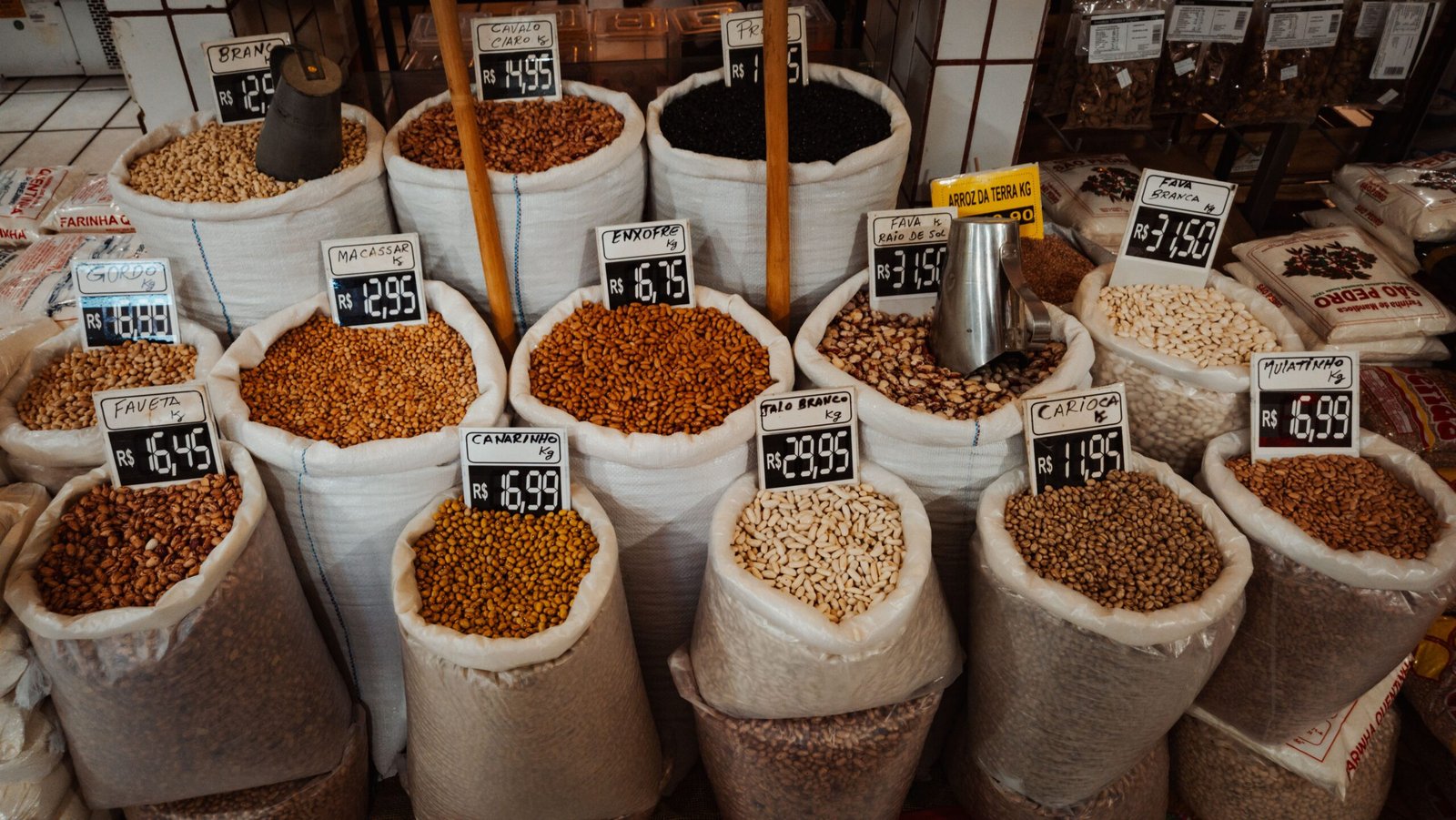
How to Cook Dried Beans and Lentils From Scratch
To cook dried beans, sort and rinse them, soak them if you like, then simmer them gently in salted water until the centers turn creamy. That usually takes somewhere between 45 minutes and two hours, depending on the bean and how old it is. Lentils are easier. They need no soaking, and most varieties are…
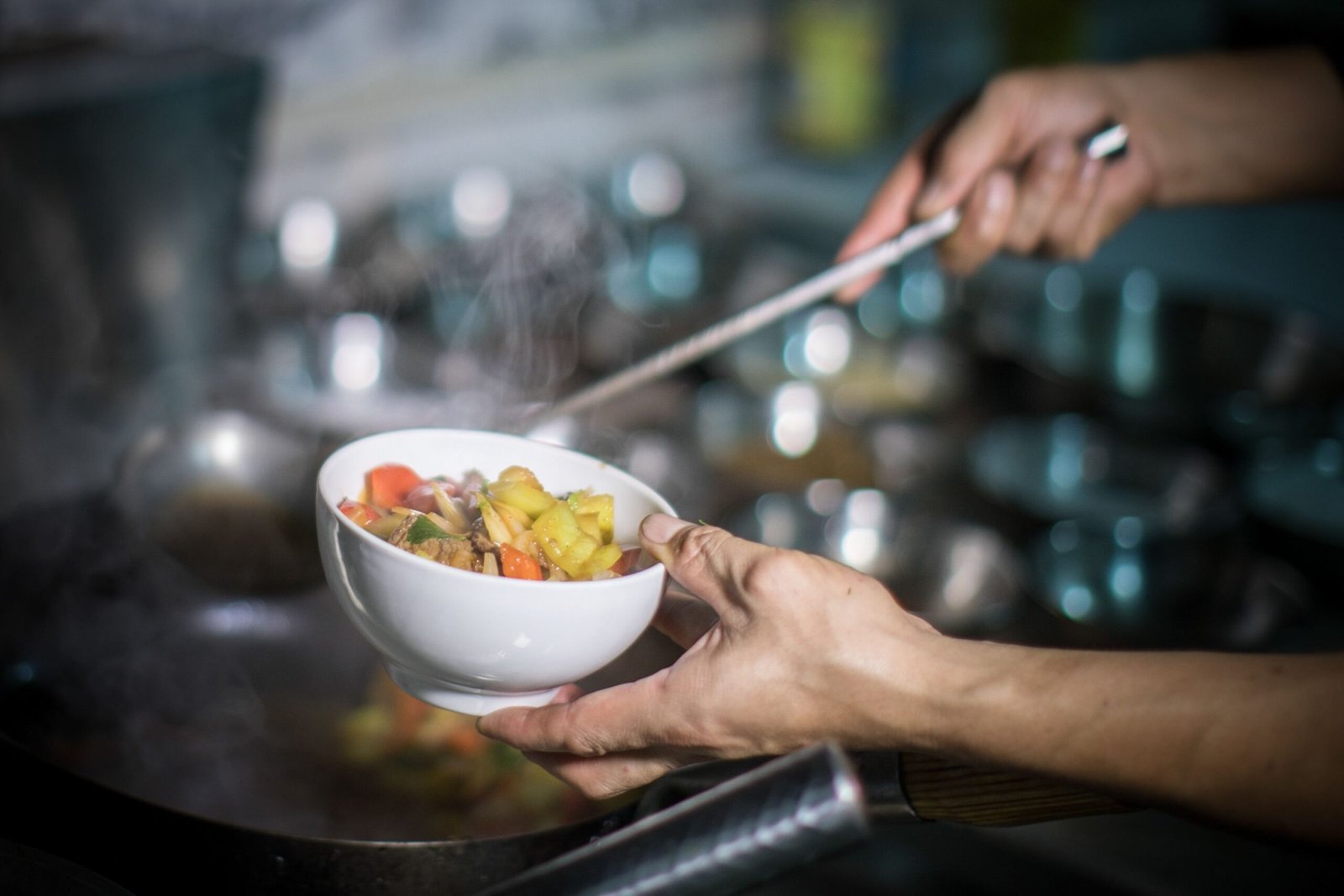
How to Cook Vegetables So They Actually Taste Good
If you’ve ever pushed a pile of gray-green mush around your plate, you already know the problem. Vegetables are good for you, everyone says so, and yet a lot of us only eat them out of duty. The usual explanation is that vegetables just aren’t that exciting. That’s rarely true. More often, the vegetables were…
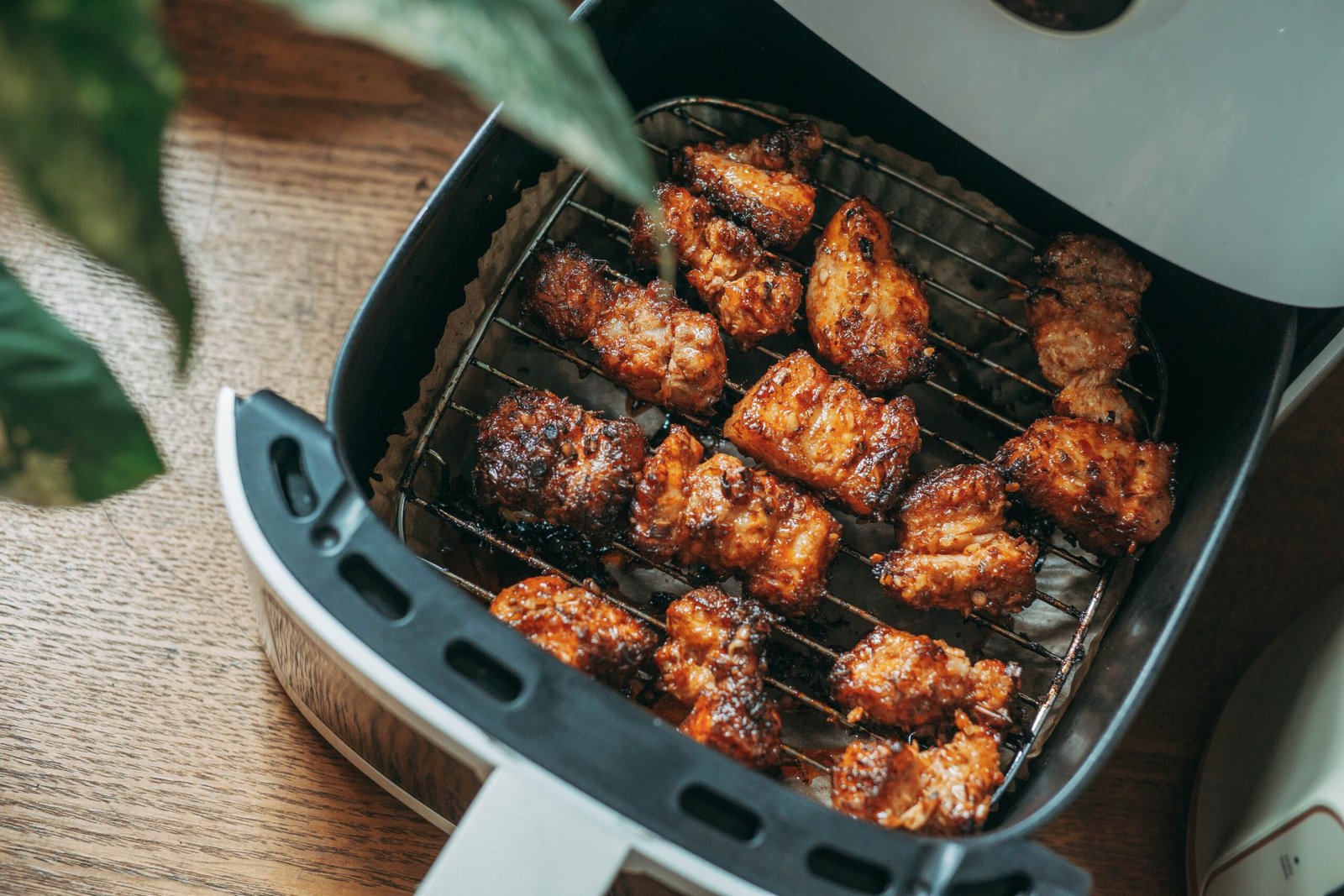
Air Fryer vs Oven: Which Is Healthier? What the Evidence Says
Air fryers have gone from novelty to countertop staple in a few years, and most of the marketing rests on one idea: crispy food, minus the guilt. It’s a nice promise, but it raises an obvious question. If you already own an oven, is the air fryer actually healthier, or is it a very good-looking…
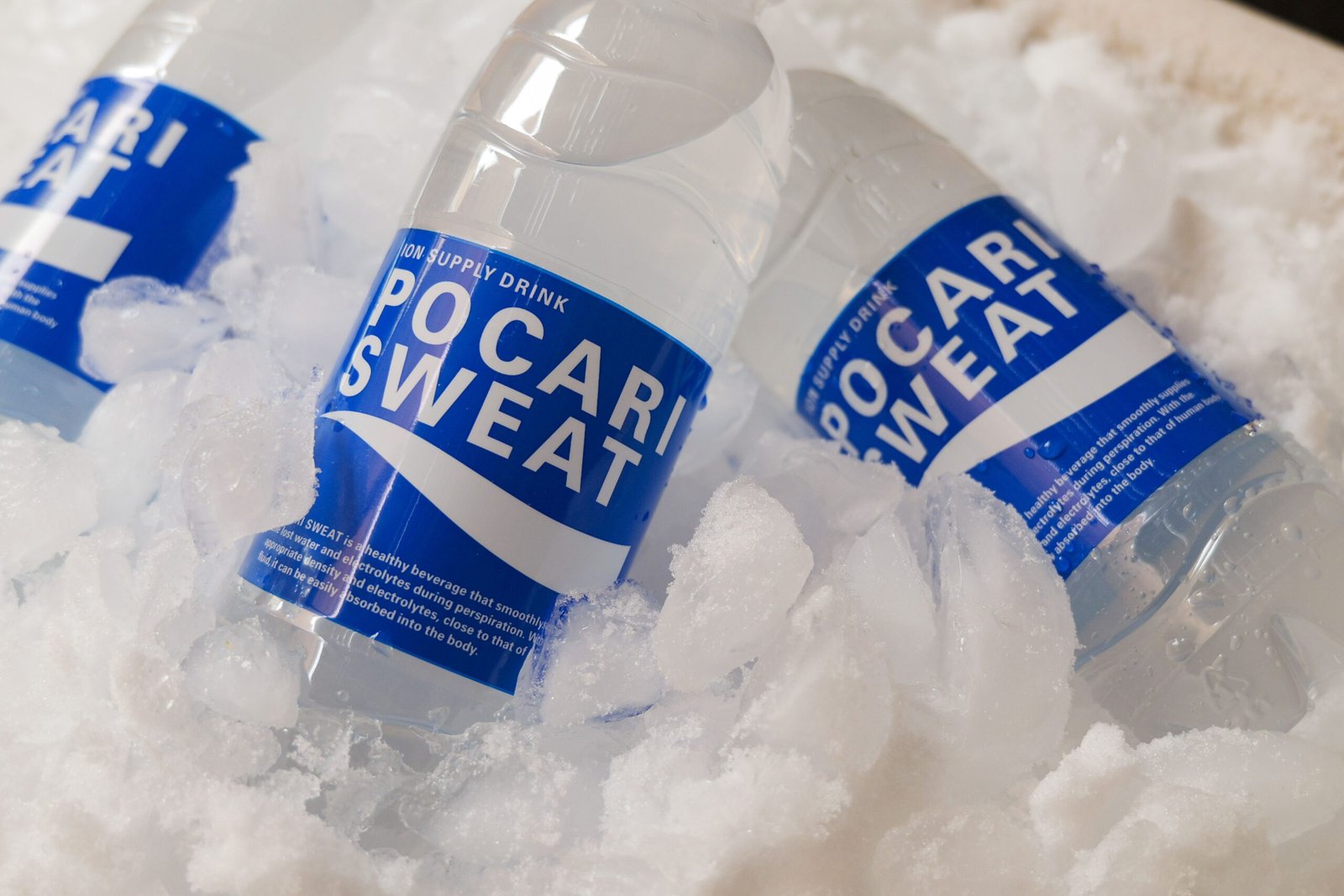
Electrolytes Explained: Sodium, Potassium, and Magnesium in Everyday Hydration
Walk down any supermarket aisle and you’ll find powders, tablets, fizzy waters, and ready-to-drink bottles promising “electrolytes” for hydration, energy, and recovery. The word has become shorthand for “good for you,” and the marketing leans on the fear that plain water isn’t enough. Sometimes it isn’t. Often it is. The truth sits between those two…
How to Increase Fiber Without Bloating: A Gentle, Practical Plan
You decide to eat better. You swap your usual toast for bran cereal, add a big lentil salad at lunch, and snack on raw veggies. By evening, your stomach feels like an overinflated balloon, and you’re wondering whether fiber is secretly your enemy. It isn’t. What you’ve experienced is one of the most common and…
Soluble vs. Insoluble Fiber: Which Foods Contain Which
If you’ve ever stood in a grocery aisle comparing a box of oatmeal to a bag of bran flakes and wondered whether it matters which one you choose, the answer is a little, and sometimes quite a lot. Fiber comes in two broad types, and they do different jobs in your body. One thickens and…
Zinc Food Sources and Signs Your Diet May Be Low in It
Zinc doesn’t get the attention that iron, calcium, or vitamin D do, which is a little unfair for a mineral involved in immune function, wound healing, taste and smell, and the way your cells grow and divide. It also has a quirk that makes it worth understanding: it’s easy to meet your needs on a…
Magnesium-Rich Foods: A Practical Food List
Most of us can name a few foods that contain magnesium, usually spinach and almonds, and then run out of ideas. That’s a shame, because magnesium is one of those nutrients where small, ordinary food choices add up quickly. A handful of seeds at breakfast, a scoop of beans at lunch, and a square of…
Fat-Soluble vs Water-Soluble Vitamins: How They Differ and Why It Matters
Almost every vitamin label, nutrition article, and well-meaning relative will tell you to “get enough vitamins.” Far fewer will tell you that vitamins come in two behavioral camps and that the camp a vitamin belongs to changes how you should eat it, how often you need it, and how much is too much. The split…