
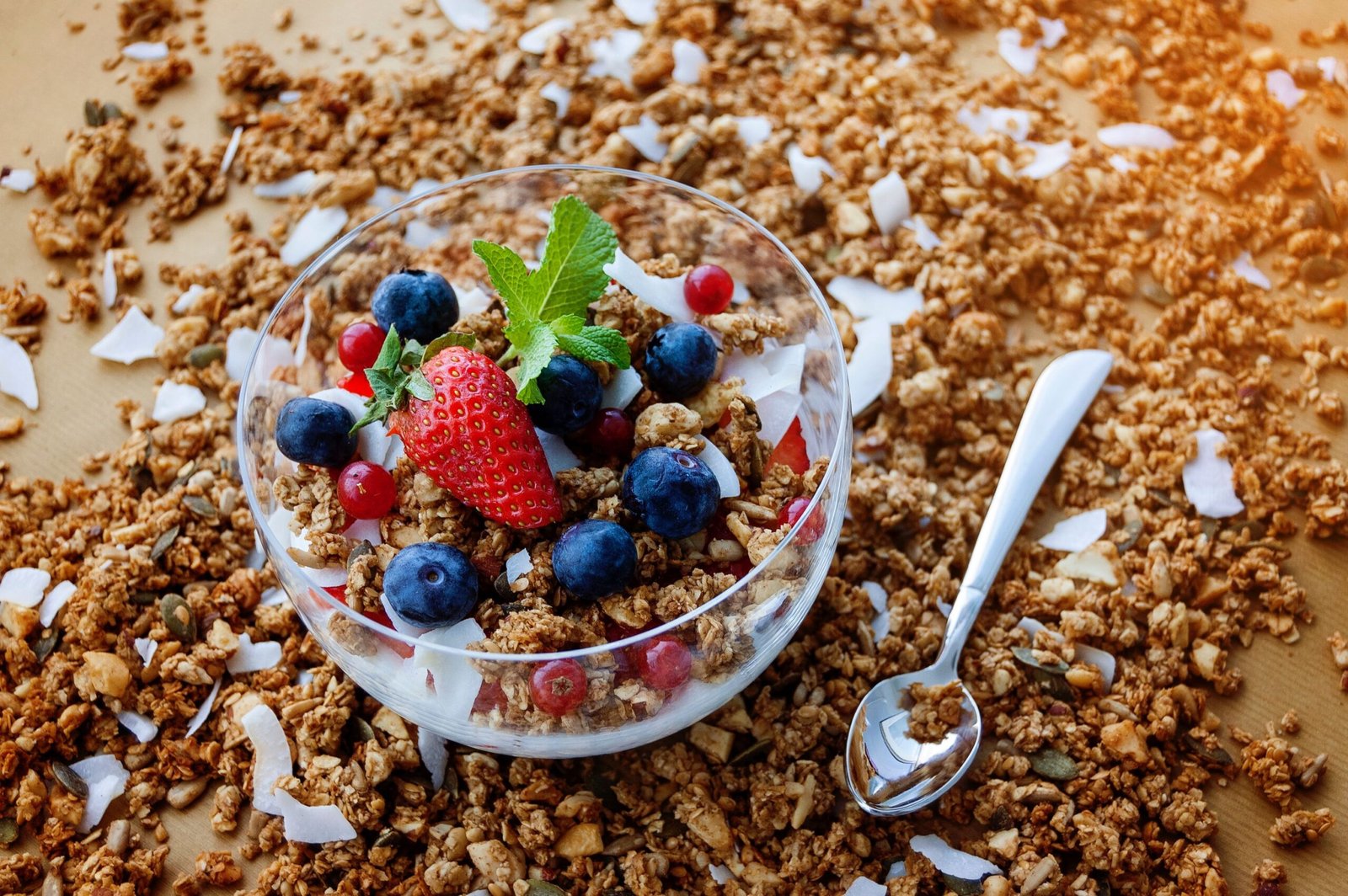
If you’ve ever stood in a grocery aisle comparing a box of oatmeal to a bag of bran flakes and wondered whether it matters which one you choose, the answer is a little, and sometimes quite a lot. Fiber comes in two broad types, and they do different jobs in your body. One thickens and slows things down. The other adds bulk and keeps things moving.
The good news is that you rarely have to choose. Nearly every plant food contains both types, and a varied diet of whole plant foods covers the ground. But knowing which foods lean which way is genuinely useful, especially if you’re trying to lower your cholesterol, ease constipation, or simply fit more fiber into your day without feeling bloated.
This guide explains how the two types differ, which foods are richest in each, what the evidence says about their benefits, and how to increase your intake comfortably.
The Short Answer
Soluble fiber dissolves in water and forms a gel. It’s abundant in oats, barley, beans, lentils, peas, apples, citrus fruit, carrots, and psyllium. It’s the type best known for lowering LDL cholesterol and slowing the absorption of sugar.
Insoluble fiber doesn’t dissolve. It adds bulk to stool and helps food move through your digestive system. It’s concentrated in wheat bran, whole grains, nuts, seeds, leafy greens, and the skins of fruits and vegetables.
Most foods contain a mix. Oats are famous for soluble fiber, yet they contain insoluble fiber too, and wheat bran is known for the insoluble kind but contains some soluble. So think of the labels as describing what a food leans toward, not what it exclusively contains.
For total intake, the commonly cited targets are 25 grams per day for women and 38 grams for men aged 50 or younger, dropping to 21 grams and 30 grams after age 50. Most people fall well short, with the average American eating around 15 grams a day. cadence
How the Two Types Work Inside Your Body
Both kinds of fiber are parts of plant foods that your digestive enzymes can’t break down. What differs is what happens to them on the way through.
Soluble fiber: the gel-former
When soluble fiber meets water in your gut, it thickens into a gel. That gel slows the digestion of food. The practical effects are a slower, steadier rise in blood sugar after meals and a feeling of fullness that lasts longer. barrier
Soluble fiber also interacts with cholesterol. Beta-glucan, the soluble fiber in oats and barley, binds to bile acids in the intestine. Your liver then draws cholesterol out of the bloodstream to make more bile, which lowers circulating LDL cholesterol. Many soluble fibers are also fermented by bacteria in your large intestine, which is part of why they’re associated with gut health. That fermentation is also what can cause gas when you increase your intake quickly.
Insoluble fiber: the bulk builder
Insoluble fiber stays largely intact. It absorbs little water, adds bulk and speed to stool, and tends to work faster than soluble fiber for constipation. Think of it as the “sweeping” fiber. That’s the reason wheat bran, whole grains, and vegetable skins have such a long reputation for regularity.
One caution: fiber isn’t a magic bullet for constipation. Without adequate water, fiber can actually worsen constipation, so fluids matter as much as grams.
Foods Richest in Soluble Fiber
Here’s where soluble fiber is concentrated, with approximate amounts where reliable figures exist. Fiber values vary by variety, ripeness, and preparation, so treat them as estimates.
Oats and oat bran. The star of the soluble category. Oats contain beta-glucan, and while they’re often described as a soluble fiber food, about half of the fiber in a cup of cooked oats is soluble. The rest is insoluble. clean kitchen
Barley. Another beta-glucan source. Pearled barley provides about 6 grams of total fiber per cooked cup. Barley is easy to add to soups and stews, and it adds a pleasant chew. he
Beans, lentils, peas, and chickpeas. Legumes deliver both types, with a lot of soluble fiber. Three-quarters of a cup of cooked black beans supplies about 5.4 grams of soluble fiber. For total fiber, a half cup of cooked beans such as navy, pinto, kidney, or lima provides roughly 6 to 10 grams. barriefhtsas
Apples, pears, citrus, and berries. These contain pectin, a soluble fiber. Eating them with the skin on also adds insoluble fiber, which is why a peeled apple delivers noticeably less than an unpeeled one.
Carrots, Brussels sprouts, and sweet potatoes. Vegetables with a decent soluble share, among other fibers.
Avocado. Half an avocado supplies about 2.1 grams of soluble fiber. Stewart Medicine
Psyllium husk. The main ingredient in many fiber supplements and a concentrated soluble source. It’s useful when food alone doesn’t get you to your goal, though it isn’t a substitute for a high-fiber diet.
Nuts and seeds. They contribute smaller soluble amounts, for example, about 1 gram per quarter cup for hazelnuts or sunflower seeds, but plenty of insoluble fiber.
Foods Richest in Insoluble Fiber
Wheat bran and bran cereals. The most concentrated everyday source. One ounce of 100% bran ready-to-eat cereal supplies about 9 grams of fiber. Bran flakes are less concentrated, at about 5 grams per three-quarter cup serving.
Whole-grain breads, pastas, and brown rice. Choosing whole grains over refined ones keeps the bran in. A cup of cooked whole-wheat spaghetti provides about 6 grams of fiber. he
Nuts and seeds. Almonds, walnuts, flaxseed, and sunflower seeds all add insoluble fiber along with healthy fats.
Vegetables, especially with skins. Cauliflower, green beans, celery, cucumbers, zucchini, tomatoes, and potatoes with their skins all contribute. Leafy greens like spinach and kale do too.
Fruit skins. The skins of apples, pears, and grapes are largely insoluble fiber.
Corn and whole cornmeal. Often overlooked, but useful in bread, tortillas, and popcorn.
A Quick Reference Table
| Leans soluble | Leans insoluble | Good mix of both |
|---|---|---|
| Oats, oat bran | Wheat bran, bran cereal | Beans, lentils, chickpeas |
| Barley | Whole-wheat bread and pasta | Most fruits (with skins) |
| Psyllium husk | Brown rice, bulgur | Carrots, sweet potatoes |
| Citrus fruit, apple pulp | Leafy greens, cauliflower | Nuts and seeds |
| Avocado | Vegetable and fruit skins | Brussels sprouts |
Use the table as a guide to leanings rather than a strict classification. Different sources group borderline foods differently, which is a sign that the real picture is more of a continuum than a clean split.
What the Evidence Says About Benefits
Cholesterol
This is the best-documented soluble fiber benefit. In the United States, the FDA allows a health claim for certain soluble fiber sources when eaten as part of a diet low in saturated fat and cholesterol: at least 3 grams per day of beta-glucan soluble fiber from whole oats or barley, or at least 7 grams per day of soluble fiber from psyllium seed husk. ecfr
In terms of effect size, analyses of oat beta-glucan trials suggest that consuming at least 3 grams daily can lower total and LDL cholesterol by roughly 5 to 10%. For psyllium, a meta-analysis of eight trials found that about 10 grams per day reduced LDL by approximately 7% after eight weeks. That’s a modest effect, comparable to other dietary changes, not a replacement for medication when a doctor has prescribed it. Pushing the dose higher doesn’t help much either, since soluble fiber doses above 10 grams a day don’t seem to increase effectiveness. Oats: Benefits, Dosage, Contraindications +2
For perspective on the 3-gram figure, a standard half-cup of dry rolled oats provides roughly 1.5 to 2 grams of beta-glucan, so a bowl of oatmeal a day, plus beans or barley elsewhere in the day, gets you most of the way. Many nutrition resources suggest aiming for at least 5 to 10 grams of soluble fiber a day if you’re working on cholesterol.
Blood sugar
Because soluble fiber slows digestion, it’s commonly linked to steadier blood sugar after meals. This is one reason higher-fiber diets are recommended to people managing diabetes. If you take glucose-lowering medication, it’s worth mentioning big dietary changes to your care team.
Regularity
Insoluble fiber adds bulk and speeds transit, so it’s the type typically associated with relief from constipation. Soluble fiber helps too, particularly psyllium, which holds water and softens stool. People differ a lot here. Some find wheat bran helpful, and others find it irritating, especially with irritable bowel syndrome. If one type bothers you, switching the emphasis is reasonable.
Fullness and weight
Fiber-rich foods tend to be filling, and the gel-forming effect of soluble fiber may add to satiety. That’s a plausible benefit, but it’s easy to overstate. Fiber works best as part of an overall pattern, not as a standalone weight tool.
Do You Need to Track Soluble and Insoluble Separately?
For most people, no. Dietary guidelines set targets for total fiber, and a varied diet of vegetables, fruit, legumes, whole grains, nuts, and seeds will supply a healthy mix without any tracking. Food labels typically list total fiber, and many don’t break out the two types.
The exception is when you have a specific goal. If you’re working on cholesterol, leaning into oats, barley, beans, and psyllium makes sense. If your main concern is constipation, favoring whole grains, bran, and vegetables with skins is a reasonable move. Either way, the larger problem for most people isn’t the ratio. It’s the total. Getting from 15 grams to 25 grams matters far more than fine-tuning the split.
A Sample Day That Reaches the Target
Here’s an example day that reaches roughly 25 grams, using approximate figures:
- Breakfast: three-quarters of a cup of bran flakes with milk (about 5 g)
- Lunch: a salad or bowl with a half cup of beans (about 6 to 10 g) and plenty of vegetables
- Snack: an unpeeled apple, plus a small handful of nuts
- Dinner: a cup of whole-wheat pasta (about 6 g) with vegetables and a sauce built on tomatoes and greens
Swap the bran flakes for oatmeal and you shift the day toward soluble fiber. Add a cup of barley to a soup and you’ve added another 6 grams. You don’t have to plan perfectly. A few swaps, repeated, do the work.
How to Add Fiber Without Regretting It
The most common mistake is going too fast. Too much fiber too soon can result in intestinal gas, bloating, and cramping. A better approach: sas
- Increase gradually. Add a few grams every few days or over a couple of weeks, rather than doubling overnight. Your gut bacteria need time to adjust.
- Drink more water. Fiber absorbs fluid, and without enough of it, you can end up more constipated.
- Spread it out. Distribute fiber across meals and snacks instead of loading it in one sitting.
- Favor whole foods. Fiber supplements can help fill a gap, but they can’t replace a balanced diet that includes fiber-rich foods. healthline
- Start psyllium low. If you use it, begin with a small dose and work up, following the product label.
- Mind your medications. Fiber supplements can affect how some medicines are absorbed, so ask a pharmacist about timing.
When to Talk to a Professional
Fiber is safe for most people, but a few situations call for guidance. If you have a digestive condition such as inflammatory bowel disease, irritable bowel syndrome, or a history of bowel obstruction, the right type and amount of fiber may differ from general advice. The same goes for persistent constipation, unexplained changes in bowel habits, or blood in your stool, which deserve a medical evaluation rather than a dietary experiment. If you’re managing high cholesterol or diabetes, treat fiber as a helpful part of your plan, not a substitute for treatment your clinician recommends.
The Takeaway
Soluble and insoluble fiber aren’t rivals. They’re teammates with different strengths. Soluble fiber, found in oats, barley, beans, apples, and psyllium, gels in your gut, helps lower LDL cholesterol, and smooths out blood sugar. Insoluble fiber, found in wheat bran, whole grains, vegetables, and fruit skins, adds bulk and keeps things moving.
For most people, the simplest plan is also the best one: eat a range of whole plant foods, build up slowly, drink enough water, and lean toward oats and beans if cholesterol is your goal or bran and vegetables if regularity is. This article is general information, not medical advice.