
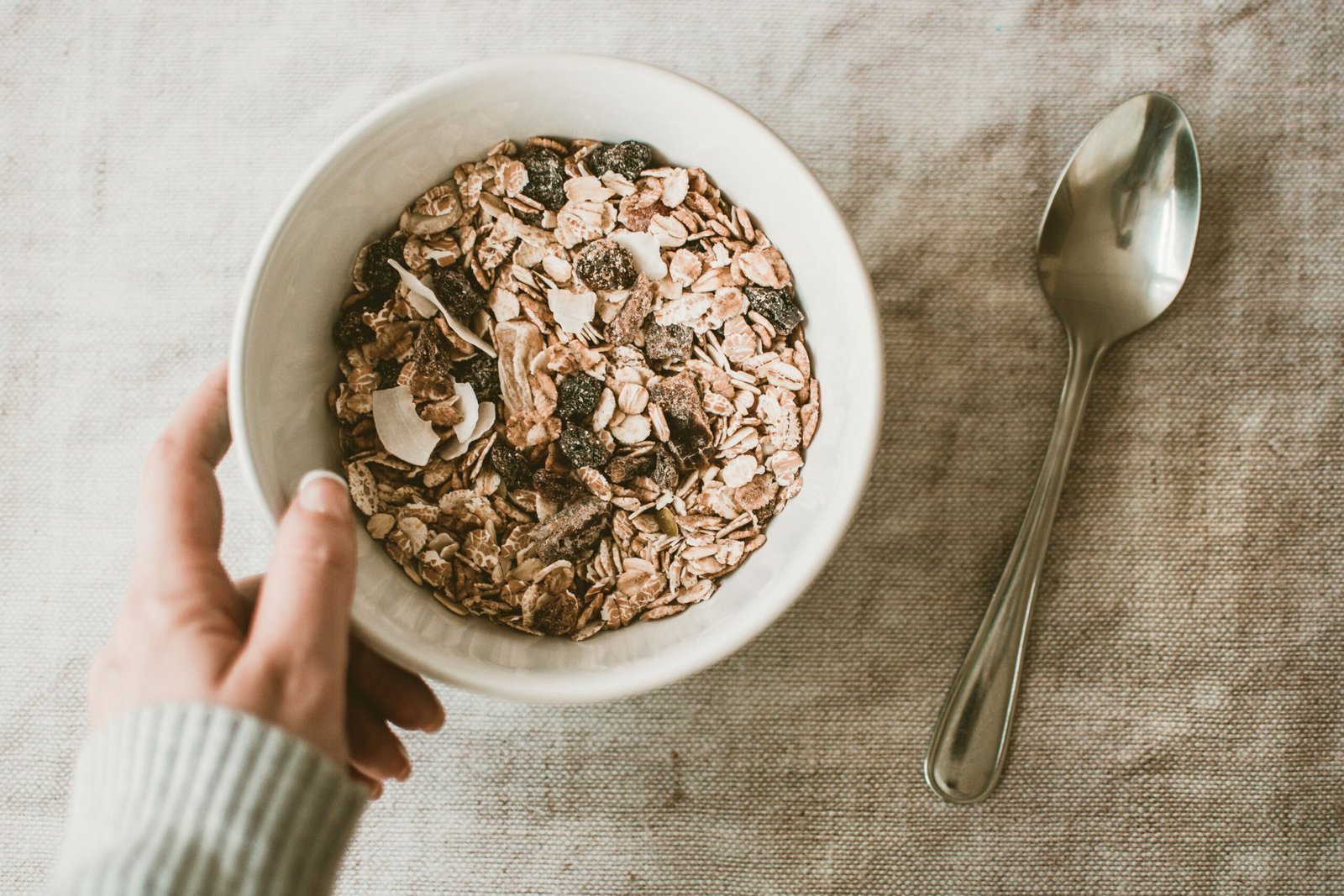
You decide to eat better. You swap your usual toast for bran cereal, add a big lentil salad at lunch, and snack on raw veggies. By evening, your stomach feels like an overinflated balloon, and you’re wondering whether fiber is secretly your enemy.
It isn’t. What you’ve experienced is one of the most common and least discussed hurdles in healthy eating: your gut wasn’t ready for the jump. The good news is that this is mostly a pacing, preparation, and food-choice problem, and it’s very solvable.
This guide explains why fiber causes gas in the first place, how to build your intake gradually, which fibers tend to be gentler, how to prepare beans so they sit better, and when persistent bloating means something other than fiber is going on.
The Short Answer
To increase fiber without bloating:
- Go slowly. Add a few grams at a time over several weeks instead of making one big change.
- Start with gentler fibers, such as oats, cooked vegetables, fruit, and psyllium, then add beans and cruciferous vegetables later.
- Prepare legumes well: soak, rinse, cook thoroughly, and start with small portions.
- Drink more water as fiber goes up.
- Spread fiber across meals, eat unhurriedly, and stay active.
- Watch the extras: sugar alcohols, fizzy drinks, and some “added fiber” products can cause gas on their own.
If bloating persists after several weeks or comes with warning signs, check in with a clinician instead of pushing through.
Why Fiber Causes Gas and Bloating
It helps to know what’s actually happening, because it explains why the fixes work.
Fiber is the part of plant foods your own digestive enzymes can’t break down. A good share of it travels intact to your large intestine, where trillions of bacteria live. Gas forms in the colon when those bacteria ferment carbohydrates, including fiber, some starches, and some sugars, that weren’t digested in the small intestine. The bacteria use some of that gas themselves, and the rest is released when you pass gas. Mayoclinic
So gas from fiber isn’t a malfunction. It’s a sign your gut bacteria are doing their job. It’s also part of the trade: the same fermentation that produces gas also produces short-chain fatty acids that nourish the cells lining your colon. Fiber is, as Mayo Clinic puts it, essential for keeping your digestive tract in good working order and regulating blood sugar and cholesterol levels, even though high-fiber foods increase gas production. Mayoclinic
It’s also worth knowing what counts as normal. Most people pass gas up to about 20 times a day, and gas is rarely a sign of a medical problem on its own. Bloating, the sensation of fullness and tightness, is related but not identical. It can come from gas, but also from how your gut senses and moves that gas, which is why two people can eat the same lentil soup and feel very differently afterward. Mayoclinic
Why a sudden increase hurts the most
If your usual diet is low in fiber, your gut bacteria are used to a lean supply. Suddenly doubling their food gives the fermenting species a feast, and gas output spikes before the bacterial population settles into a new balance. That adjustment isn’t instant, which is why the standard advice, repeated by almost every dietitian and gastroenterology resource, is to build up gradually. When you boost your fiber intake, you should do so gradually and drink plenty of water. diabetic gourmet
Most people find symptoms ease as their gut adapts over the following weeks, though the exact timeline varies and I haven’t found a trial that pins it down precisely. Sources commonly cite roughly two to six weeks.
Step 1: Build Up Slowly
There’s no single scientifically validated ramp-up schedule, but the practical consensus is consistent: small steps, held for a while, before the next one. Common suggestions range from adding a couple of grams every few days to adding around 3 to 5 grams per week until you reach your target.
First, find your starting point. The average American eats around 15 grams of fiber a day, while general targets for adults run about 25 to 38 grams depending on age and sex. If you’re at 12 and aiming for 28, that’s a gap of 16 grams. Spread over a month or so, that’s a manageable change, not a cliff.
Here’s one way to structure it, as a suggestion rather than a rule.
| Week | Focus | Example additions |
|---|---|---|
| 1 | Gentle swaps | Oatmeal for a refined cereal; add a piece of fruit and a spoonful of ground flaxseed. |
| 2 | Add cooked vegetables. | A side of cooked carrots or zucchini; an extra serving of vegetables at dinner |
| 3 | Introduce small legume portions. | A quarter cup of well-rinsed lentils or chickpeas in a soup or salad |
| 4 | Expand | Bigger legume portions; whole-grain bread or pasta; a few nuts or seeds |
| 5+ | Fine-tune | Add cruciferous vegetables and higher-fiber items as tolerated. |
If a step causes problems, don’t push on. Drop back to the previous week’s level for several days, then try again. Mayo Clinic’s advice for people struggling with gas is consistent with that approach: it notes that you may avoid high-fiber foods for a couple of weeks and gradually add them back, while talking to your doctor to keep your fiber intake healthy. Mayoclinic
Step 2: Choose Gentler Fibers First
Not all fibers ferment equally. Some sit comfortably for most people, and others are more likely to cause gas. Starting with the former while your gut adjusts can make the whole process smoother.
Often gentler:
- Oats and oatmeal. They contain soluble fiber, but most people tolerate them well. A third of a cup dry provides around 4 grams in one handy guide.
- Cooked vegetables. Cooking softens fiber and makes it easier on the gut than raw.
- Fruit with a gentle profile, such as bananas, berries, and oranges, in moderate portions.
- Ground flaxseed and chia, in small amounts. Start with a teaspoon or so.
- Air-popped popcorn, in modest portions.
- Psyllium husk, which behaves differently from many other soluble fibers. It’s gel-forming but non-fermenting, meaning gut bacteria don’t break it down as readily, so it tends to produce less gas than fermentable fibers. The same source cites a 2022 MRI study in Gut reporting five times less colonic gas with psyllium than with inulin. That’s one small study, so treat it as supportive rather than definitive. Substack
Often more gas-prone:
- Beans, lentils, and peas. Dried beans contain a sugar called raffinose that can arrive in the lower gut incompletely digested and ready to ferment. diabetic gourmet
- Cruciferous vegetables such as broccoli, cabbage, Brussels sprouts, and cauliflower. Mayo Clinic’s list of high-fiber foods that can cause gas also includes onions, artichokes, asparagus, pears, apples, peaches, prunes, whole wheat, and bran. altru
- Wheat bran, which delivers a lot of insoluble fiber very quickly.
- Products with added isolated fibers like inulin or chicory root. These are common in “high-fiber” bars and cereals and are rapidly fermented, which is why a bar can cause more trouble than a bowl of oatmeal with the same gram count. Check ingredient lists if you notice a pattern.
None of this means avoiding the second list forever. They’re nutritious foods. It means introducing them after your gut has had some practice and in modest portions at first.
Step 3: Prepare Beans and Lentils the Smart Way
Legumes are among the best fiber sources and among the most notorious for gas, so a few preparation habits are worth knowing.
- Soak dried beans for several hours or overnight, then discard the soaking water and cook in fresh water. The gas-producing sugars are water-soluble, so some leach into the soak. One review notes that some research suggests soaking beans for 12 hours can cut the gas-producing material they contain. medicine net
- Rinse canned beans well. It removes some of the sugars and sodium in the packing liquid.
- Cook thoroughly. Undercooked beans are harder to digest.
- Start small. A few tablespoons to a quarter cup is a reasonable starting portion, increasing as you tolerate it.
- Try lentils first. Many people find red and green lentils, and smaller legumes like mung beans, easier than large dried beans.
- Consider an enzyme. Alpha-galactosidase supplements (sold as Beano and similar products) are taken before eating and help break down carbohydrates in beans and other vegetables. Evidence is mixed across individuals, but they’re low-risk for most people. Simethicone, by contrast, has little clinical evidence of effectiveness for gas symptoms. altrualtru
Step 4: Drink Water and Move
Fiber works by absorbing water and adding bulk. If you raise your fiber without raising your fluids, you can end up with harder stools and more discomfort, not less. Without enough water, fiber can add to gas that’s trapped in the intestines and make bloating worse. Mayo Clinic’s advice is to drink water with meals, throughout the day, and with fiber supplements to help prevent constipation. everybody’s street
How much is enough varies by person, climate, and activity. A common rule is to have a glass of water with each high-fiber meal and to keep fluids steady through the day, rather than chasing a precise number.
Movement helps too. Staying physically active and drinking plenty of fluids helps gas move through the gut and shortens the time food spends traveling through the digestive tract, leaving less time for gas to form. A 10 to 15 minute walk after a larger meal is a simple, pleasant habit that many people find helpful. diabetic gourmet
Step 5: Spread It Out and Slow Down
Eating all your fiber in one sitting is a reliable way to feel stuffed. Spread it across the day: some at breakfast, some at lunch, some at dinner, and a bit in snacks. Smaller amounts at each meal give your gut time to process what arrives.
Eating speed matters too. Gulping food and drinks means swallowing extra air, which adds to gas and bloating independent of fiber. Chewing thoroughly, eating at a relaxed pace, and avoiding straws and gum can help.
Step 6: Watch the Hidden Culprits
Sometimes the fiber isn’t the whole story. A few other things commonly pile on:
- Sugar alcohols. Sugar substitutes such as sorbitol, mannitol, and xylitol, found in some sugar-free foods and drinks, may cause excess colon gas. Many “high-fiber, low-sugar” products contain them. mayoclinic
- Carbonated drinks, which introduce gas directly into your digestive tract. Mayo Clinic suggests that avoiding or reducing them may improve gas symptoms.
- Dairy, if you have some degree of lactose intolerance, which can look a lot like fiber trouble.
- Isolated fibers in processed foods, as mentioned above.
- Poorly fitting dentures, which can lead you to swallow extra air.
If you’re making several changes at once, it’s hard to tell which is responsible. A short food diary, covering what you ate, how much, and how you felt, can reveal patterns far better than memory. Mayo Clinic suggests keeping a journal of foods, drinks, and gas frequency before an appointment, which is useful even if you never see a doctor.
A Note on Fiber Supplements
Supplements can help close a gap, especially psyllium, which is often better tolerated than other options. If you use one:
- Start low and increase slowly, following the label. A common approach is half a teaspoon in a full glass of water once a day, then working up.
- Drink plenty of liquid with it. Psyllium absorbs a lot of water, and taking it without enough fluid can cause problems, including blockage in rare cases.
- Space it from medications and ask a pharmacist about timing, since fiber can interfere with how some drugs are absorbed.
- Don’t treat it as a substitute for food. Whole foods bring vitamins, minerals, and a wider range of fibers.
Mayo Clinic also notes that if you use a fiber supplement and have gas, you should talk to your doctor about the amount and type that’s best for you.
When Bloating Isn’t Just About Fiber
Most fiber-related bloating settles with time and tweaks. But sometimes persistent symptoms point to something else. Conditions such as irritable bowel syndrome, celiac disease, food intolerances, and small intestinal bacterial overgrowth can all increase gas and bloating, and in some of them, certain fibers make things worse. Mayo Clinic lists digestive disorders like IBS and celiac disease among the conditions that may cause increased gas or gas pain.
It’s worth speaking to a healthcare professional if:
- Your gas or gas pains won’t go away, or are severe enough to interfere with your daily life. mayoclinic
- You notice blood in your stool, a change in stool consistency that doesn’t settle, unexplained weight loss, or persistent diarrhea.
- You have severe abdominal pain, or chest pain with abdominal symptoms, which needs urgent attention.
- You have a diagnosed digestive condition, such as inflammatory bowel disease, a history of bowel obstruction, or gastroparesis, in which the right kind and amount of fiber may be different.
If you have irritable bowel syndrome specifically, a dietitian can help you find which fibers work for you, since the usual “eat more of everything” advice may not suit you. This article is general information, not medical advice.
Troubleshooting Cheat Sheet
“I added fiber and I’m bloated within a day.” Reduce back to your last comfortable level for a few days, then increase in smaller steps.
“Beans are the problem.” Use smaller portions, soak and rinse, try lentils, and consider an enzyme supplement.
“I’m constipated and bloated.” Check your fluids first. Consider psyllium taken with water, and don’t pile on dry bran without enough liquid.
“Raw vegetables are the trouble.” Cook them for now, and bring raw ones back gradually.
“Fiber bars make me gassy.” Look for inulin, chicory root, and sugar alcohols on the label, and swap to whole-food sources.
“It’s been four to six weeks and I still feel awful.” Talk to a clinician or dietitian. That’s longer than the typical adjustment period.
The Takeaway
Bloating from fiber is common, understandable, and usually temporary. It happens because your gut bacteria are suddenly fermenting more than they’re used to, and the fix is mostly patience: raise your intake gradually, begin with gentler fibers, prepare your beans well, keep fluids and movement up, and watch for sugar alcohols and isolated fibers in processed foods.
Don’t give up on fiber because the first week was rough. Its benefits for cholesterol, blood sugar, and regularity are well established, and most people find their gut adapts. If it doesn’t, or if warning signs appear, that’s information too, and a clinician or dietitian can help you sort out the cause.