
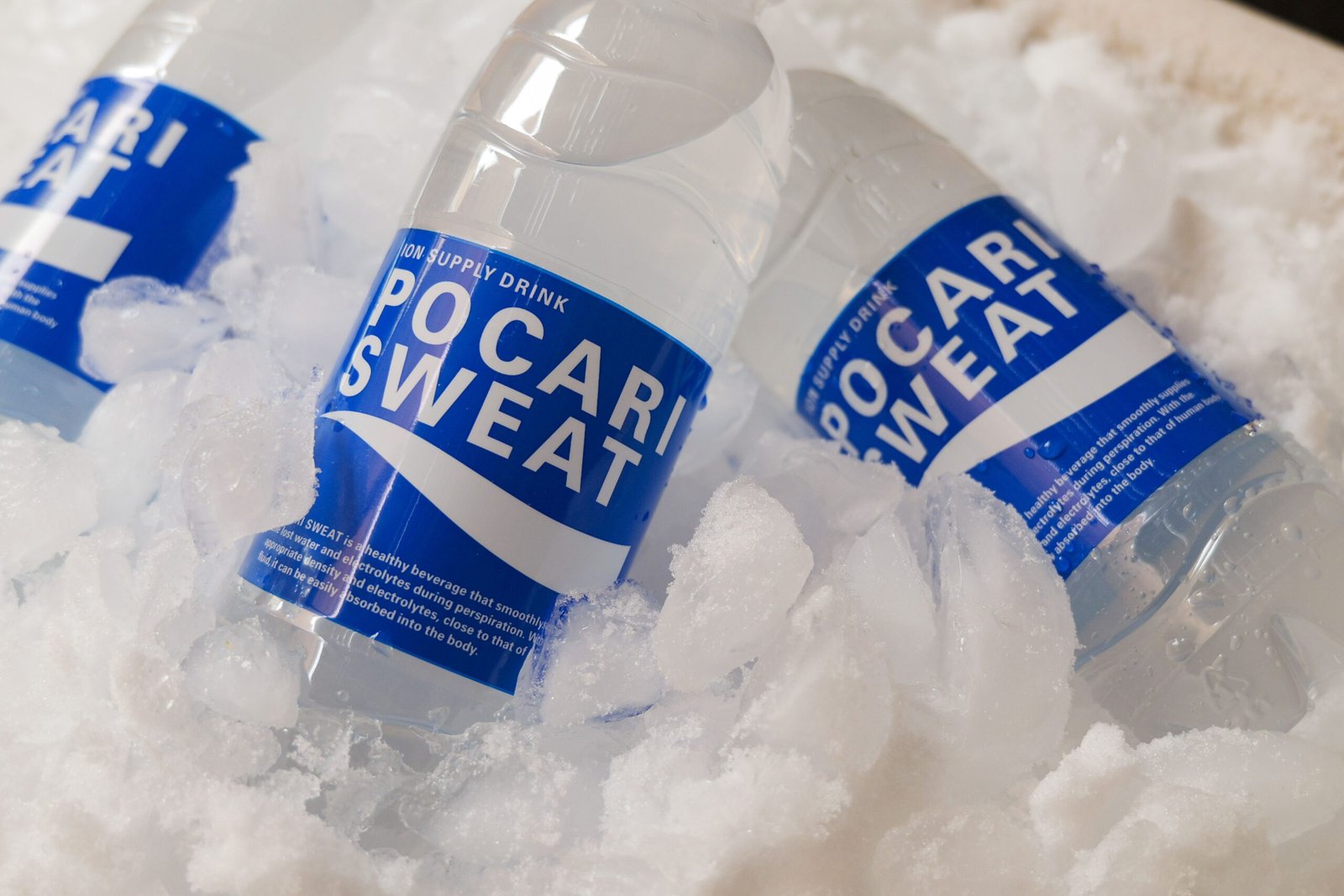
Walk down any supermarket aisle and you’ll find powders, tablets, fizzy waters, and ready-to-drink bottles promising “electrolytes” for hydration, energy, and recovery. The word has become shorthand for “good for you,” and the marketing leans on the fear that plain water isn’t enough.
Sometimes it isn’t. Often it is. The truth sits between those two statements, and understanding it can save you money, keep you away from too much salt, and, in some situations, help you feel better and stay safer.
This guide explains what electrolytes are, what sodium, potassium, and magnesium actually do, how much you need, where they come from in ordinary food, and the specific situations where an electrolyte drink earns its place. It also covers the people who should be careful, because “more electrolytes” isn’t harmless for everyone.
The Short Answer
Electrolytes are minerals that carry an electrical charge when dissolved in body fluids. The main ones are sodium, potassium, chloride, magnesium, calcium, phosphate, and bicarbonate, and together they keep nerves firing, muscles contracting, and water distributed between the inside and outside of your cells. acibademinternational
For most people on most days, food and ordinary drinks supply everything you need. Your kidneys do an excellent job of keeping electrolyte levels in balance through regular intake of food and water. Electrolyte products become useful mainly when you’re losing a lot of fluid: exercising for more than about 90 minutes (or intensely for more than an hour), sweating heavily or having salty sweat, training in hot, humid weather, or recovering from vomiting or diarrhea. telushealthtelushealth
Of the three, sodium is the one you lose in meaningful amounts through sweat. Potassium and magnesium matter for health, but they’re much more of a “daily diet” issue than a “mid-workout” issue.
What Electrolytes Actually Do
The word “electrolyte” is slightly misleading, because it sounds like a single substance. In reality, it’s a category, and each member has its own jobs.
At a basic level, electrolytes carry the tiny electrical charges that let your nerve cells send signals and your muscle cells contract, including your heart. They also help control how water moves in and out of cells. That’s why electrolyte problems can show up as muscle weakness, cramping, confusion, headaches, or an irregular heartbeat, though those symptoms can have many other causes.
The body keeps electrolyte concentrations in a surprisingly narrow range. Your kidneys retain or excrete each one hour by hour, and hormones fine-tune the process. This is why a healthy person who eats normally and drinks to thirst rarely needs to think about it.
Sodium: The Big One for Sweat, and Already Plentiful in Most Diets
What it does
Sodium is the main electrolyte outside your cells and plays the lead role in regulating fluid balance and blood volume. It’s also essential for nerve and muscle function.
How much do you need?
Intake guidance for sodium is a little unusual, because the concern is mostly about getting too much. The 2019 National Academies update set an Adequate Intake of 1,500 mg per day for adolescents and adults and, for the first time, established a Chronic Disease Risk Reduction level of 2,300 mg per day, based on reducing the risk of cardiovascular disease and high blood pressure. That means adults consuming more than 2,300 mg are advised to cut back. tuftstufts
Most people are above that line. Most U.S. adults already consume sodium above the recommended limit, and most of the sodium in the modern diet comes from commercially prepared foods and beverages rather than the salt shaker. A sandwich, a bowl of soup, or a salad with dressing often carries more sodium than an electrolyte sachet. the-hospitalistthe-hospitalist
Sodium in sweat
This is where sodium becomes relevant to hydration. Sweat contains sodium, and how much varies enormously from person to person. One sports dietitian puts the average at about 1 gram of sodium per liter of sweat, while another source cites a range of 200 mg to 2,000 mg per liter. If you’ve ever finished a workout with white salt streaks on your clothes, you’re probably on the saltier end. webflowrunningmagazine
During long or hot exercise, replacing some sodium helps you retain the fluid you drink instead of simply urinating it out, which is why sodium is the ingredient that matters most in a sports drink.
Where it comes from
Table salt is about 40% sodium by weight, but most dietary sodium comes from bread, cured meats, cheese, canned soups, sauces, restaurant meals, and snack foods. Home-cooked food with little added salt usually has far less.
Potassium: Under-Consumed and Mostly Food-Based
What it does
Potassium is the main electrolyte inside your cells. It works in opposition to sodium to maintain fluid balance, supports normal muscle contraction (including the heart), and is linked to healthier blood pressure.
How much do you need?
The Adequate Intake is 3,400 mg per day for adult men and 2,600 mg for adult women, with slightly higher amounts during pregnancy and breastfeeding. The 2019 update lowered these figures from the previous 4,700 mg target, but most people still fall short. According to NIH, the diets of many people in the United States provide less than recommended amounts of potassium, and even with food and supplements combined, total intakes for most people are below recommended levels. nihni
Where it comes from
Potassium is a food nutrient. Good sources include potatoes (with skin), beans and lentils, tomatoes and tomato sauce, avocados, oranges and orange juice, yogurt and milk, leafy greens, and dried fruit. Bananas are the famous example, but they’re middle-of-the-pack. A banana provides about 420 mg, which is useful, though many other foods deliver more per serving. biology insights
Potassium in sweat and why supplements are limited
You lose some potassium in sweat, but not much. Studies show potassium losses in sweat are usually no more than about 200 mg per liter, which isn’t enough to hurt performance in most cases. This is why potassium is more of a daily-diet concern than an exercise-drink concern. Over-the-counter potassium supplements are also deliberately small, typically around 99 mg per pill, because concentrated potassium can be risky in the wrong person. running magazine biology insights
Who needs to be careful?
This is where electrolyte enthusiasm can backfire. People with chronic kidney disease, and those who use certain medications such as ACE inhibitors and potassium-sparing diuretics, can develop abnormally high blood potassium (hyperkalemia), even when eating typical amounts of potassium from food. The NIH consumer sheet also warns that potassium is an ingredient in many salt substitutes, and if you have kidney disease or take certain medications, those products could push your levels too high. If that sounds like you, talk to your clinician before using potassium-containing salt substitutes, electrolyte products, or supplements. Severe hyperkalemia can be silent at first, which makes it especially deceptive. nihpa
Magnesium: A Background Mineral
What it does
Magnesium supports muscle and nerve function, energy production, and bone health. It’s involved in hundreds of enzyme reactions, and it works alongside calcium, sodium, and potassium.
How much do you need?
Adults need roughly 310 to 420 mg per day depending on age and sex, and the NIH upper limit for magnesium from supplements and medications is 350 mg per day. That limit doesn’t apply to magnesium naturally present in food. Good sources include pumpkin seeds, chia seeds, almonds, cooked spinach, beans, whole grains, and dark chocolate. (For a full food list, see our magnesium-rich foods guide.)
Magnesium in sweat
Magnesium losses through sweat are small. Most people lose no more than about 12 mg per liter of sweat. That’s one reason many sports nutrition sources describe magnesium and potassium in drinks as nice to have but unlikely to deliver the performance benefits people hope for. Magnesium in an electrolyte powder, particularly at low doses, is more of a marketing line than a hydration necessity. Where magnesium does matter is in your overall diet, and supplements beyond the label limits can cause diarrhea and, in people with kidney problems, more serious issues. running magazine
The Three at a Glance
| Sodium | Potassium | Magnesium | |
|---|---|---|---|
| Main role | Fluid balance, blood volume, nerves | Cell function, muscles, blood pressure | Muscles, nerves, energy, bones |
| Daily target | AI 1,500 mg; most adults are advised to stay under 2,300 mg. | AI 2,600 mg (women), 3,400 mg (men) | RDA: about 310–420 mg |
| Typical diet | Usually too much | Often too little | Often borderline |
| Lost in sweat | Significant, varies widely | Small (up to ~200 mg/L) | Very small (~12 mg/L) |
| Main sources | Processed and restaurant foods, salt | Potatoes, beans, fruit, dairy | Seeds, nuts, greens, whole grains |
| Main caution | Excess raises blood pressure risk. | Kidney disease, ACE inhibitors, salt substitutes | Supplements above 350 mg can cause diarrhea; kidney disease |
Everyday Hydration: What Most People Actually Need
On a normal day, the plan is simple: drink when you’re thirsty, eat regular meals, and let your kidneys do their job. Coffee, tea, milk, soup, and water-rich fruits and vegetables all count toward your fluids. Urine color is a rough, imperfect guide: pale yellow generally suggests you’re doing fine.
For a typical moderate workout lasting under an hour in a comfortable environment, water is enough. A moderate workout under an hour in a temperate gym rarely drains enough sodium to matter, and your next meal covers it. acibademinternational
It’s also worth being skeptical about the more dramatic claims. Tiredness in the middle of an afternoon is more often tied to sleep, food, or movement than to a mineral shortfall. And the idea that electrolyte drinks prevent exercise cramps better than water hasn’t been well supported: one review of the evidence notes that trials have not shown electrolyte drinks to prevent cramps better than water and that fatigue and intensity predict cramping more than mineral levels do. Treat that as a summary of an evolving area rather than a final verdict, but it’s a good reason not to assume every cramp means “low electrolytes.” acibademinternational
When Electrolyte Drinks Genuinely Help
There are real situations where plain water isn’t the best choice.
Long or intense exercise. Once you’re sweating hard for more than about an hour, especially in heat or humidity, a drink containing sodium (and, for longer efforts, carbohydrates) can help. Sports dietitians commonly cite roughly an hour as the point where water alone stops being ideal. Heavy sweaters and “salty sweaters” benefit most.
Hot environments. Working outdoors or exercising in heat increases sweat losses. Humidity makes it worse, since sweat evaporates less efficiently and you sweat more to compensate.
Vomiting or diarrhea. Illness can cause large fluid and electrolyte losses, and oral rehydration solutions, which pair sodium with a small amount of sugar to aid absorption, are designed for exactly this. Pharmacy products are formulated to do this reliably, so they’re better than improvising with a sports drink, which is often more sugary and less salty than ideal.
Very low-carbohydrate or low-sodium eating combined with heavy sweating. This is a niche situation, but if you notice persistent lightheadedness, talk to a clinician or dietitian.
For many of these, you can do a lot with ordinary foods: salty snacks and a banana or yogurt after a long run, or soup after a stomach bug, as tolerated.
When You Can Overdo It
More isn’t always better, and electrolytes illustrate that well.
Too much sodium
Some electrolyte products pack a lot of sodium. Some best-selling electrolyte drinks approach 2,000 mg of sodium per serving, while the American Heart Association recommends 2,300 mg or less for a whole day. By contrast, sports drinks typically contain between 35 and 200 mg of sodium per eight ounces, and commercial coconut water usually has 500 to 600 mg of potassium and only about 60 mg of sodium per eight ounces. If you’re sitting at a desk and drinking a high-sodium electrolyte mix on top of a typical diet, you’re adding blood-pressure risk without a hydration benefit. orlandohealthosu
If you have high blood pressure, heart failure, or kidney disease, check with your clinician before using these products regularly.
Too much plain water
Surprisingly, the more common danger during long exercise isn’t dehydration, but drinking too much. Exercise-associated hyponatremia is a condition in which blood sodium falls too low, usually because of overdrinking. The Wilderness Medical Society’s guidelines, summarized in American Family Physician, state that no specific fluid volume has been shown to prevent hyponatremia, so the best recommendation is to limit drinking to what thirst dictates. aafp
Mild symptoms, which overlap with heat illness, include weakness, malaise, fatigue, irritability, headache, bloating, dizziness, and nausea and vomiting, while severe cases can involve confusion and collapse. Risk factors include overdrinking water, sports drinks, and other low-sodium beverages, weight gain during exercise, and long event duration. Note that sports drinks aren’t a guaranteed protection if you drink far more than you need. The takeaway is balance: drink to thirst, don’t force fluids, and consider sodium on long, hot efforts. aafpimiscloud
Too much potassium or magnesium
As covered above, high-dose supplements, potassium-containing salt substitutes, and certain medications can push potassium too high, and large magnesium supplement doses can cause diarrhea or, with kidney problems, buildup. Food is a very safe route for both in healthy people. The risk lies in concentrated products.
How to Read an Electrolyte Label
If you decide a product suits your situation, a few quick checks help:
- Look at the sodium. For exercise, this is the number that matters. Some products are very low, and others are very high.
- Check the sugar. Carbohydrate helps fuel long workouts and aids sodium absorption, but it’s unnecessary, and sometimes unhelpful, for a sedentary day.
- Don’t be dazzled by magnesium and potassium. Small amounts are fine but won’t do much for sweat replacement.
- Watch for caffeine and sweeteners. Some products add them, and sugar alcohols can cause digestive upset.
- Add it up. If you use salt substitutes, multiple supplements, or fortified foods, tally the total.
A Few Everyday Scenarios
A regular desk day. Water, tea, coffee, and meals. No electrolyte product needed. If you’re already eating processed or restaurant food, you probably get plenty of sodium.
A 45-minute gym session. Water, then a normal meal.
A two-hour hot weekend run or ride. A drink with sodium and carbohydrate during, plus salty food and fluids afterward. Drink to thirst, don’t force it.
A stomach bug with vomiting or diarrhea. Sip small amounts often, ideally an oral rehydration solution, and seek medical advice if you can’t keep fluids down, notice signs of significant dehydration, or the illness is in a young child or older adult.
A person on blood pressure medication or with kidney disease. Check before adding potassium-containing salt substitutes, electrolyte powders, or high-dose supplements.
When to Get Medical Help
Mild dehydration usually improves with fluids and rest. But some symptoms call for prompt medical attention, including confusion or disorientation, severe or persistent vomiting, fainting, a fast or irregular heartbeat, seizures, severe muscle weakness, or symptoms that develop after prolonged exercise in heat. If you take medications that affect fluid and electrolyte balance, or have kidney, heart, or adrenal conditions, individual guidance matters more than general rules. A simple blood test can measure sodium, potassium, magnesium, and other electrolytes if there’s a real question. This article is general information, not medical advice.
The Takeaway
Electrolytes are essential, but for most people they’re an everyday-diet topic rather than a product-aisle one. Your food and normal drinking cover your needs, with sodium usually in surplus, potassium often in deficit, and magnesium somewhere in between. Electrolyte drinks earn their place when you’re losing a lot of fluid, through long or hot exercise, heavy sweating, or a stomach illness, and in those cases sodium is the electrolyte that matters most.
The sensible approach is practical: drink to thirst, eat a varied diet rich in potassium and magnesium foods, be wary of high-sodium products on ordinary days, and be extra careful if you have kidney disease or take medications that affect potassium. If you’re unsure, a clinician or registered dietitian can tell you what’s right for your body.