
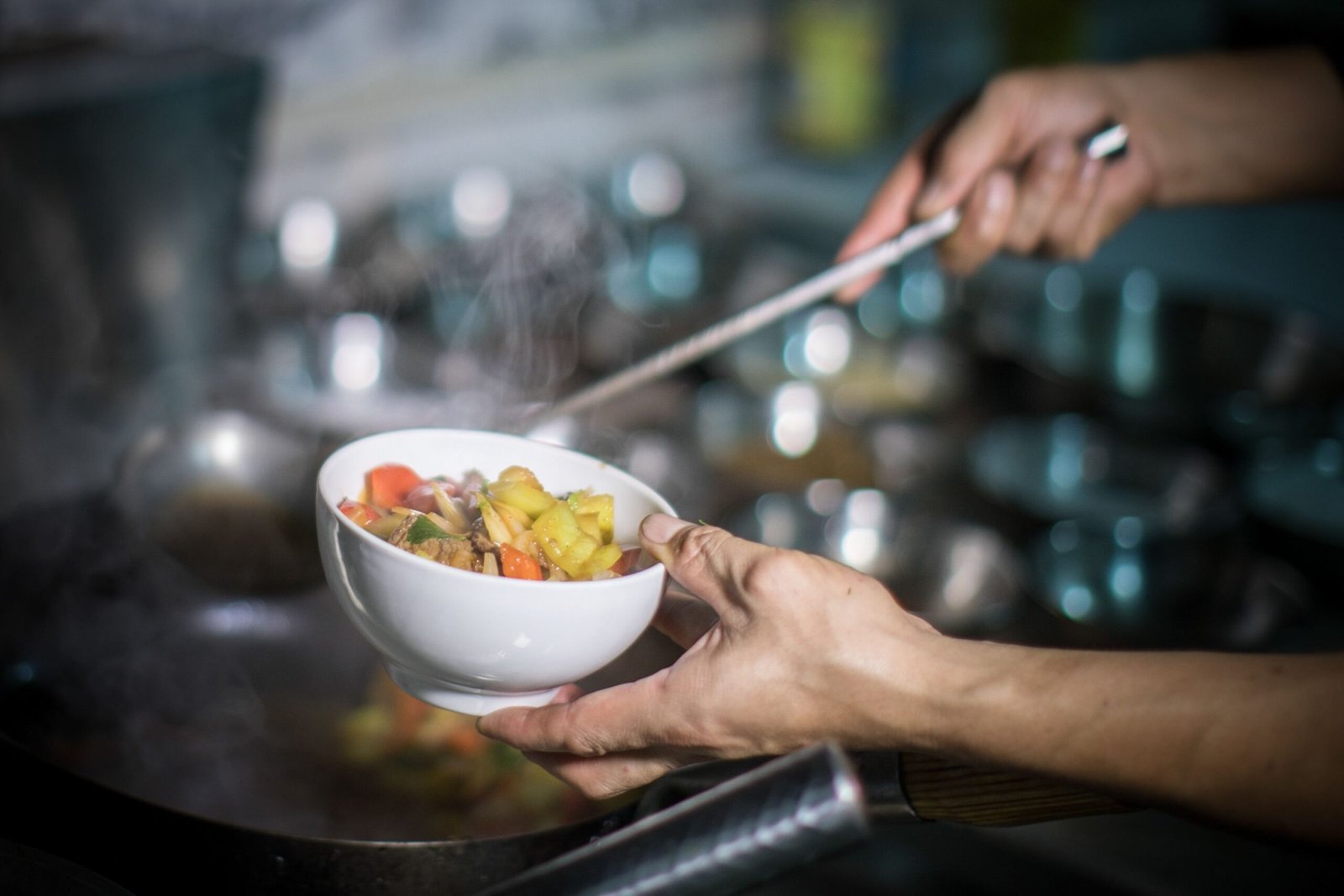
If you’ve ever pushed a pile of gray-green mush around your plate, you already know the problem. Vegetables are good for you, everyone says so, and yet a lot of us only eat them out of duty. The usual explanation is that vegetables just aren’t that exciting. That’s rarely true. More often, the vegetables were cooked in a way that made them bland, soggy, or sulfurous.
The good news is that the fix is mostly technique, not talent. A handful of principles, applied consistently, can turn the same broccoli you’ve been dreading into something you’ll eat straight off the pan. This guide covers those principles, how to match a method to each vegetable, how to deal with bitterness, and what the evidence says about nutrition so you don’t have to trade flavor for health. Along the way, you’ll find a simple template you can use for almost any vegetable.
The Short Answer
Vegetables taste good when you do five things:
- Use enough heat. High-heat roasting, sautéing, and charring brown the surface and create sweet, nutty flavors that gentle cooking can’t.
- Give them space and keep them dry. Crowded or wet vegetables steam instead of browning.
- Season properly. Salt and time it sensibly.
- Use some fat. A modest amount carries flavor and helps browning, and it helps your body absorb some nutrients.
- Finish with acid and a little extra. A squeeze of lemon, a splash of vinegar, herbs, crunch, or something savory wakes everything up.
Do those, and avoid overcooking, and most vegetables improve dramatically.
Why Vegetables Taste Bad in the First Place
Before the fixes, it helps to know the usual culprits.
They were boiled or steamed and left plain. Boiling and steaming are gentle, wet methods. They cook vegetables but don’t develop much flavor, and water can wash out both flavor and some nutrients.
They were cooked at too low a temperature. Browning, the reaction responsible for much of the savory, toasty flavor in cooked food, needs real heat. As one explanation of roasting puts it, the Maillard reaction occurs when food is heated to 300 degrees Fahrenheit or higher, and it’s what gives roasted dishes their pleasant smell and taste. Low, slow, or covered cooking misses that. chowhound
They were crowded or wet. Pile vegetables on a pan, and they release steam that has nowhere to go. Vegetables need room for heat to circulate so they can brown properly, and that browning is where much of their flavor comes from. spatuladesserts
They were overcooked. Mushy texture and strong, cabbagey smells are the signature of overcooking, especially in cruciferous vegetables.
They had no seasoning, fat, or finish. Vegetables are often treated as an afterthought. Without salt, a bit of fat, and a bright finishing note, even well-cooked vegetables can taste flat.
All five are fixable.
Principle 1: Use High Heat
If you take only one idea from this guide, make it this: most vegetables taste better cooked hotter and faster than you’d expect.
For roasting, a hot oven is the single biggest upgrade. Recommendations commonly land at 425 to 450°F, roughly 220 to 230°C. At that temperature, the outside browns and the sugars concentrate before the inside turns to mush. One guide recommends the highest heat for vegetables like Brussels sprouts, asparagus, broccoli, and cauliflower, and slightly lower for denser roots and squash, with ranges of 425 to 500°F for crispy, caramelized edges on cruciferous vegetables and 400 to 425°F for root vegetables, squash, and potatoes. chowhound’s safe way
A few details make a difference:
- Preheat the pan, not just the oven. A hot sheet pan sears the underside the moment vegetables land, helping browning from the start. If you don’t hear a sizzle when they hit, the pan wasn’t hot enough.
- Use a rimmed metal sheet pan. Glass baking dishes conduct heat less well, and high sides can trap steam. chowhound
- Don’t cover the pan. Covering traps steam and gives you soft, soggy results.
The same logic applies on the stove. Sautéing and stir-frying in a hot pan with a little oil gives you browning and fast cooking. Medium or low heat tends to produce what one cooking site calls underwhelming results, with vegetables that soften without developing much flavor.
Principle 2: Cut, Dry, and Space Them Out
Cut uniformly. Pieces of similar size cook at the same rate, so you don’t end up with burnt bits next to raw ones. Aim for pieces large enough to brown without drying out, roughly bite-sized or a little bigger.
Dry them. After washing, pat or spin vegetables dry. Water on the surface turns to steam and delays browning. As one cooking guide puts it, drying vegetables after rinsing helps them brown better and stick less to the pan. pccmarkets
Give them room. This one catches almost everyone. If the vegetables touch and overlap, they’ll steam in each other’s moisture. Use a bigger pan, two pans, or cook in batches. It’s one of the most reliable improvements you can make. Cut-side down helps too, since that flat surface browns beautifully against a hot pan.
Principle 3: Season Smartly
Salt doesn’t just make vegetables salty. It makes them taste more like themselves. One cooking resource points out that salt enhances vegetables’ natural flavor, and when it’s skipped or added only at the end, they can taste flat no matter how well they’re cooked. spatuladesserts
Timing matters for watery vegetables. Salting high-moisture items like zucchini and mushrooms well ahead of cooking can draw water to the surface through osmosis, and that wet film leads to steaming rather than roasting. For those, salt just before cooking or in the pan once they’ve started to brown. For sturdier vegetables like roots, broccoli, and cauliflower, salting at the start is fine. puri
If you’re watching your sodium, you don’t need to rely on salt alone. Acid, spices, herbs, garlic, and browning all build flavor with far less. The rest of this guide gives you many ways to do that.
Principle 4: Use Some Fat
A modest coating of oil helps in three ways: it conducts heat for better browning, it carries flavor, and it helps your body absorb fat-soluble nutrients. You don’t need much. A light, even coating is enough, and without enough oil, vegetables don’t brown properly, can stick, and end up dry instead of crisp. spatuladesserts
A rough guide is about a tablespoon of oil per pound of vegetables for roasting, and up to a bit more for dense roots. Toss in a bowl instead of drizzling on the pan so every piece gets coated. Choose an oil that handles the heat: avocado oil or refined olive oil are good for high-temperature roasting, while extra-virgin olive oil is wonderful for lower-heat cooking and for finishing.
Fat doesn’t have to be oil. Butter, ghee, bacon drippings, sesame oil, and a spoonful of tahini sauce all add richness.
Principle 5: Finish with Acid and a Final Touch
This is the step most home cooks skip, and it’s often the difference between “fine” and “wow.” A squeeze of lemon, a splash of vinegar, or a spoonful of something tangy brightens flavors and balances sweetness and bitterness. One roasting guide advises that a splash of vinegar or lemon juice after roasting brightens flavors and balances caramelized sweetness. Another puts the two-step approach neatly: season before roasting for depth, and add fresh herbs and acid after roasting for brightness. safewaysafeway
Think of a finishing toolkit:
- Acid: lemon or lime juice, rice vinegar, balsamic, sherry vinegar, pickled onions
- Fresh herbs: parsley, cilantro, dill, mint, basil
- Crunch: toasted nuts or seeds, breadcrumbs, crispy shallots
- Umami: grated parmesan, a drizzle of soy sauce or miso butter, anchovy, fish sauce, nutritional yeast
- Heat: chili flakes, hot sauce, black pepper
- Creaminess: yogurt, tahini, a poached egg, a drizzle of good olive oil
- A little sweetness: honey, maple, or balsamic glaze, used sparingly on bitter vegetables
You rarely need all of these. One or two is enough.
Choosing a Method
Different methods suit different vegetables and moods.
Roasting is the most forgiving way to make vegetables taste good. High dry heat browns and sweetens. It works for nearly everything: broccoli, cauliflower, Brussels sprouts, carrots, squash, asparagus, green beans, mushrooms, onions, and sweet potatoes.
Sautéing and stir-frying are fast and great for greens, sliced vegetables, and anything you want to cook in minutes. Keep the pan hot, don’t overcrowd, and keep things moving.
Blanching and shocking works well for green vegetables when you want bright color and a crisp-tender bite. Boil in generously salted water for a short time (green beans take a few minutes), then move them to ice water to stop the cooking. You can finish them in a hot pan with butter or oil, or serve them in salads.
Steaming and microwaving are gentle and efficient and good for retaining certain nutrients (more on that below), but they don’t develop browned flavor, so they need help. Season well, add fat, and finish with acid, herbs, or a sauce.
Grilling and charring add smoky flavor to vegetables like corn, zucchini, peppers, eggplant, and asparagus. Aim for char marks and a little blackening in spots, not carbonized pieces.
Braising suits tougher vegetables and greens, like collards, cabbage, fennel, and leeks. Slow cooking in a flavorful liquid makes them silky and savory, as long as the liquid is seasoned.
Raw with salt and acid is also a legitimate cooking-adjacent technique. Shaved Brussels sprouts, thin zucchini ribbons, and cucumber salads need little more than salt, acid, and oil.
A Vegetable-by-Vegetable Cheat Sheet
These are starting points for a hot oven around 425°F unless noted. Times are approximate and depend on size and your oven, so look for browned edges and a tender center.
| Vegetable | Best methods | Tips |
|---|---|---|
| Broccoli | Roast, sauté | Cut florets with flat sides; roast until edges char; lemon and garlic at the end |
| Cauliflower | Roast, sear steaks | Dry well; roast until deeply golden; pairs with curry spices, tahini, or parmesan |
| Brussels sprouts | Roast, pan-sear | Halve, cut-side down; use small to medium sprouts; high heat |
| Green beans | Blanch then sauté, roast | Don’t overcook; finish with acid and nuts |
| Carrots | Roast, glaze | Roast whole or halved; sweet-savory glazes work; add a little acid |
| Asparagus | Roast, grill, sear | Quick: don’t overcook; lemon and parmesan |
| Zucchini and summer squash | Sear, grill, roast | High moisture: use high heat, don’t crowd, salt just before or after |
| Eggplant | Roast, grill | Needs plenty of oil and heat to avoid spongy, bitter results |
| Leafy greens | Sauté, braise | Wilt in a hot pan with garlic and oil; finish with acid |
| Mushrooms | Sear, roast | Don’t wash soaking wet; don’t crowd; salt late |
| Cabbage | Roast wedges, sauté, braise | Browning transforms it; avoid long boiling |
| Squash and sweet potatoes | Roast | Leave some surface area for browning; add warm spices |
Tackling Bitterness and the “Cabbage Smell”
Cruciferous vegetables, including broccoli, Brussels sprouts, cabbage, cauliflower, and kale, are the most commonly disliked, and there’s a chemical reason. Like other cruciferous vegetables, Brussels sprouts contain sulfur-containing compounds that are harmless but can taste harsh or bitter depending on how they’re prepared. The compounds in question are glucosinolates. aol
How you cook them changes the outcome. According to one cooking guide, undercooked Brussels sprouts taste sharp and pungent, while overcooked ones produce a cabbage-like smell and flavor. The fix isn’t boiling them longer. It’s high heat and browning: roasting at 400 to 450°F lets them brown deeply before the interiors turn mushy, and that caramelization balances bitterness and brings out natural sweetness. aolaol
A few more tips:
- Choose smaller sprouts. In test-kitchen experiments, larger sprouts didn’t taste as good as small or medium ones, because they contain a higher concentration of the compounds that lead to bitterness. 177milkstreet
- Don’t overcook. That mushy, sulfurous result is the most common reason people say they hate these vegetables.
- Balance with fat, salt, acid, and a touch of sweetness. A drizzle of honey, a splash of balsamic, or a little bacon or parmesan can tame bitterness.
- Cook them hot, and don’t crowd the pan.
What About Nutrition? You Don’t Have to Choose
It’s reasonable to wonder whether roasting at high heat or adding oil undoes the health benefits. The short answer is no, though there are trade-offs worth knowing.
Water-soluble vitamins, like vitamin C and some B vitamins, are most vulnerable to cooking. Boiling tends to cause the biggest losses because the nutrients leach into water that gets poured away. A review noted that vitamin C loss during home cooking typically ranges from 15 to 55 percent depending on the method, and in one broccoli study, steaming and boiling caused a 22 to 34 percent loss of vitamin C, while microwaved and pressure-cooked broccoli retained about 90 percent. Low-water, short-time methods generally keep more. afcurgentcareafcurgentcare
But cooking also improves access to some nutrients. Cooking breaks down the thick cell walls of many plants, releasing nutrients stored inside, which is why cooked tomatoes provide more usable lycopene and cooked carrots more absorbable beta-carotene. And fat helps with that: a little cooking oil helps fat-soluble vitamins absorb, as a dietitian quoted in one article put it. afcurgentcarenewstribune
The honest conclusion from the nutrition research is that no single cooking method is best, and that includes eating vegetables raw, since each trade-off depends on the nutrient. A practical approach: afcurgentcare
- Mix it up. Eat some raw, some steamed or microwaved, and some roasted or sautéed.
- Don’t boil and discard the water. If you boil, use the cooking liquid in soups or sauces.
- Prioritize eating more vegetables over eating them “perfectly.” The best cooking method is the one that gets you to eat a lot of vegetables. Frozen vegetables count too, and are often a convenient, nutritious option.
A Template for Almost Any Vegetable
Here’s a simple, flexible formula for roasted vegetables:
- Heat the oven to 425°F (about 220°C) with a rimmed sheet pan inside.
- Cut vegetables into even pieces. Wash and dry them well.
- Toss with about a tablespoon of oil per pound, plus salt and pepper, in a bowl.
- Carefully add them to the hot pan in a single layer with space between pieces, cut-side down where possible.
- Roast without covering, stirring or flipping once, until browned at the edges and tender in the center. Timing varies from about 10 to 15 minutes for asparagus to 25 to 35 for dense roots.
- Taste. Finish with acid (lemon, vinegar), something fresh (herbs), and something extra (nuts, cheese, a drizzle of sauce).
Once you’ve done this a few times, you’ll adjust by feel.
Quick Troubleshooting
“My roasted vegetables are soggy.” The pan was crowded, the vegetables were wet, the oven wasn’t hot enough, or they were covered. Use more space, dry them, and raise the heat.
“They’re burnt outside and raw inside.” The pieces were too large or the heat too high for the vegetable. Cut smaller, lower the temperature slightly, or par-cook dense vegetables first.
“They taste bland.” Add salt earlier, use a little more oil, and finish with acid and something fresh or savory.
“They taste bitter.” Cook at higher heat for more browning, use smaller pieces, don’t overcook, and balance with fat, salt, acid, and a touch of sweetness.
“They taste sulfurous.” You may have overcooked them or boiled them too long. Try roasting or pan-searing quickly instead.
The Takeaway
Vegetables that taste good are rarely an accident. They come from hot, dry, uncrowded cooking, a sensible amount of salt and fat, and a bright, interesting finish. Do those, avoid overcooking, and even vegetables you’ve written off for years can turn into something you look forward to.
You don’t need special equipment or ingredients, just a hot pan, a lemon, and a little attention. And on the nutrition side, the research is reassuring: vary your methods, don’t boil and discard the water, and don’t worry about doing it perfectly. The healthiest vegetable is the one you’ll actually eat. This article is general information, not medical advice.