
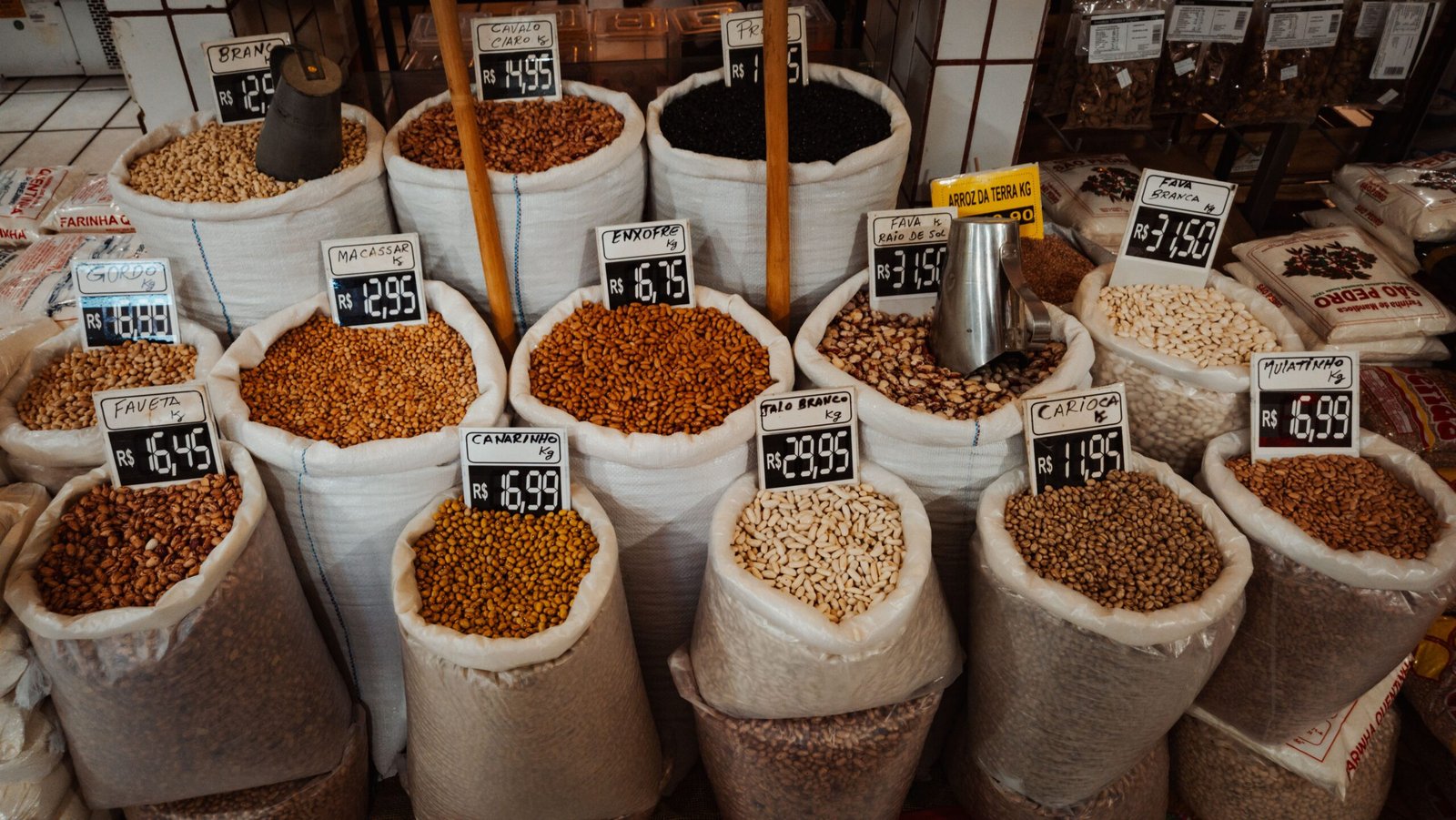
To cook dried beans, sort and rinse them, soak them if you like, then simmer them gently in salted water until the centers turn creamy. That usually takes somewhere between 45 minutes and two hours, depending on the bean and how old it is. Lentils are easier. They need no soaking, and most varieties are tender in 15 to 30 minutes.
One safety rule matters before you start. Raw red kidney beans contain a toxin that only a proper boil removes, so they get special handling (see the safety section below).
Everything else is a set of choices: whether to soak, when to salt, which pot to use, and what to do when a batch refuses to soften. This guide covers each one so you can adjust as you cook instead of following a recipe blindly.
Why cook from dried at all?
The usual reasons are cost and control. A 450 g bag of dried beans yields roughly five or six cups of cooked beans, while a 425 g can yields about a cup and a half. You also decide how much salt goes in, and the texture tends to be more uniform than in many canned beans, some of which turn mushy in the can. Cooked beans freeze well, so one large batch can cover several meals. gulfnewsgulfnews
The trade-off is planning. Beans need time, or a pressure cooker. Canned beans remain a perfectly good shortcut on a busy night.
Beans and lentils: same family, different rules
Both are legumes, but they behave differently in the pot. Lentils are small and thin-skinned, so they cook quickly and skip the soak. Beans are larger and denser, with tougher seed coats, so they need longer heat and respond more to how you prepare them. The sections below cover beans first, then lentils.
Step 1: Sort, rinse, and think about age
Spread the beans on a plate or tray and pick out small stones, shriveled beans, and debris. Rinse them in a colander. Stones are rare, but one is enough to crack a tooth.
Age matters more than most recipes admit. Dried beans keep for a long time, but the older the bean, the longer it takes to cook. One cooking brand notes that beans that have sat in the pantry for more than a year will probably come out tough whether you soak them or not. If you can’t tell how old a bag is, buy from a store with fast turnover and plan for a longer cook. gulfnewscamelliabrand
Step 2: Decide whether to soak
Soaking is optional, and cooks disagree about it.
The case for soaking: it shortens cooking. One food writer puts the saving at about 30 minutes. It also gives you a chance to season the beans before they hit the heat. gazette
The case against: Harold McGee, in On Food and Cooking, notes that soaking leaches vitamins, minerals, and antioxidants into the water. Some cooks also find unsoaked beans more flavorful. Either way, a long, low simmer will soften any kind of bean given enough time. camelliabrandcamelliabrand
That leaves three practical options:
- Overnight soak (best control). Cover the beans with plenty of water and leave them for 8 to 12 hours.
- Quick soak. Boil the beans for a couple of minutes, take the pot off the heat, cover it, and leave it for about an hour. This is the usual shortcut when you forgot to plan ahead.
- No soak. Go straight to cooking and allow extra time, or use a pressure cooker (below).
Salt the soaking water
The old rule says salt toughens beans, so you shouldn’t add it until the end. Testing has largely overturned it. Serious Eats, as summarized by Tasting Table, found that beans soaked and cooked in salted water turned out more tender and were less prone to bursting. The explanation offered is that salted water penetrates the cells, especially the tough skins, so skins and interiors soften at a similar rate. America’s Test Kitchen soaks beans in salt water for the same reason: it softens the skins, so they cook more evenly and fewer beans rupture. The Bean Cooking Myth You Need To Stop Believing +2
The amounts are easy to scale. Serious Eats suggests about a tablespoon of salt per liter of water. America’s Test Kitchen’s formula uses 3 tablespoons of salt in a gallon of water per pound of beans, though 2 quarts of water with 1½ tablespoons works as well if the beans stay submerged in a deep container. tastingtablecooksillustrated
After soaking, drain the beans, rinse them, and cook in fresh water.
Step 3: Simmer gently
Put the drained beans in a heavy pot and cover them with water by about two inches. Add a few aromatics if you like. One standard master recipe uses onion, carrot, celery, garlic, and thyme. A bay leaf works too. gazette
Bring the pot to a boil, then drop the heat so the water barely bubbles. A rolling boil batters the beans and splits skins. Partly cover the pot, stir now and then, and add hot water if the level falls below the beans.
Salt. In a simple pot of beans, salting at the start of cooking gives a flavorful result without adding time. If you’re cooking with salty meat such as ham or bacon, hold off and season at the end. camelliabrand
Acid. Tomatoes, citrus, vinegar, and wine slow softening. Add them only when the beans are nearly done. gulfnews
Timing. Exact times are unreliable, because they depend on the variety, the size, and how old the beans are. Commonly quoted ranges for soaked beans run from roughly 45 minutes to 90 minutes, with chickpeas at the long end. Ignore the clock and taste. Pull out a few beans, and they’re done when the centers are creamy with no chalkiness.
An oven alternative. Cook’s Illustrated, as described in one writeup of its method, brings beans to a gentle simmer on the stove and then finishes them in an oven at about 250°F (121°C) for roughly two hours. This gives even, hands-off heat and is less likely to scorch or split the skins. kitchensavvy
Safety: red kidney beans and slow cookers
Raw red kidney beans contain a lectin called phytohaemagglutinin (PHA). According to the FDA’s Bad Bug Book, as summarized by Ohio State University Extension, as few as four or five improperly cooked red kidney beans can cause severe vomiting within hours, followed by diarrhea. Cooking brings the toxin from 20,000–70,000 hemagglutinating units in raw red kidney beans to 200–400 when fully cooked. White kidney beans (cannellini) carry about a third as much as red ones, and other beans have it in smaller amounts. osuosu
The safe method is simple:
- Soak for at least five hours, then drain and discard the soaking water.
- Boil in fresh water. Research indicates a 10-minute boil at 212°F destroys the toxin, but scientists suggest 30 minutes to be certain the beans reach that temperature throughout. journal-news
You’ll be simmering for much longer than that anyway, so the rule costs you nothing on the stove.
The slow cooker is the real trap. Low settings can fall short of the needed temperature. One cooking blogger who retracted an earlier slow-cooker recipe reported that undercooked beans, at around 80°C (170°F), can raise toxicity about fivefold. If you want kidney beans, cannellini, or fava beans in a slow cooker, boil them hard for at least 10 minutes first. Canned beans are already cooked, so they pose no such risk. dadcooksdinnerfoodnetwork
Using a pressure cooker
A pressure cooker is the best answer to “I forgot to soak.” USA Pulses gives these high-pressure times with natural release:
| Beans | Soaked | Unsoaked |
|---|---|---|
| Black beans, black-eyed peas, red beans, small white (navy) | 5–8 min | 15–25 min |
| Kidney, pinto, large white (Great Northern, cannellini), lima | 7–12 min | 20–40 min |
| Chickpeas | 7–12 min | 20–40 min |
Don’t fill the cooker more than halfway, since beans expand, and cover them with about two inches of water. Times vary with the age and size of the beans, so start with the shortest time for your bean and add a couple of minutes if they need it. A pressure cooker runs hotter than boiling water, which makes it a different case from a slow cooker. Some cooks still boil kidney beans for 10 minutes first as an extra margin. dummies
Cooking lentils
Lentils need no soaking. Rinse them, check for stones, and simmer in roughly two to three parts water to one part lentils. Recipes vary on the exact ratio. Check for doneness at the early end of the time range, because lentils go from tender to mushy quickly.
The variety decides the time and the texture:
| Type | Texture when cooked | Typical time | Best for |
|---|---|---|---|
| Red, yellow, orange (split) | Soft, breaks down | 10–20 min | Dals, soups, purées |
| Brown and green | Tender, mostly holds shape | 20–30 min | Soups, stews, veggie burgers |
| French green (Puy) | Firm, peppery | 25–30 min | Salads, side dishes |
| Black (beluga) | Firm | 25–30 min | Salads, grain bowls |
Food Network notes that Puy lentils have a thicker seed coat, which helps them keep their shape. That’s why they suit salads, while red lentils suit anything meant to turn creamy. Don’t soak red lentils, as they become too mushy. Overcooking turns even the firmer types soft. foodnetworkalibaba
For a pressure cooker, red, yellow, and orange lentils turn to mush under pressure, while French lentils take around 9 minutes on high with a quick release. Salt can go in at the start or the end, so season to taste once they’re tender. A squeeze of lemon or a splash of vinegar at the end brightens the flavor. lemonblossoms
Lentils also age. Dried lentils have a shelf life of about a year, after which they dry out further and cook more slowly. foodnetwork
Why your beans are still hard
When a pot of beans stays stubbornly firm, work through these causes:
- Old beans. This is the most common culprit. Keep simmering and add water, because they may just need much longer.
- Acid too early. If tomatoes or wine went in at the start, the beans may stall until you cook them longer.
- Calcium and sugar. In the Cook’s Illustrated and McGee accounts, acidic liquids, sugar, and calcium can all keep beans firm, because the seed coat’s pectin is cross-linked by calcium and magnesium. Very hard tap water is a plausible suspect if the other causes don’t fit. kitchensavvy
- Heat too low. A simmer that has quietly dropped below a bubble won’t soften dense beans. Raise it slightly.
- High altitude. Lower boiling temperatures lengthen cooking times, so allow extra time.
If beans burst or turn to mush instead, the fix runs the other way: a brine soak and a gentler simmer.
Storing, freezing, and using the cooking liquid
Cool the beans and store them covered in their cooking liquid, which keeps them from drying out in the fridge or freezer. For freezing, portion them into one- or two-cup containers. The liquid is worth saving too, since it adds flavor to soups and stews. As with most cooked leftovers, plan to eat refrigerated beans within a few days. pulses.org +2
The takeaway
Beans reward patience and a gentle simmer, while lentils reward watching the clock. Brine soaking is the easiest upgrade for tender, intact beans. Keep acid out of the pot until the end, and boil red kidney beans hard before they go anywhere near a slow cooker. Once you know those few rules, the rest is tasting a bean and deciding if it’s done.