
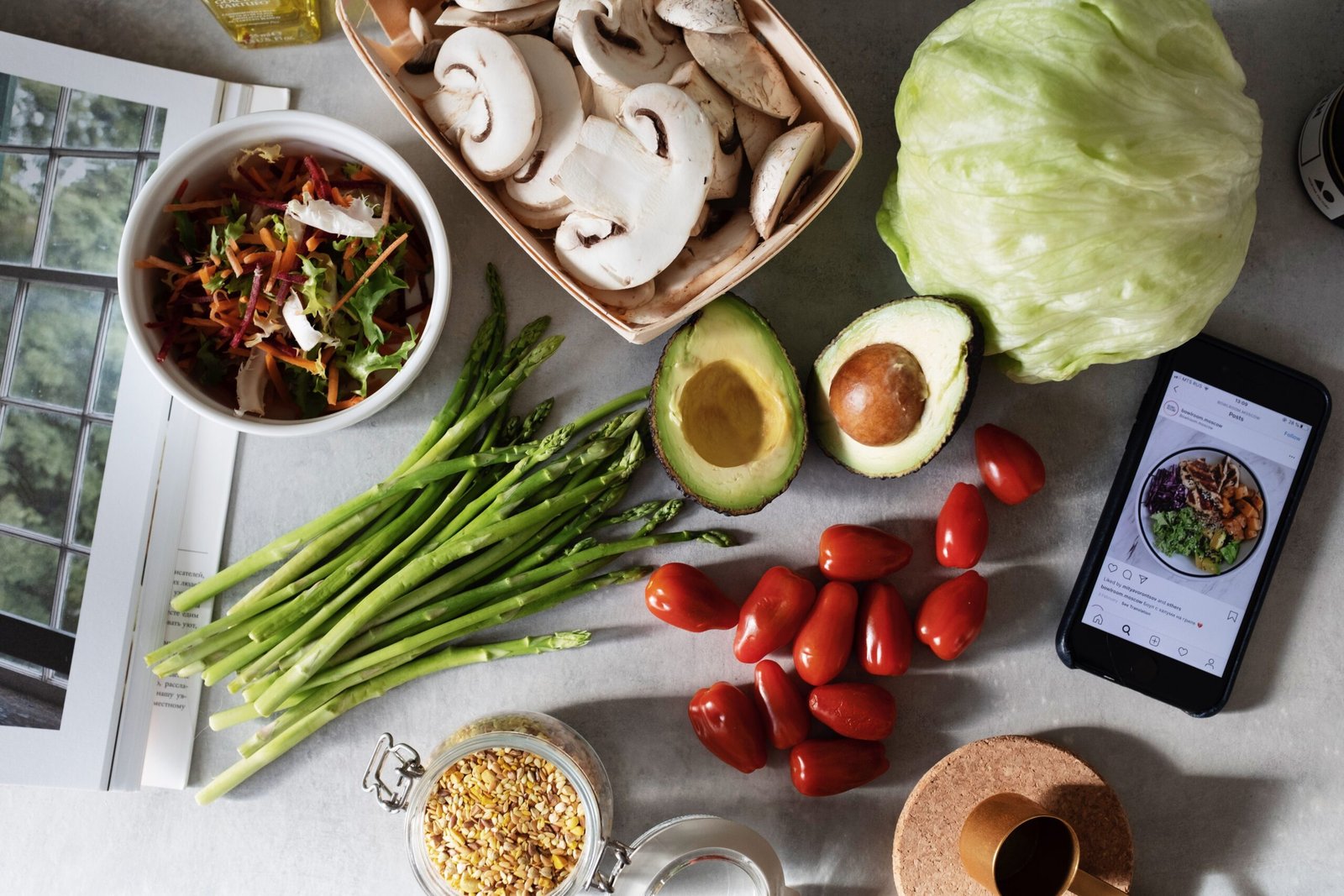
There’s a common assumption that eating clean, meaning mostly whole, minimally processed foods, is automatically more expensive than eating however you were eating before. Grocery stores and social media don’t help this perception, since the most visible “clean eating” products tend to be specialty items with premium price tags: cold-pressed juices, exotic superfoods, and packaged snacks marketed with health buzzwords and a price to match.
The truth is that eating well and eating on a budget aren’t actually in conflict. Some of the most nutritious, whole food options are also some of the cheapest items in the entire grocery store. The expensive version of clean eating is a marketing-driven version, not a necessary one. This post will walk through how to build a grocery list that supports real, whole food eating without draining your bank account.
Rethinking What “Clean Eating” Actually Requires
Before getting into specific foods, it helps to redefine what clean eating actually means in practical terms. At its core, it just means prioritizing whole, minimally processed foods over heavily processed ones and cooking more of your own meals rather than relying on pre-made products. It doesn’t require organic everything, imported specialty items, or trendy branded products.
A bag of dried lentils and a bunch of frozen broccoli are just as “clean” as their expensive specialty counterparts, often more so, since they haven’t been marked up for packaging and branding. Once you separate the actual nutritional goal from the marketing that’s been layered on top of it, a budget-friendly approach becomes a lot more obvious.
Build Your List Around Cheap, Nutrient-Dense Staples
The foundation of an affordable, whole-food grocery list is a rotating set of staple ingredients that are both inexpensive and nutritionally solid. These staples do most of the heavy lifting in terms of cost efficiency, since buying in bulk or in larger quantities tends to bring the per-unit price down significantly.
Dried or canned beans and lentils are some of the cheapest protein sources available, and they come with the added benefit of fiber, which many people don’t get enough of. A bag of dried lentils costs very little and can stretch across multiple meals throughout the week.
Eggs remain one of the most affordable protein sources per gram, and they’re versatile enough to work for breakfast, lunch, or dinner. A dozen eggs typically costs less than almost any other animal protein option.
Frozen vegetables are nutritionally comparable to fresh in most cases, since they’re usually frozen shortly after harvest, which locks in nutrients. They’re often significantly cheaper than fresh, especially for vegetables that are out of season, and they don’t spoil before you get a chance to use them, which cuts down on food waste.
Rice, oats, and other whole grains are inexpensive staples that provide steady energy and, in the case of oats, a solid amount of fiber. Buying these in bulk brings the cost per serving down even further.
Frozen fruit works the same way frozen vegetables do, offering a similar nutrient profile to fresh at a lower and more stable price, particularly useful for fruits that are expensive or hard to find fresh depending on the season.
Canned fish, like canned tuna or salmon, provides an affordable source of protein along with beneficial fats, and it has a long shelf life, which makes it a practical pantry staple rather than something you need to use immediately.
Peanut butter and other nut butters offer a relatively affordable way to get healthy fats and some protein, and they last a long time in the pantry, reducing the pressure to use them up quickly.
Building your weekly list around these kinds of staples, rather than around specialty or convenience items, does most of the work in keeping your grocery bill reasonable while still supporting a whole food-based way of eating.
Buy Produce in Season
Fresh produce prices fluctuate significantly based on what’s in season. Buying fruits and vegetables when they’re in peak season, when they’re more abundant and cheaper to grow and transport, can make a noticeable difference in your grocery bill compared to buying the same items out of season.
If you’re not sure what’s in season where you live, a quick search for your region’s seasonal produce guide can help, or simply pay attention to what’s discounted or featured prominently at your local grocery store, since stores often price in season produce more competitively. When something you’d normally buy is out of season and pricier, frozen versions are usually a reliable, cheaper substitute that doesn’t sacrifice much in terms of nutrition.
Skip the Premium Packaging, Not the Nutrition
A lot of the cost difference between “clean eating” products and regular grocery items comes down to packaging and marketing rather than meaningful nutritional differences. A bag of plain rolled oats and a box of individually packaged, branded oatmeal cups often contain very similar core ingredients, but the convenience packaging and branding can multiply the price several times over.
Buying the plain, less processed version of a staple food and doing a small amount of prep yourself, like portioning oats into containers instead of buying pre-portioned cups, usually gets you the same nutritional outcome for a fraction of the price. This applies to a lot of categories: plain yogurt versus individually flavored cups, a block of cheese versus pre-sliced or pre-shredded versions, and whole vegetables versus pre-cut and washed ones.
Pre-cut and convenience versions aren’t inherently bad choices if the convenience genuinely helps you stay consistent, but it’s worth recognizing that you’re paying extra for time savings, not for better nutrition. If budget is a bigger priority than convenience in a given week, choosing the less processed, less packaged version is usually the more economical move.
Plan Meals Around What’s on Sale
Instead of deciding on specific recipes first and then buying whatever ingredients they require, a more budget-friendly approach is to check what’s on sale or discounted first and build your meals around those items. This is especially effective for proteins, which tend to have the most price fluctuation from week to week.
If chicken thighs are discounted one week and ground turkey is discounted the next, building your meals around whichever protein is cheaper that week, rather than committing to a specific protein in advance, can meaningfully lower your overall grocery spending over time without requiring much extra effort. The same logic applies to seasonal produce and pantry staples that occasionally go on sale in bulk.
This does require a bit more flexibility than following a fixed meal plan, but the savings tend to add up, especially if you’re already using a component-based approach to meal prep, since components are easy to swap based on whatever’s more affordable that particular week.
Avoid Overbuying Specialty “Health” Products
Certain products get marketed heavily around health, wellness, or clean eating, often at a significant markup, without necessarily providing nutritional benefits that justify the price difference. Things like bottled cold-pressed juices, exotic superfood powders, or specialty snack bars can be appealing, but they’re rarely necessary for eating a genuinely nutritious diet.
In most cases, the same nutritional benefits these products claim to offer can be found in far cheaper whole food forms. A cold-pressed green juice is often just a more expensive, less filling version of eating actual vegetables. A superfood powder marketed for its antioxidant content often provides less benefit, and at a much higher price, than simply eating a variety of fruits and vegetables regularly.
This doesn’t mean these products are inherently bad, but recognizing that they’re often more about marketing than meaningful nutritional advantage can help you decide where your grocery budget is best spent. Prioritizing the staples covered earlier will generally get you further, nutritionally and financially, than filling your cart with trendy specialty items.
Reduce Food Waste to Stretch Your Budget Further
An often overlooked part of grocery budgeting is how much money gets lost to food that spoils before it’s used. Even a well-planned, budget-friendly grocery list loses its value if a portion of what you buy ends up thrown away.
A few habits help here. Buying frozen produce for items you don’t plan to use within a few days removes the pressure of a ticking clock on fresh ingredients. Planning your meals loosely around what you already have before buying more helps prevent duplicate purchases sitting unused in the pantry. Storing food properly, keeping herbs in water, and storing certain vegetables separately from ethylene-producing fruits like apples and bananas can meaningfully extend how long fresh produce stays usable.
Reducing waste doesn’t just save money in a general sense; it directly increases the value you’re getting from every grocery trip, since you’re actually using more of what you paid for.
A Sample Budget-Friendly Weekly List
To put these principles into a concrete example, a simple, affordable weekly grocery list built around whole foods might look something like this:
- A bag of dried or a few cans of beans or lentils
- A dozen or two eggs
- A couple bags of frozen mixed vegetables
- A bag of frozen fruit
- A bag of rice or a container of oats
- A few cans of tuna or salmon
- A jar of peanut butter
- Whatever fresh produce is currently in season or on sale
- One or two proteins that happen to be discounted that week
- A block of cheese and a container of plain yogurt
This kind of list, while simple, provides a solid nutritional foundation: protein, fiber, healthy fats, and a mix of vitamins and minerals from produce, all built around ingredients that tend to be among the least expensive items in the store. It also naturally supports the kind of component-based meal prep covered in a whole food approach, since these staples can be combined and recombined into a variety of meals throughout the week.
Consistency Matters More Than Perfect Optimization
It’s worth acknowledging that squeezing every possible dollar out of a grocery budget isn’t necessary or realistic for most people, and chasing perfect optimization can become its own source of stress. The goal isn’t to obsess over every price comparison; it’s to build habits—buying staples in bulk, prioritizing frozen and seasonal produce, and skipping unnecessary premium packaging—that consistently keep your grocery bill reasonable without requiring constant mental effort.
A grocery list that’s roughly budget conscious and followed consistently will serve you better over time than an occasionally perfect list that requires so much planning and price comparison that it becomes unsustainable. As with most habits covered in this series, consistency tends to outperform perfection.
The Bottom Line
Eating well and staying on budget aren’t opposing goals. The most nutritious foods, beans, eggs, frozen produce, whole grains, and canned fish, are often also among the cheapest options in the grocery store. The expensive version of clean eating comes largely from packaging, branding, and specialty products rather than from the actual nutritional content of the food.
By building your grocery list around affordable staples, buying produce in season, skipping unnecessary premium packaging, and planning loosely around what’s on sale, you can maintain a genuinely nutritious, whole-food-based diet without overspending. Clean eating, at its core, has never required an expensive grocery cart, just some intention around what you’re actually buying and why.




Leave a Reply