
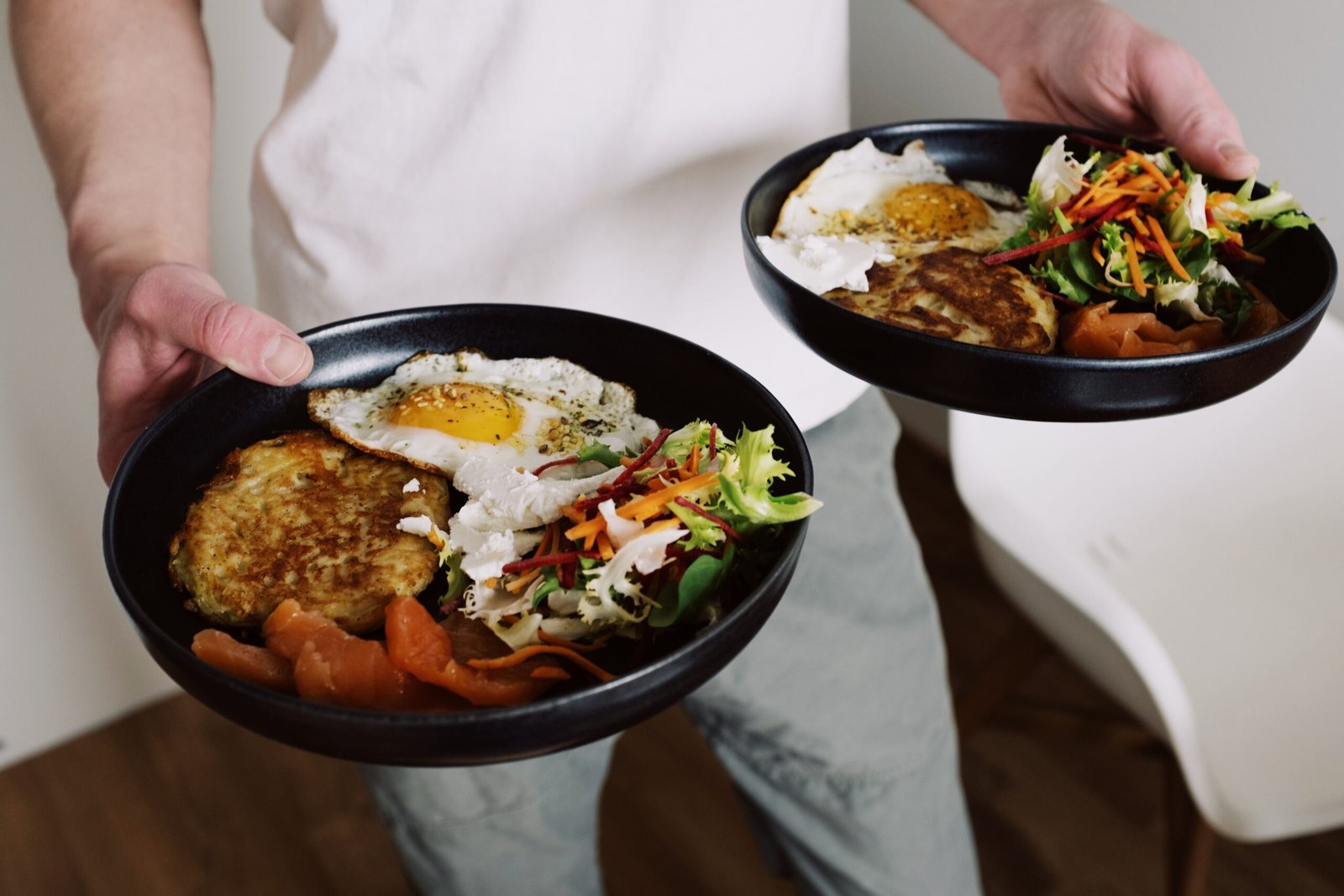
If the idea of balanced eating brings to mind food scales, measuring cups, and calorie tracking apps, you are not alone. For a lot of people, “eating balanced” sounds like a math problem before it sounds like a meal. The good news is that you do not need any of that to eat well. Your plate itself can be the tool, and your eyes can be the measuring cup.
This approach, often called the plate method, is used by dietitians and health organizations around the world precisely because it works without requiring precision. It relies on visual proportions instead of numbers, which makes it something you can use anywhere, whether you are cooking at home, ordering at a restaurant, or filling a plate at a family gathering. Let’s walk through how it works and how to make it a natural part of the way you eat.
Why Measuring Isn’t the Answer for Most People
Measuring food has its place, and some people genuinely benefit from it, particularly in certain medical or athletic contexts. But for most people trying to build healthier everyday habits, precise measuring tends to create more friction than it solves. It takes time, it can feel tedious, and it often turns eating into a task rather than something enjoyable and intuitive.
There is also a psychological cost. Constantly tracking numbers can shift your relationship with food toward anxiety and rigid rules, rather than toward tuning in to how food actually makes you feel. Many people find that they eat more mindfully, not less, once they stop counting and start simply noticing what is on their plate.
The plate method offers a middle ground. It gives you enough structure to build genuinely balanced meals, without asking you to weigh a chicken breast or count out fourteen almonds.
The Basic Idea Behind the Plate Method
Picture your plate divided into a few simple sections. While there are slightly different versions used by various health organizations, the core idea is consistent:
Half your plate: vegetables and fruit. This is the biggest section, and for many people, it is the piece that needs the most attention. Vegetables bring fiber, vitamins, minerals, and volume to a meal without a lot of calories, which helps you feel satisfied. Aim for a mix of colors when you can, since different colored vegetables tend to offer different nutrients.
A quarter of your plate: protein. This includes foods like chicken, fish, eggs, tofu, beans, lentils, or lean beef. Protein plays a key role in keeping you full and satisfied after a meal, and it supports muscle maintenance and overall body function.
A quarter of your plate: whole grains or starchy foods. This includes foods like brown rice, quinoa, whole wheat pasta, potatoes, or whole grain bread. These foods provide energy and, especially in their whole grain forms, fiber that helps keep digestion steady and blood sugar more stable.
A small addition of healthy fats. This is not usually a separate quarter, but rather a smaller addition, such as a drizzle of olive oil, a few slices of avocado, or a small handful of nuts. Fats help you absorb certain vitamins and add flavor and satisfaction to a meal.
That’s genuinely it. No scale, no app, no calorie count. Just a visual guide you can apply to almost any meal, almost anywhere.
Why This Method Works So Well
The plate method works for a few key reasons. First, it naturally builds meals around vegetables, which many people do not eat enough of. By making vegetables the largest section, you are automatically increasing fiber and nutrient intake without needing to think about specific numbers or grams.
Second, it balances the three big players (protein, carbohydrates, and fat) in a way that supports steady energy and fullness. Meals that lean too heavily on carbohydrates alone, without much protein or fat, tend to leave you hungry again quickly. A more balanced plate tends to keep you satisfied for longer, which can reduce mindless snacking later.
Third, and maybe most importantly, it is flexible. You can apply this same basic framework to a home-cooked dinner, a lunch you packed for work, a restaurant meal, or a plate at a holiday party. The proportions stay roughly the same even though the specific foods change completely.
Building a Balanced Plate Step by Step
Let’s walk through what this actually looks like when you are putting a meal together, whether you are cooking or serving yourself from what is already made.
Start With the Vegetables
Before you even think about protein or grains, fill half your plate with vegetables, or a mix of vegetables and fruit if that fits the meal better. This might be a big pile of roasted broccoli, a simple side salad, sautéed greens, or a mix of raw veggies if you are keeping things quick.
If you are eating out, this step is where you might ask for a side salad or extra vegetables instead of fries, or simply serve yourself a bigger portion of the vegetable option available. If a meal does not naturally come with many vegetables, consider adding a side, like a quick side salad or a handful of baby carrots, to round things out.
Add Your Protein
Next, add a portion of protein about the size of your palm, which naturally fills roughly a quarter of most plates. This could be grilled chicken, baked salmon, scrambled eggs, black beans, lentils, tofu, or a lean cut of beef. If you are vegetarian or vegan, beans, lentils, tofu, tempeh, and eggs (if you eat them) all work well here.
You do not need to weigh this portion or calculate grams of protein. The palm-sized guideline is simply a helpful visual anchor, and it naturally scales to your own body size, since palm sizes differ from person to person.
Fill in With Whole Grains or Starches
The remaining quarter of the plate goes to grains or starchy vegetables. This might be a scoop of brown rice, a slice or two of whole grain bread, a portion of quinoa, or a baked sweet potato. If you tend to eat highly refined versions of these foods, like white rice or white bread, shifting toward whole grain versions when you can adds extra fiber and helps keep your energy more stable after eating.
There is no need to eliminate refined grains altogether. If white rice is what is served at a restaurant or what your family traditionally makes, that is completely fine. The goal is balance over time, not perfection at every single meal.
Finish With a Touch of Healthy Fat
Finally, round out the plate with a small amount of healthy fat if it is not already part of your protein or vegetables. A drizzle of olive oil over your vegetables, a few slices of avocado, a small sprinkle of nuts or seeds, or a light vinaigrette on a salad all work well here. This step is often the smallest, and sometimes it is already built into how a dish is cooked, so you may not need to think about it separately at all.
What This Looks Like in Real Meals
It can help to see this idea applied to a few everyday examples, rather than just thinking about it abstractly.
Breakfast: Instead of a plate of pancakes with syrup and nothing else, you might have two eggs (protein), a slice of whole grain toast (grain), a side of sautéed spinach or a handful of berries (vegetables and fruit), and a bit of butter or avocado (fat). It is still a satisfying, familiar breakfast, just with a bit more balance built in.
Lunch: A grain bowl works beautifully here. Half the bowl filled with mixed greens and roasted vegetables, a quarter with grilled chicken or chickpeas, a quarter with brown rice or quinoa, and a drizzle of olive oil-based dressing on top.
Dinner: A simple plate of baked salmon, a big side of roasted broccoli and bell peppers, a scoop of quinoa, and a few slices of avocado on the side covers all four sections without any special recipe or complicated cooking technique.
Eating out: At a restaurant, this might mean ordering a burger with a side salad instead of fries or asking for extra vegetables and a smaller portion of pasta with your protein. It might mean building your own bowl at a fast casual restaurant, loading up on vegetables, choosing a protein, adding a modest scoop of rice, and topping it with a light sauce or a few avocado slices.
Adjusting the Plate for Different Needs
The classic plate method is a helpful general guide, but it is not a rigid rule, and it can be adjusted based on your own needs, preferences, and activity level.
If you are very physically active, you might naturally want a bit more in the grains and starches section to support your energy needs, especially around workouts. There is nothing wrong with a slightly bigger scoop of rice or an extra piece of bread on days when you have trained hard.
If a meal is naturally lower in vegetables, like a bowl of chili or a stir fry where everything is mixed together, you do not need to force a literal plate division. Just aim for the same general ratios within the dish itself, plenty of vegetables mixed in, a solid portion of protein, and a reasonable amount of starch.
If you are vegetarian or vegan, your protein section might come from a wider variety of sources, like beans, lentils, tofu, tempeh, edamame, or a combination of plant foods across the meal. This is completely compatible with the plate method; the ratios stay the same even though the specific foods shift.
If you struggle to eat enough, whether due to appetite, medical reasons, or a busy schedule, you can use the same plate proportions on a smaller plate, which naturally scales the amounts down while keeping the balance intact.
Common Questions About the Plate Method
What about snacks? The plate method is really designed for main meals, but the same basic idea can apply loosely to snacks too. Pairing a source of protein or fat with a carbohydrate, like apple slices with peanut butter or crackers with cheese, tends to be more satisfying than eating carbohydrates alone.
Do I need to follow this at every single meal? No. This is meant to be a general guide you can lean on most of the time, not a rule you need to follow perfectly at every meal. A pizza night, a bowl of cereal, or a holiday dinner does not need to fit these proportions, and that is completely normal. The goal is a helpful pattern over time, not perfection at every sitting.
What if my plate does not look exactly like the guide? That is completely fine. The plate method is meant to be a flexible visual reference, not an exact science. If your vegetables end up being 40 percent instead of 50 percent one day, nothing has gone wrong. The point is to build a general habit of including all these food groups in reasonable proportions, not to measure your plate with a ruler.
Does this work for weight management? Many people find that eating this way naturally supports a healthy weight, since it tends to increase fiber and protein intake, both of which support fullness and reduce the likelihood of overeating. That said, the plate method is really about overall nutritional balance and satisfaction, rather than being a weight loss tool specifically.
Making the Plate Method a Natural Habit
Like most habits, this one gets easier with repetition. At first, you might find yourself consciously thinking through each section of the plate as you cook or serve yourself. Over time, this becomes second nature, the same way you do not think twice about brushing your teeth or buckling your seatbelt.
A few things can help this habit stick:
Keep a mental image of the plate in mind, rather than needing a printed chart or an app. The simplicity is the whole point.
Cook with the sections in mind from the start. When you are planning a meal, think in terms of a vegetable, a protein, and a grain, rather than building a meal around just one component, like pasta or bread, with everything else as an afterthought.
Give yourself grace with imperfect plates. Some meals will naturally lean more toward carbs, like a pasta dinner, or more toward protein, like a barbecue. This is a normal part of eating in the real world, and the goal is balance across your week, not at every individual meal.
Notice how you feel afterward. Meals built with this kind of balance often leave people feeling more satisfied and steady, without the heavy, overly full feeling that can come from a meal that is mostly refined carbohydrates or the quick return of hunger that can come from a meal that is missing protein or fat.
Final Thoughts
Building a balanced plate does not require a food scale, a calorie tracking app, or a background in nutrition science. It just requires a simple mental picture: half vegetables, a quarter protein, a quarter whole grains, and a touch of healthy fat. This visual approach works because it is realistic, flexible, and something you can apply anywhere, whether you are cooking a weeknight dinner or ordering from a menu.
Over time, this way of building meals tends to become intuitive. You will start to notice when a plate is missing vegetables or heavy on refined carbs, not because you are tracking numbers, but because you have built a simple, visual sense of what balance actually looks like. That kind of intuitive eating, built gradually and without pressure, tends to last far longer than any measuring cup ever could.



Leave a Reply