
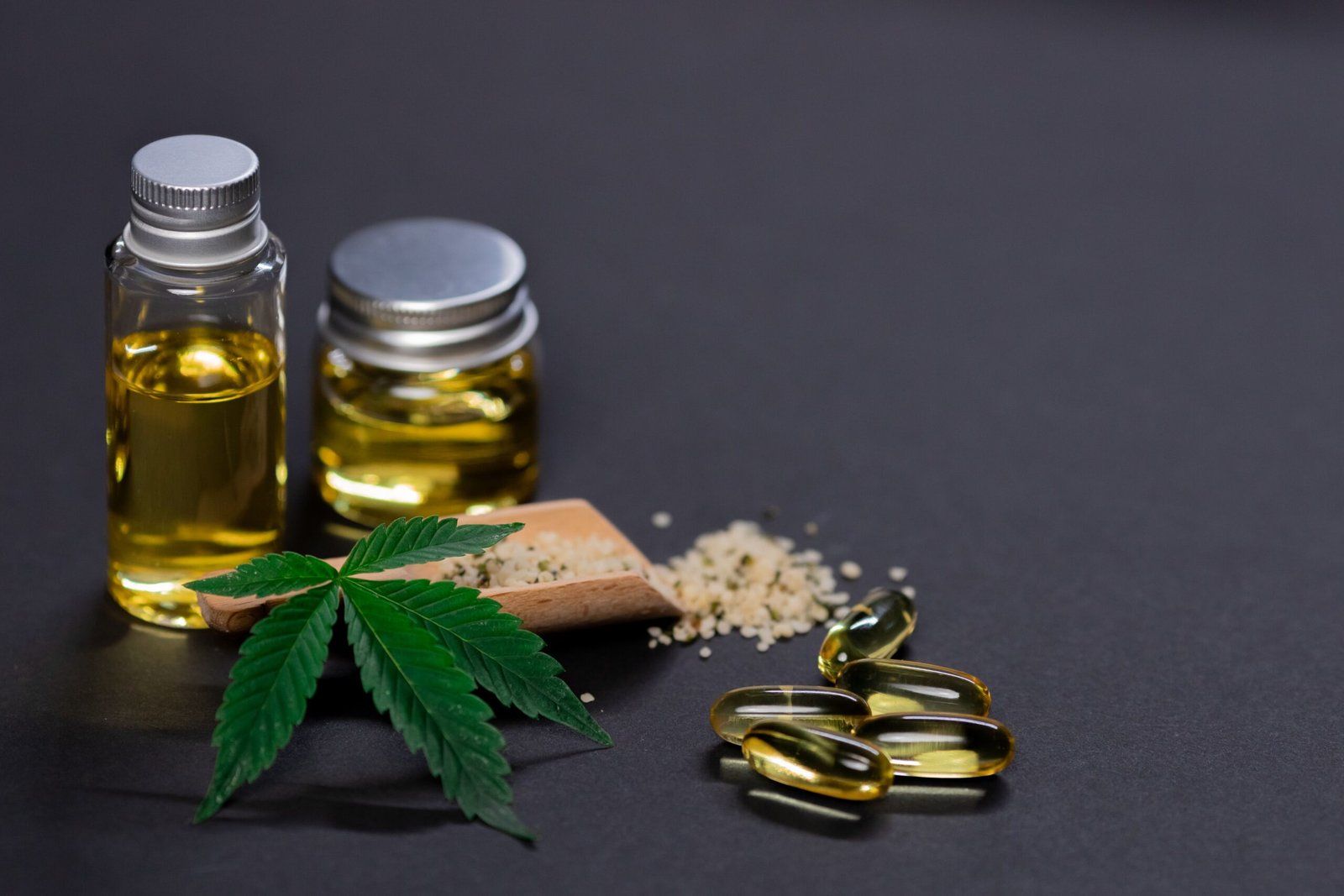
If you’ve spent any time on social media lately, you’ve probably seen seed oils described as one of the most dangerous things in the modern food supply, blamed for everything from inflammation to chronic disease to the general decline of public health. It’s become one of those topics where the online conversation is loud, confident, and often disconnected from what the actual research shows.
This doesn’t mean the concerns are entirely baseless or that seed oils deserve a free pass either. It means the topic is more nuanced than either the panic or the dismissal suggests. This post will walk through what seed oils actually are, where the concerns come from, what the current evidence shows, and how to think about them without falling into fear or complacency.
What Are Seed Oils, Exactly?
Seed oils refer to a category of vegetable oils extracted from seeds rather than fruits, and they include oils like soybean, canola, corn, sunflower, safflower, grapeseed, and cottonseed oil. This distinguishes them from oils extracted from fruits, like olive oil and avocado oil, which tend to get more favorable treatment in nutrition discussions.
These oils became widely used in the twentieth century, largely because they were cheaper to produce at scale than many traditional fats and had a long shelf life, making them attractive for processed food manufacturing and home cooking alike. Today, they show up constantly in packaged foods, restaurant cooking, and many household kitchens.
Where the Concerns Come From
The main argument against seed oils centers on their fatty acid composition, specifically their relatively high content of omega-6 polyunsaturated fats. Omega-6 fats are essential, meaning your body needs them and can’t produce them on its own, but the concern raised by critics is about the ratio between omega-6 and omega-3 fats in a typical modern diet.
Omega-3 and omega-6 fats both play roles in inflammation, though it’s an oversimplification to say omega-6 is simply “inflammatory” and omega-3 is simply “anti-inflammatory.” Some omega-6-derived compounds are actually involved in resolving inflammation, not just promoting it. Still, the argument goes that historically, human diets contained a more balanced ratio of these two fat types, and the modern diet, heavy in seed oils and comparatively light in omega-3 sources like fatty fish, has skewed this ratio in a way that may contribute to chronic, low-grade inflammation over time.
This is a genuinely reasonable hypothesis worth taking seriously, and it has been studied. Where things get less reasonable is in how far the claim often gets stretched online, frequently presented as settled, definitive science establishing seed oils as a primary driver of modern chronic disease, when the actual research paints a considerably less alarming and less conclusive picture.
What the Evidence Actually Shows
This is the part that tends to get lost in online discussions. When researchers have looked directly at health outcomes related to seed oil consumption, rather than theorizing from fatty acid ratios alone, the results are considerably more reassuring than the panic suggests.
Multiple large-scale studies and meta-analyses have looked at the relationship between polyunsaturated fat intake, including from seed oils, and outcomes like heart disease. Much of this research has found that replacing saturated fat with polyunsaturated fat, including from seed oils, is associated with improved cardiovascular markers and reduced heart disease risk, not increased risk. This runs directly counter to the narrative that seed oils are broadly harmful for heart health.
Regarding inflammation specifically, the picture is more mixed but doesn’t clearly support the idea that typical seed oil consumption causes significant, harmful inflammation in most people. Some studies show minimal or no meaningful inflammatory effect from linoleic acid, the main omega-6 fat found in most seed oils, at levels typically consumed in a normal diet. The relationship between omega-6 intake and inflammation appears to be more complicated than the simple “omega-6 is inflammatory” framing suggests, and blood levels of linoleic acid don’t consistently correlate with inflammatory markers in the way the popular narrative implies.
None of this means seed oils are some kind of health food that should be maximized, and it doesn’t mean every single study agrees or that this research area is fully settled. Nutrition science on this topic, like many areas of nutrition research, continues to evolve, and there’s legitimate scientific debate about optimal omega-6 to omega-3 ratios. But the current body of evidence doesn’t support the level of alarm commonly seen in social media content, and it’s worth being skeptical of any claim presented as fully settled in either direction.
Where the Real Nuance Lies
A more useful way to think about seed oils isn’t “are they good or bad” but rather “in what context and in what form.”
Processing and reheating matter. Seed oils, like other polyunsaturated fats, can become oxidized when repeatedly heated to high temperatures, particularly in deep frying applications reused multiple times, which is common in some commercial food settings. Oxidized oils are associated with more concerning health effects than fresh, unheated versions of the same oil. This is more relevant to how oils are used in heavy commercial frying than to the moderate use of seed oil in typical home cooking.
The food seed oils are found in matters as much as the oil itself. A significant portion of seed oil consumption in a typical modern diet comes from ultra-processed foods: packaged snacks, fried fast food, and heavily processed convenience items. In these contexts, it’s difficult to separate the effect of the oil itself from the effect of the overall food it’s part of, which is often also high in refined carbohydrates, added sugar, and low in fiber and micronutrients. Blaming seed oil in isolation for the health effects of a diet heavy in ultra-processed food may be misattributing cause in a way that’s convenient but not entirely accurate.
Overall dietary pattern matters more than any single ingredient. As with most topics in this series, focusing on one ingredient in isolation tends to miss the bigger picture. Someone eating a diet built around whole foods that happens to include olive oil for some cooking and a moderate amount of seed oil in others is in a very different situation than someone whose diet is dominated by ultra-processed foods that happen to use seed oil as a common ingredient.
What This Means Practically
Given the current state of the evidence, a reasonable, balanced approach doesn’t require eliminating seed oils out of fear, nor does it require ignoring the topic entirely.
Prioritizing whole, minimally processed foods naturally moderates seed oil intake. Since a large portion of seed oil consumption comes through ultra-processed foods, focusing on whole food-based eating, a theme throughout this series, tends to naturally reduce excessive seed oil intake as a side effect, without requiring you to obsessively scrutinize every ingredient label.
Using a variety of cooking fats is a reasonable approach. Rotating between olive oil, avocado oil, butter, and moderate amounts of seed oils for different cooking applications is a sensible approach that doesn’t require rigid avoidance of any single category.
Increasing omega-3 intake is a more actionable step than eliminating omega-6. Rather than trying to eliminate seed oils entirely, a more evidence-backed approach is to increase your intake of omega-3-rich foods, like fatty fish, walnuts, and flaxseed, which addresses the ratio concern from the other direction without requiring dramatic dietary restriction.
Be cautious of oils used in heavy commercial frying, more so than oils used in home cooking. If you’re looking for a place to focus concern, repeatedly reused frying oil in some commercial food settings is a more evidence-supported area of caution than the occasional use of seed oil in home-cooked meals.
Why This Topic Gets So Much Attention Online
It’s worth understanding why seed oils in particular have become such a hot topic, since it helps explain why the online conversation often outpaces the actual science. Seed oils make for a compelling villain: they’re present in an enormous range of processed foods, they have a slightly ominous-sounding industrial history, and framing a single ingredient as the hidden cause of modern chronic disease is a simpler, more shareable narrative than the more accurate but less satisfying explanation that chronic disease in modern populations stems from a complex combination of overall dietary patterns, physical activity levels, sleep, stress, and many other interacting factors.
This doesn’t mean everyone raising concerns about seed oils is acting in bad faith. Some of the underlying questions are genuinely worth researching further. But it’s worth recognizing that confident, alarming claims spread more easily online than nuanced, uncertain ones, which can create a distorted picture of how settled or dramatic this issue actually is within the scientific community.
The Bottom Line
Seed oils aren’t the health disaster they’re sometimes portrayed as online, but they also aren’t automatically neutral or beneficial simply because some of the panic is overstated. The current evidence doesn’t support eliminating them out of fear, particularly given research showing favorable cardiovascular outcomes when they replace saturated fat. At the same time, moderating intake, particularly from ultra-processed sources and heavily reused frying oil, along with increasing omega-3 intake, is a reasonable, evidence-informed approach that doesn’t require dramatic restriction or anxiety around a single ingredient.
As with most nutrition topics, the answer isn’t found in a dramatic headline in either direction. It’s found in the broader pattern of your diet, prioritizing whole foods, getting a reasonable variety of fats, and not letting any single ingredient carry more blame or credit than the evidence actually supports.





Leave a Reply