
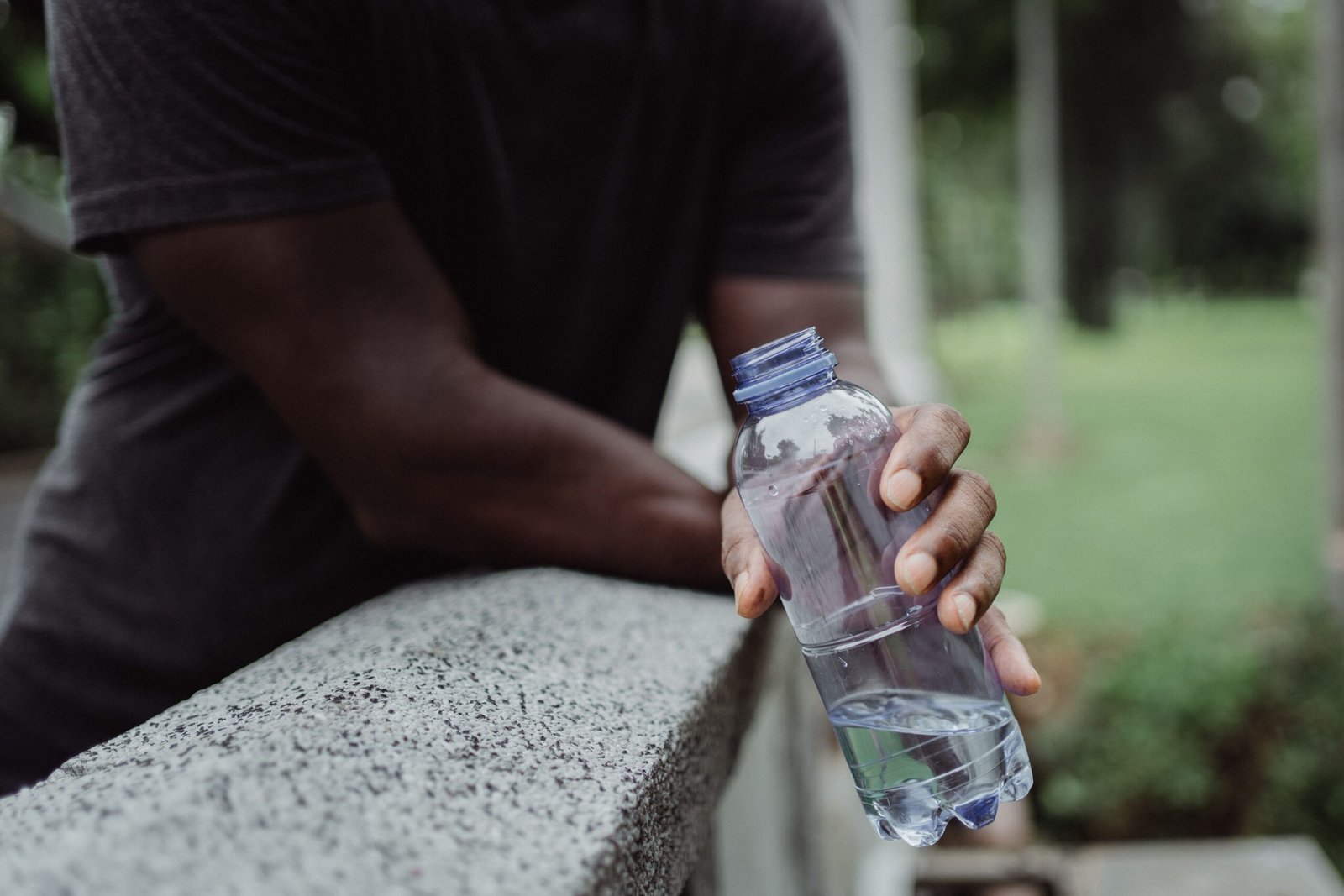
Most of us think about water only when we are thirsty, and by the time thirst kicks in, our body is already running on a deficit. Hydration is one of those quiet, background factors that shapes how we feel every single day, yet it rarely gets the attention it deserves. We reach for coffee when we are tired and snacks when we feel foggy, and we rarely stop to ask whether a simple glass of water might solve the problem first.
The truth is that even mild dehydration, often just one to two percent loss of body water, can measurably affect your energy levels, your appetite signals, and your ability to concentrate. This is not about chugging gallons of water a day or following some extreme wellness trend. It is about understanding a basic biological need that, when met consistently, can make a noticeable difference in how you function.
Let’s walk through exactly how hydration touches these three areas of daily life and what you can do to stay ahead of it.
Why Water Matters More Than You Think
Water makes up roughly 60 percent of your body weight, and it is involved in nearly every process that keeps you running, from regulating temperature to delivering nutrients to your cells to flushing out waste. Your brain itself is about 75 percent water, which is part of why even small changes in hydration status can show up as changes in how you think and feel.
Unlike food, your body does not store water for later use in the same way it stores fat or glycogen. You lose water constantly through breathing, sweat, and normal bodily functions, which means your hydration needs are something you have to keep up with throughout the day, not just when you remember to drink.
Hydration and Energy Levels
One of the most common and most overlooked causes of daytime fatigue is simply not drinking enough water. When you become dehydrated, even mildly, your blood volume decreases slightly. This means your heart has to work a little harder to pump oxygen and nutrients to your muscles and organs, which can leave you feeling sluggish and tired, even if you have had plenty of sleep.
Dehydration can also affect your cells’ ability to produce energy efficiently. Many of the chemical reactions your body uses to convert food into usable energy depend on adequate water levels. When those reactions slow down, you may feel a kind of low-grade tiredness that is easy to mistake for needing caffeine, more sleep, or a snack, when what your body may actually be asking for is water.
This is particularly relevant for anyone who feels a midafternoon energy slump. Before reaching for another cup of coffee, it is worth trying a glass of water first and giving it fifteen to twenty minutes to see if your energy shifts. Many people are surprised to find that what felt like fatigue was actually mild dehydration in disguise.
Hydration and Appetite
Here is something that surprises a lot of people: thirst and hunger signals travel through some of the same pathways in your brain, and they can be easy to confuse. When you are dehydrated, your body may send a signal that feels a lot like hunger, even though what it actually needs is fluid. This is sometimes called “false hunger,” and it is a common reason people snack more than their body truly needs.
This does not mean every craving is secretly thirst, but it does mean hydration is worth checking before you assume you need food. A simple habit that helps here is drinking a glass of water and waiting about ten to fifteen minutes before deciding whether you are truly hungry or if the craving fades.
There is also a well-documented connection between drinking water before meals and how much people naturally eat. Research on this topic has found that having a glass of water shortly before a meal tends to lead to eating somewhat less during that meal, likely because it takes up some space in the stomach and slightly blunts the intensity of hunger signals. This is not a weight loss trick so much as a way of eating in tune with your body’s actual needs, rather than mistaking thirst for hunger.
Hydration and Focus
If you have ever sat down to work and found yourself unable to concentrate, unable to hold a thought, or making small careless mistakes, dehydration might be part of the picture. Because your brain is so water-dependent, even mild dehydration has been linked to reduced concentration, slower reaction times, and a general sense of mental fog.
Some research on mild dehydration, in the range of one to two percent of body weight lost through fluid, has found measurable effects on mood, memory, and attention, particularly in tasks that require sustained focus. This level of dehydration is surprisingly easy to reach. It can happen from a few hours without water, a workout without adequate fluid replacement, or a hot day where sweat losses go unnoticed.
This matters most in situations where focus counts most, during a long work meeting, while studying, or when trying to get through a demanding task. Keeping water nearby and sipping throughout these periods, rather than only drinking when you remember or when you feel parched, can help keep your concentration steadier throughout the day.
How Much Water Do You Actually Need
There is no single number that applies to everyone, since hydration needs depend on body size, activity level, climate, and overall health. A commonly cited general guideline is around 11.5 cups (2.7 liters) of total fluid per day for women and about 15.5 cups (3.7 liters) for men, though this includes water from food as well as beverages, and roughly 20 percent of your daily water intake typically comes from food.
Rather than obsessing over a precise number, a more practical approach for most healthy people is to pay attention to your body’s signals. Thirst is a reasonably reliable guide for most people, though it tends to lag slightly behind your body’s actual needs, which is why waiting until you feel very thirsty often means you are already a bit behind. Another simple check is the color of your urine. Pale yellow generally suggests you are well hydrated, while dark yellow can be a sign you need more fluids.
Certain situations increase your fluid needs beyond the baseline, including hot weather, exercise, illness (especially with fever, vomiting, or diarrhea), pregnancy and breastfeeding, and high altitude. On days when any of these apply, it is worth being more intentional about drinking water throughout the day rather than relying on thirst alone.
Simple Ways to Stay Hydrated Without Overthinking It
Staying hydrated does not need to become another complicated wellness routine. A few small habits can make a meaningful difference.
Start your day with a glass of water. After several hours of sleep without fluids, your body is naturally a little dehydrated in the morning. Drinking a glass of water before your coffee or breakfast is a simple way to get ahead of the day.
Keep water visible and within reach. Just like with food, convenience matters. A water bottle sitting on your desk or in your bag serves as a visual reminder to drink throughout the day, and you are far more likely to sip regularly when water is right in front of you.
Pair drinking water with existing habits. Try drinking a glass of water every time you sit down at your desk, before each meal, or after you use the restroom. Attaching hydration to habits you already have removes the need to remember it as a separate task.
Eat water-rich foods. Fruits and vegetables like cucumber, watermelon, oranges, and leafy greens have high water content and contribute meaningfully to your daily fluid intake, in addition to offering fiber, vitamins, and minerals.
Flavor your water if plain water feels boring. Adding a slice of lemon, a few cucumber slices, or a splash of fruit juice can make water more appealing if you find yourself avoiding it because it feels flavorless. This small change can be the difference between forgetting to drink and looking forward to it.
Notice your caffeine and alcohol intake. Coffee, tea, and alcoholic beverages have mild diuretic effects, meaning they can increase fluid loss. This does not mean you need to avoid them, but it is worth balancing them with extra water, particularly on days when you are having more than usual.
Set gentle reminders if you tend to forget. Some people find it helpful to set a phone reminder every couple of hours or to use a marked water bottle that shows how much they should have consumed by certain times of the day. These tools are not necessary for everyone, but they can be genuinely useful if drinking water is not yet an automatic habit.
Signs You May Need More Water
Your body tends to give you clues when hydration is falling behind. Common signs include feeling unusually tired or sluggish, having trouble concentrating, headaches, dry mouth, dark yellow urine, dizziness, and increased hunger or cravings shortly after eating a full meal. Noticing these patterns can help you connect the dots between how you feel and how much water you have actually had that day.
If you often experience these symptoms, especially fatigue or brain fog in the afternoon, it is worth tracking your water intake for a few days alongside how you feel. Many people are surprised by how closely the two are connected once they start paying attention.
A Realistic Way to Build the Habit
If hydration has not been a priority for you, there is no need to overhaul everything overnight. Start with one small change, like drinking a glass of water first thing in the morning or keeping a water bottle on your desk, and let that become automatic before adding another habit on top of it.
Over time, these small, consistent choices add up to a body and brain that are working with the fuel they actually need, rather than running on empty and trying to make up for it with caffeine or extra food.
Final Thoughts
Hydration is one of the simplest, most accessible tools you have for supporting your energy, appetite, and focus, yet it is often the first thing overlooked when life gets busy. You do not need a complicated system or a specific number of ounces to hit every day. You just need consistent, simple habits that keep water part of your daily rhythm.
The next time you feel tired, hungry shortly after a meal, or unable to concentrate, try a glass of water before anything else. It is a small step, but it is one that supports nearly everything your body does, and it might solve the problem faster than you expect.




Leave a Reply