Zinc doesn’t get the attention that iron, calcium, or vitamin D do, which is a little unfair for a mineral involved in immune function, wound healing, taste and smell, and the way your cells grow and divide. It also has a quirk that makes it worth understanding: it’s easy to meet your needs on a typical mixed diet, and surprisingly easy to fall short on certain eating patterns, even healthy ones.
This guide covers which foods supply the most zinc (with real serving sizes), how much you need, the signs that could point to low zinc, who’s most likely to run short, and how to fix it. It also covers the part that often gets skipped: why more is not better, and why guessing at the cause of your symptoms can lead you astray.
The Short Answer
The best zinc food sources are oysters, red meat, crab and lobster, poultry, and fortified breakfast cereals, with pumpkin seeds, legumes, nuts, whole grains, and dairy contributing smaller but useful amounts. Oysters are in a league of their own. Beef and crab follow, and plant foods tend to provide 1–2.5 mg per serving.
Adults need about 8 mg a day (women) or 11 mg (men). The NIH-based figures list 11 mg for men and 8 mg for women over 19, 11 mg during pregnancy, and 12 mg while breastfeeding, with an upper limit of 40 mg for adults. Signs of low zinc include changes in taste and smell, slow wound healing, hair loss, frequent infections, and loss of appetite, but those symptoms are non-specific, and a lot of things other than zinc can cause them. hace cuentas
What Zinc Does
Zinc is a trace mineral, meaning your body needs it in small amounts, but it takes part in an enormous range of processes: enzyme activity, protein and DNA production, immune cell function, wound repair, and the senses of taste and smell. Your body doesn’t keep a large reserve it can draw on, so regular intake matters.
This breadth is why deficiency shows up in so many ways and why it’s so easy to misattribute. It’s also why the answer to “am I getting enough?” depends on both what you eat and how well your body absorbs it.
The Zinc Food List
Numbers below are approximate. Zinc content varies by species, cut, cooking method, and the database you consult, and oysters are the most variable of all. I’ve noted ranges where published sources disagree.
Shellfish and red meat: the most concentrated sources
- Oysters, cooked, 3 oz: This is the highest zinc food by a wide margin, but the number depends heavily on the type. Pacific oysters are listed at about 28 mg per 3-ounce serving, and some tables list values of 32 mg or even 74 mg for other varieties and preparations. Whichever number you use, a single serving can cover an entire day’s needs several times over. bottomline inc
- Beef chuck roast, 3 oz: about 7 mg. Leaner cuts run lower, for example, about 3.8 mg for roasted bottom sirloin. bottomline inc
- Beef patty, 3 oz: about 5 mg.
- Alaska king crab, 3 oz: about 6.5 mg.
- Blue crab, 3 oz: about 3.2 mg.
- Lobster, 3 oz: about 3.4 mg.
- Beef liver, 3 oz: about 4 mg.
Red meat is the quiet workhorse here. Most people in meat-eating cultures get the bulk of their zinc from beef, pork, and poultry rather than from oysters.
Poultry and dairy
- Turkey breast, roasted, 3 oz: about 1.5 mg. Dark meat, such as chicken thighs and drumsticks, tends to contain more than white meat.
- Yogurt, milk, and cheddar cheese: roughly 1–2 mg per serving.
Individually these look modest, but they add up across a day.
Fortified foods
- Fortified breakfast cereal: roughly 3–4 mg per serving for some products, though the range is wide. One table lists about 2.8 mg per cup of cereal fortified with 25% of the Daily Value. Check the label, since zinc content depends entirely on the brand. bottomline inc
Fortified cereal is especially useful for people who eat little or no meat.
Seeds, nuts, and legumes
- Pumpkin seeds, 1 oz: about 2.2 mg. Hemp seeds are comparable.
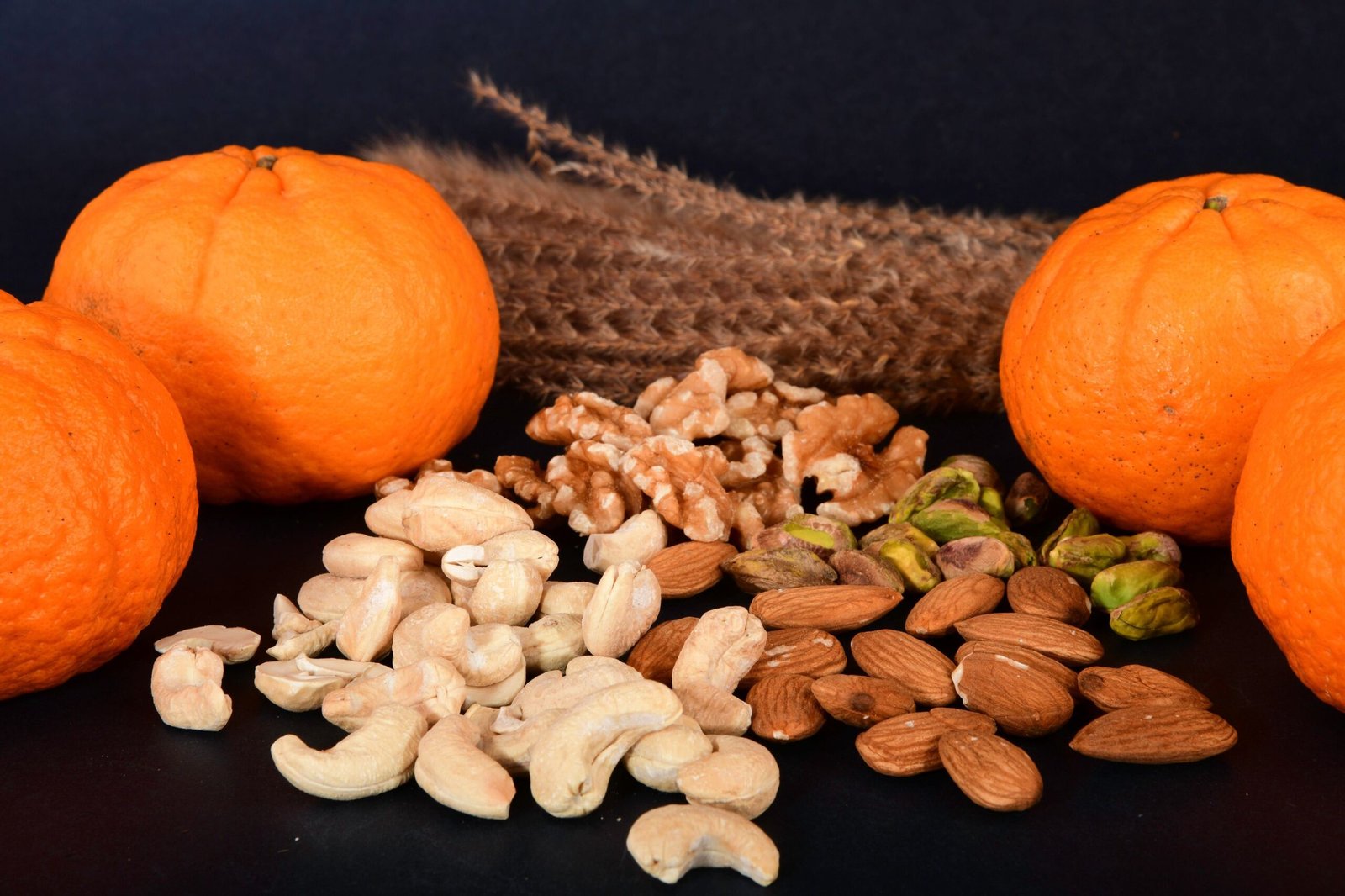
- Cashews, 1 oz: about 1.6 mg.
- Lentils, cooked: about 2.5 mg per cup (roughly 1.3 mg per half cup).
- Chickpeas, cooked: about 2.5 mg per cup (roughly 1.3 mg per half cup).
- Almonds and oatmeal: around 1–2 mg per serving.
- Quinoa, cooked, 1 cup: about 1 mg.
Some pages list lentil and chickpea values per half cup and others per cup, which is why you’ll see numbers that seem to disagree. Check the serving size before comparing.
How the foods stack up
A useful rule of thumb: one serving of beef, shellfish, fortified cereal, or a legume-and-seed combination might cover a quarter to half of a day’s needs. A few of those at different meals get most people there.
A Sample Day
Here’s what meeting the zinc target can look like with ordinary foods.
A mixed-diet day (about 12 mg):
- Breakfast: a bowl of fortified cereal with milk, roughly 2.8 mg
- Lunch: a turkey sandwich with 3 oz of turkey, about 1.5 mg, plus a cup of yogurt, about 1.5 mg
- Snack: 1 oz of pumpkin seeds, about 2.2 mg
- Dinner: 3 oz of roasted beef sirloin, about 3.8 mg
A vegetarian day (about 13 mg):
- Breakfast: fortified cereal (2.8 mg) with milk or yogurt (about 1.5 mg)
- Lunch: a cup of cooked lentils, about 2.5 mg
- Snack: 1 oz of pumpkin seeds (2.2 mg) plus 1 oz of cashews (1.6 mg)
- Dinner: a cup of cooked chickpeas, about 2.5 mg
Both hit a typical adult target. Note, though, that the vegetarian version needs deliberate planning, which brings us to absorption.
Absorption: Why Plant Zinc Counts for Less
Not all the zinc in a food ends up in your body. Whole grains, legumes, nuts, and seeds contain phytates, compounds that bind zinc in the gut and reduce how much is absorbed. Zinc from animal foods is generally absorbed more efficiently.
This is why recommendations for vegetarians and vegans are higher. A commonly cited approach, based on NIH guidance, is to multiply the standard RDA by about 1.5 for people eating mostly plant-based, phytate-rich diets, reflecting lower absorption of roughly 10–15% versus about 30–35% from animal sources. By that math, a vegetarian woman might aim for around 12 mg and a vegetarian man around 16.5 mg. Hace cuentas.
A few kitchen habits can help:
- Soak, sprout, or ferment. Soaking beans and seeds, sprouting grains, and using fermented foods can reduce phytate content.
- Choose leavened bread. Yeast fermentation breaks down some phytate, so leavened breads tend to deliver more usable zinc than flatbreads.
- Pair thoughtfully. Eating plant zinc sources alongside protein-rich foods and some acidic ingredients, like lemon juice or vinegar in a dressing, is commonly suggested, though the evidence for individual tricks is thinner than for soaking and fermenting.
- Don’t swear off whole grains and legumes. The phytate effect is real, but these foods are valuable for many other reasons. The fix is to plan around it, not avoid them.
Signs Your Diet May Be Low in Zinc
Here’s where care is needed. The signs of low zinc are real, but none of them is specific to it. They overlap with many other conditions, which is why the NIH consumer fact sheet itself notes that many of these symptoms can be signs of problems other than zinc deficiency, and a health care provider can help determine the cause. nih
With that caveat, these are the signs most often associated with inadequate zinc:
Changes in taste and smell. Zinc deficiency at any age can cause a loss of taste and smell. Food tasting flat or metallic, or a reduced sense of smell, can be a clue, though plenty of other things cause the same changes, including illness and medication. nih
Slow wound healing. Zinc is involved in tissue repair. In older adults, deficiency can delay wound healing and contribute to problems with thinking, reasoning, and memory. nih
Frequent infections. Because zinc supports immune cells, low levels can leave you more susceptible. In older children, deficiency can cause hair loss and frequent infections. nih
Hair thinning or loss. This one is common and has many causes, so it’s a weak signal on its own.
Loss of appetite and diarrhea. These appear in descriptions of more significant deficiency, and diarrhea can also be a cause of zinc loss, which creates a loop.
Skin changes and lesions. Skin and eye lesions are associated with more severe deficiency.
Slowed growth in children and delayed sexual maturation. These are seen in more serious cases, mainly in children and adolescents.
Reading that list, you can probably think of a dozen unrelated explanations for each symptom. That’s the point. If several of these apply to you, especially alongside a risk factor from the next section, it’s a reason to talk to a clinician rather than start a supplement on your own.
Testing is also less straightforward than people assume. Serum zinc is the common blood test, but it has limited sensitivity for marginal deficiency, which means a “normal” result doesn’t always rule out a problem, and clinicians often weigh symptoms and risk factors alongside the number.
Who’s Most Likely to Run Low
Zinc deficiency is relatively uncommon in the United States, where most people get adequate amounts. Certain groups have a higher chance of falling short.
- Vegetarians and vegans. Lower absorption plus fewer concentrated sources makes planning important.
- People with digestive disorders or GI surgery. Conditions like Crohn’s disease, ulcerative colitis, and short bowel syndrome reduce absorption, and chronic diarrhea increases losses.
- People with alcohol use disorder. Alcohol reduces the amount of zinc the body absorbs and increases the amount lost in urine. nih
- Pregnant and breastfeeding women. Needs go up, and lactation raises the RDA further.
- Older adults. Reduced appetite and food variety can lower intake, and some medications increase zinc loss.
- Infants over six months who are exclusively breastfed. Human milk alone doesn’t supply enough zinc for older infants, which is why pediatric guidance calls for zinc-containing complementary foods such as pureed meats.
- People with certain chronic conditions, including sickle cell disease, chronic kidney disease, and liver disease, as well as some people with eating disorders.
If you recognize yourself in this list, the practical move is to pay more attention to your diet and raise it with your healthcare provider.
If You Think You’re Low: A Sensible Approach
The most useful first step is the least dramatic: look at what you actually eat for a typical week. Do you eat any of the concentrated sources (meat, shellfish, fortified cereal), or are you relying on a few plant sources without much planning? Most people can close a gap with food.
If you’re short and want to adjust:
- Add one or two reliable sources. A serving of beef, crab, or fortified cereal, or a daily handful of pumpkin seeds and cashews, makes a noticeable difference.
- Plan the plants. If you eat plant-based, build around lentils, chickpeas, seeds, nuts, and fortified foods, and use soaking, sprouting, and fermenting where you can.
- Get symptoms checked. Especially if they’re persistent, if you have a digestive condition, or if you’re pregnant. A clinician can look for causes beyond zinc.
- Consider supplements only with a reason. A supplement can help if a clinician identifies a deficiency or you can’t meet needs through food, but it isn’t a casual add-on.
Why More Zinc Isn’t Better
Zinc has a ceiling, and it’s lower than people assume. The adult upper limit is 40 mg a day from all sources combined, and chronic excess, almost always from stacked supplements rather than food, can cause copper deficiency and lower HDL cholesterol. Short-term overdoses cause nausea, vomiting, and stomach upset. The NIH consumer sheet also notes that very high doses of supplemental zinc can reduce your body’s absorption of magnesium. acibademinternationalnih
Food rarely gets you anywhere near the ceiling. The risk comes from combining a multivitamin, a “immune support” product, lozenges, and a standalone zinc capsule without adding them up. Read labels and tally your total, particularly if you use zinc products regularly.
The Takeaway
Zinc is easy to get and easy to miss. Oysters, red meat, crab, poultry, and fortified cereals carry most of the load for people who eat them, while plant eaters can get there with legumes, seeds, nuts, and fortified foods if they plan for lower absorption. The signs of low zinc, from dulled taste and smell to slow wound healing, are real but non-specific, so treat them as a prompt to look at your diet and talk to a professional, not as a diagnosis.
Aim for steady, varied intake from food, be especially deliberate if you fall into one of the higher-risk groups, and keep supplements within the upper limit and tied to an actual need. This article is general information, not medical advice.