Coffee has had a strange reputation over the years. At various points it has been blamed for heart disease, stunted growth, and general jitters, then later praised for helping people live longer. Both stories contain some truth, which is why people still ask the same practical question: how much is actually fine? For most healthy…

Month: October 2026
Plant Milks Compared: Soy, Oat, Almond, and Pea
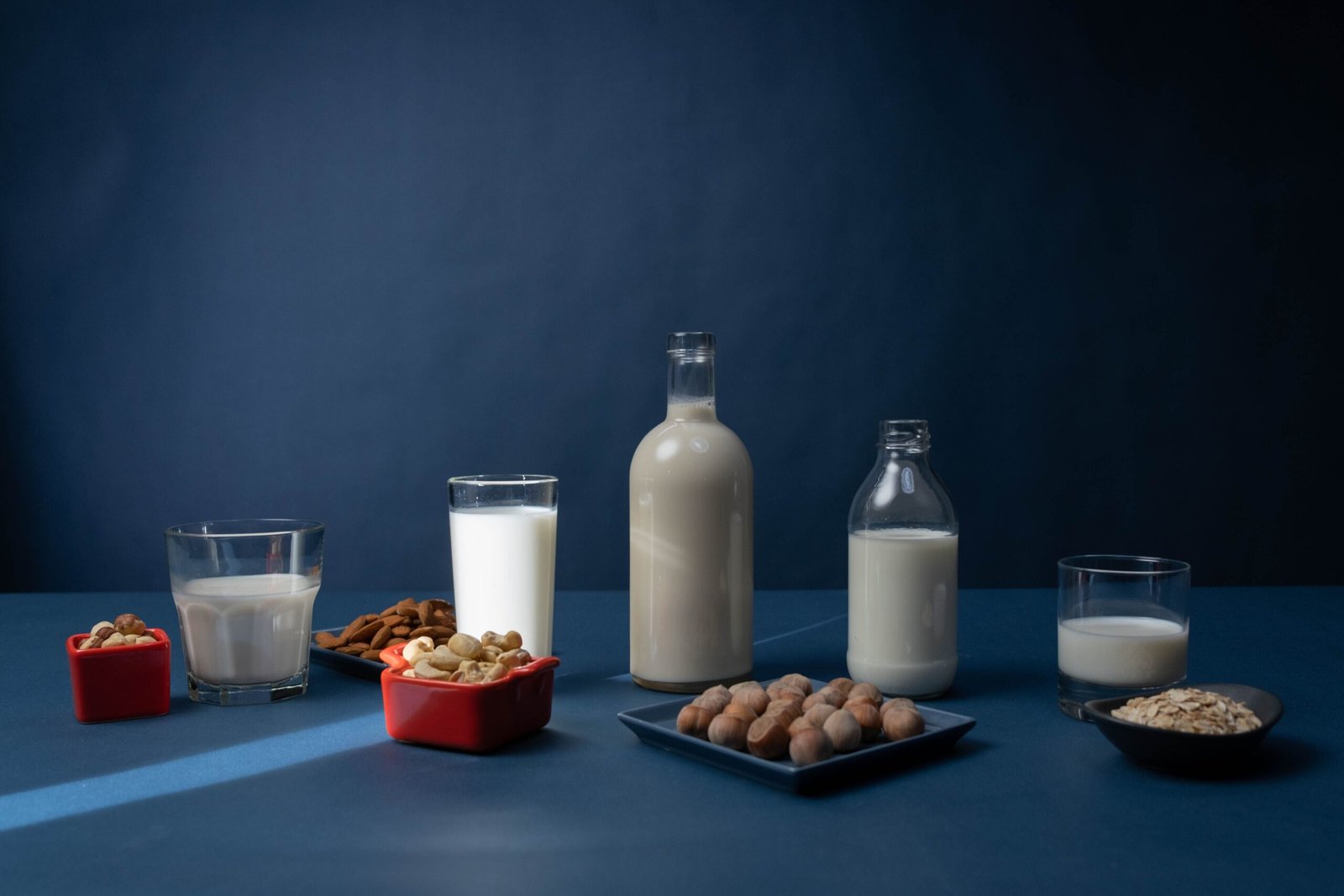
The refrigerated aisle now has more non-dairy milks than most people can sort through. Four dominate the shelf: soy, oat, almond, and pea. They look alike in a glass and are often marketed with similar wellness language, yet nutritionally they are quite different. The short answer is that fortified, unsweetened soy and pea milks come…
Green Tea vs. Black Tea vs. Herbal Tea: What’s the Difference and Which Should You Drink?
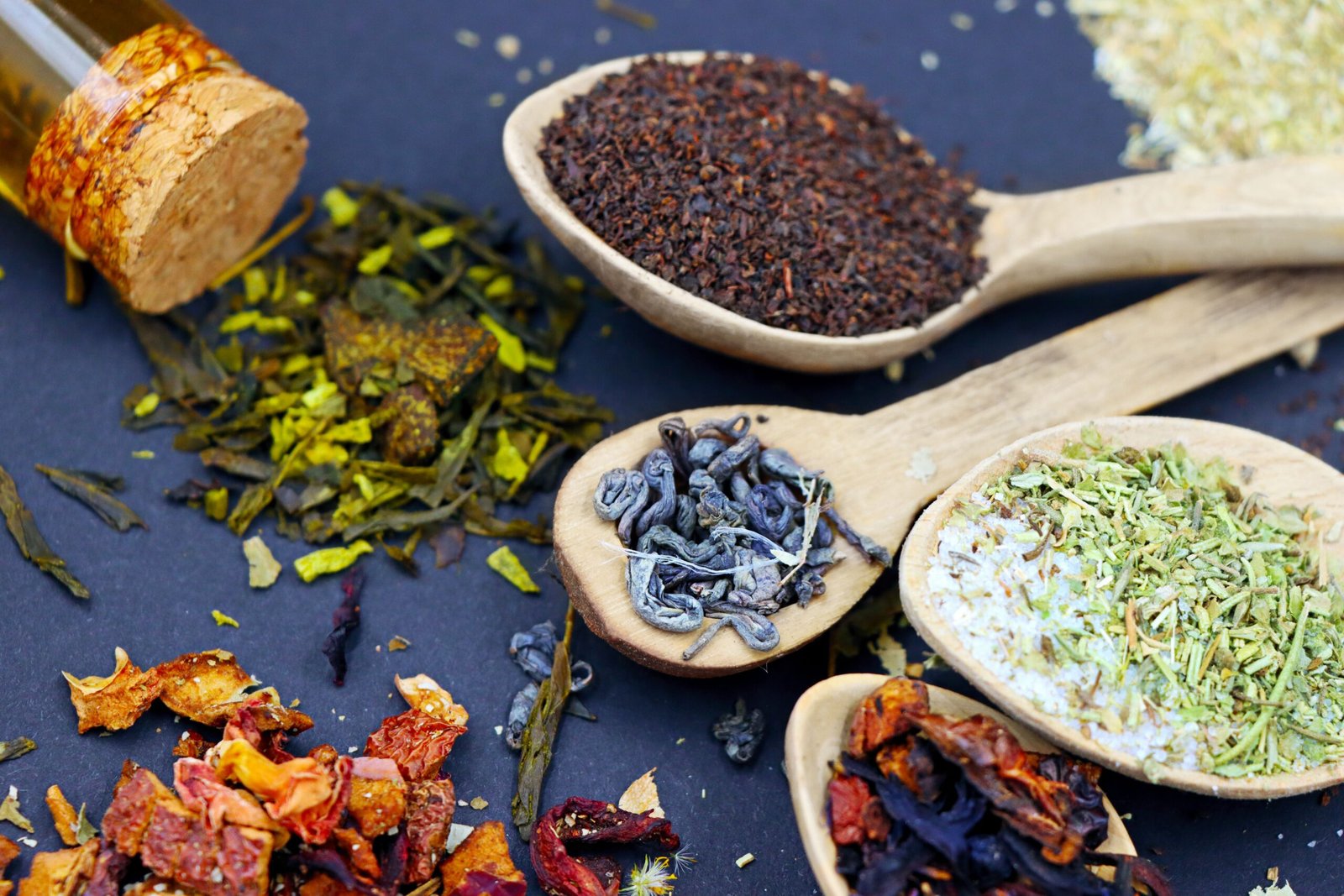
Walk down the tea aisle and you will find hundreds of boxes, but nearly all of them fall into three groups: green tea, black tea, and herbal tea. They look similar in a mug, yet they are not interchangeable. Two of the three come from the same plant. One is not tea at all, in…
How to Calculate Your Macros Without an App
Macro tracking apps are convenient, but they are not required. Some people dislike logging every bite, some find the apps stressful, and plenty simply want to understand where the numbers come from. The math behind macros is short enough to do on paper in about ten minutes. This guide walks through it step by step:…
What Is the Glycemic Index and Does It Matter for Everyday Eating?
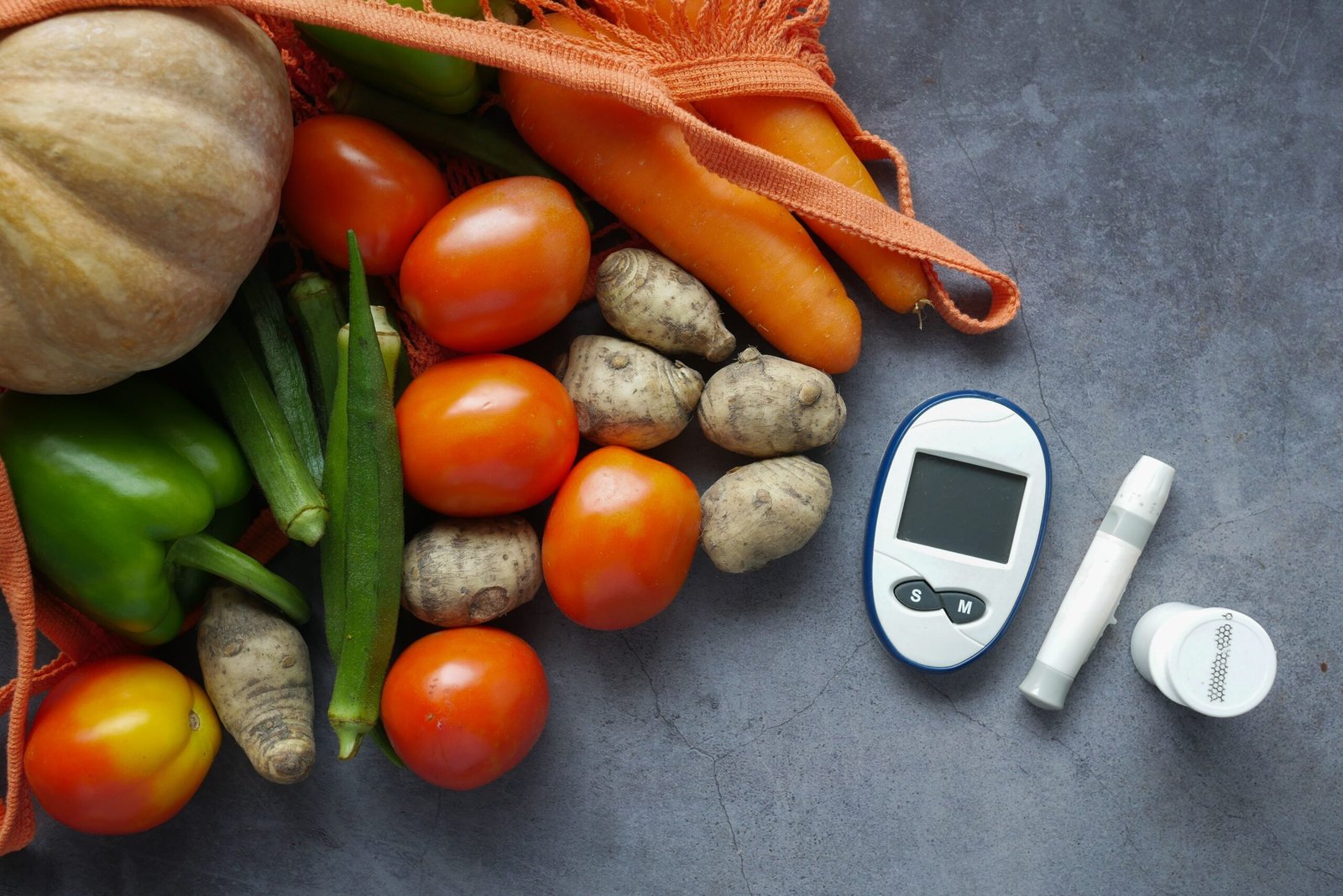
If you have ever seen a food labeled “low GI” or heard that you should avoid white rice because it “spikes your blood sugar,” you have run into the glycemic index. It is one of the most talked about ideas in nutrition and one of the most misunderstood. The short version is this. The glycemic…
Complete vs Incomplete Proteins: Do You Need to Combine Them?
If you have ever heard that rice needs beans, or that peanut butter belongs on whole grain bread for a reason, you have met the idea of protein combining. The theory says most plant foods contain “incomplete” protein, so you must pair them at the same meal or your body cannot use them properly. For…
Saturated, Unsaturated, and Trans Fats: A Plain Guide to Healthy and Unhealthy Fats
Not all fat is the same, and the difference is the single most useful thing to understand about dietary fat. Unsaturated fats from plants and fish tend to improve blood cholesterol and are the ones to favor. Saturated fat, found mostly in animal foods and tropical oils, should be limited. Artificial trans fat is the…
Complex vs Simple Carbs: What’s the Real Difference?
Chemically, the difference is size. Simple carbohydrates are made of one or two sugar units, and complex carbohydrates are chains of three or more. That is the textbook answer, and it is accurate. It is also not much help at the grocery store, because the label does not reliably tell you which foods are good…
How Much Protein Do You Actually Need Per Day?
Ask three reliable sources how much protein you need, and you can get three different answers. The National Academies’ long-standing adult figure is 0.8 grams per kilogram of body weight. The 2025-2030 Dietary Guidelines for Americans, released in January 2026, set a goal of 1.2 to 1.6 grams. Sports nutrition groups recommend more for people…
Macronutrients Explained: How Protein, Carbs and Fats Work in Your Body
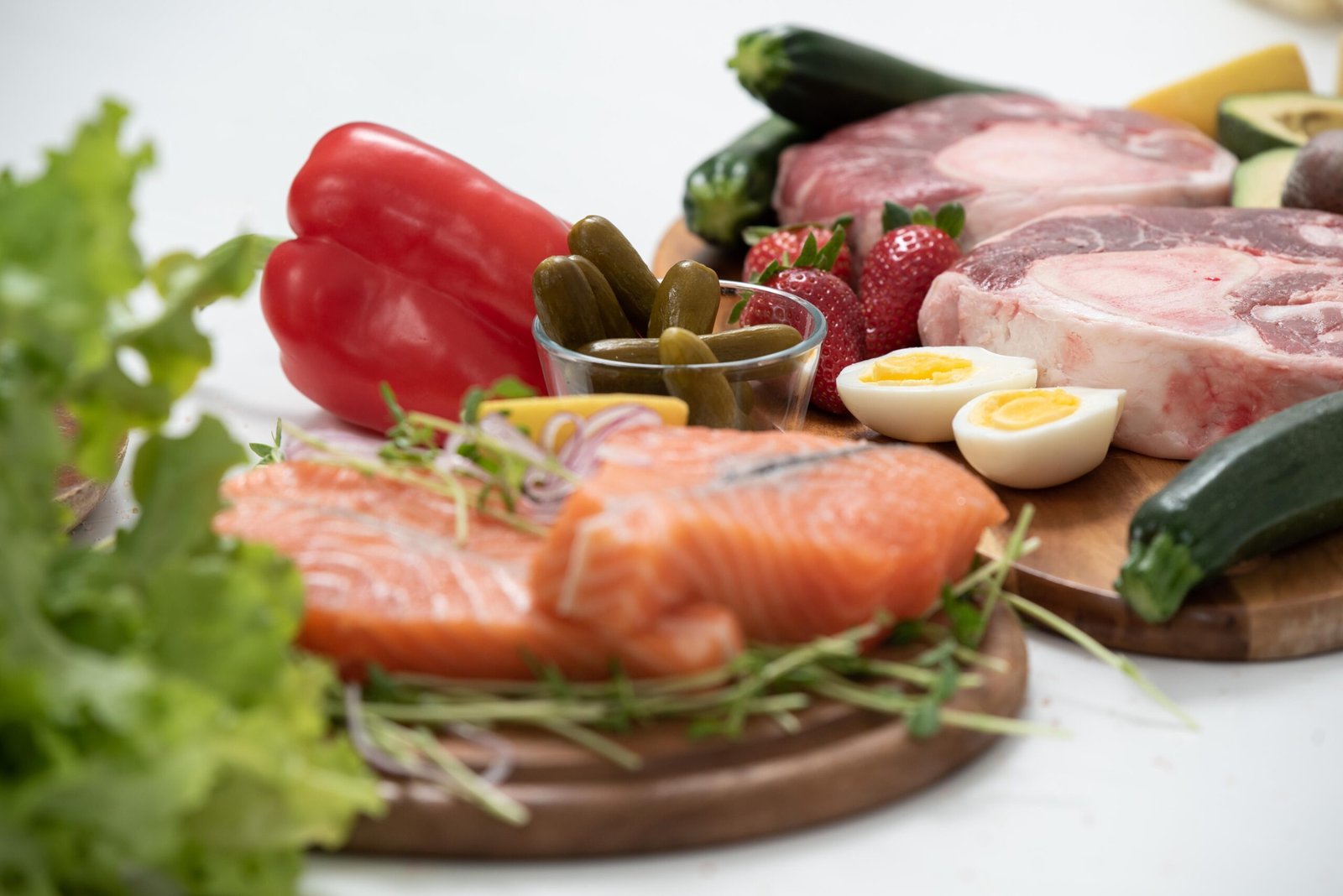
Every meal you eat is built from three large ingredients: protein, carbohydrate and fat. These are the macronutrients, and apart from alcohol they are the only nutrients that supply meaningful energy. Each one also does work the others cannot. Here is the short answer. Protein supplies the amino acids your body uses to build and…