
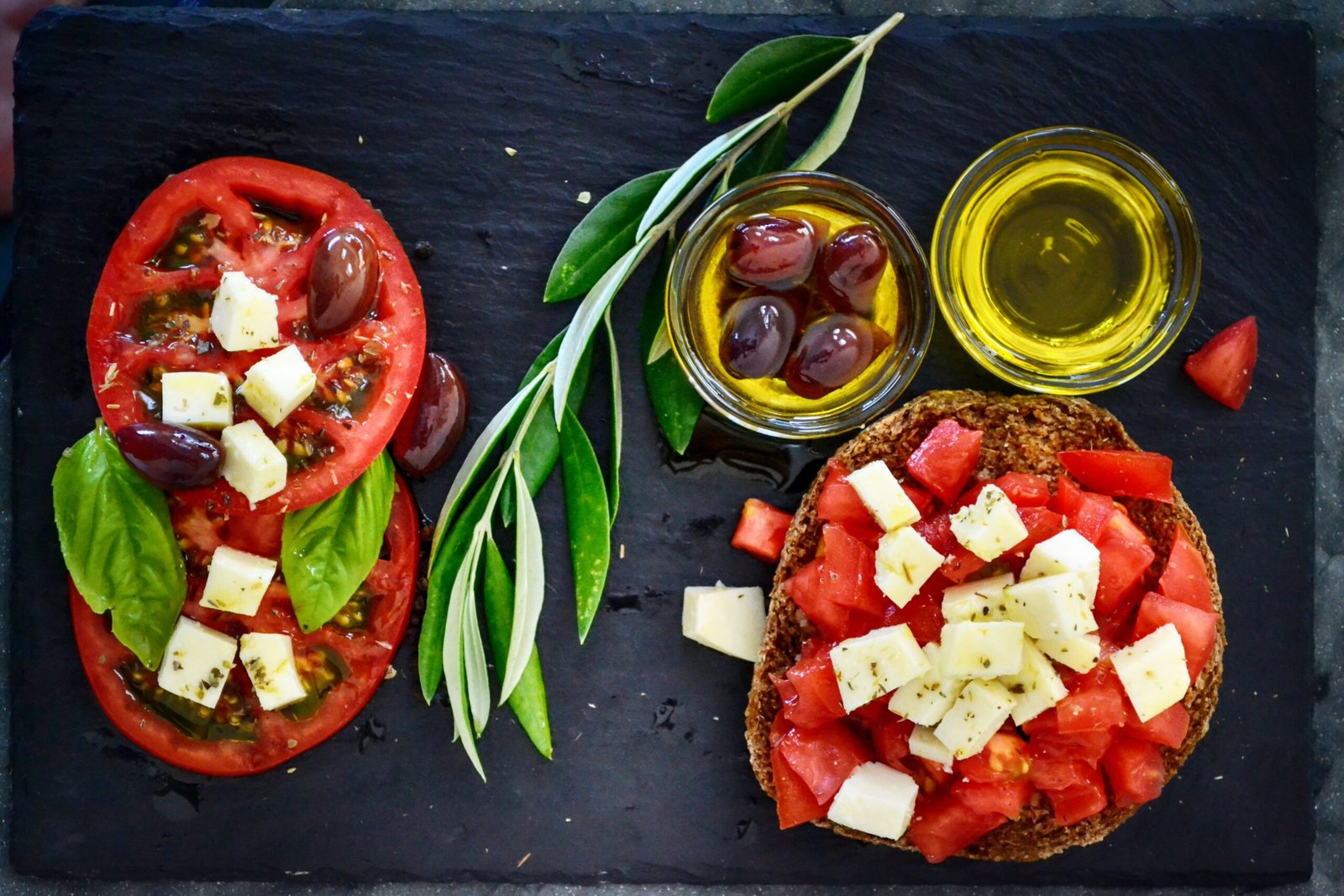
Of all the eating patterns that get discussed in nutrition research, the Mediterranean diet stands out for having one of the strongest and most consistent bodies of evidence behind it. Unlike many trendy diets that rise and fall in popularity every few years, the Mediterranean diet has been studied for decades, across large populations, with consistently favorable results for heart health, longevity, and overall chronic disease risk.
What makes it interesting is that it isn’t really a strict diet in the way people usually think of one. There’s no calorie counting, no food group elimination, and no rigid macronutrient targets. It’s more accurately described as a pattern of eating, rooted in the traditional dietary habits of countries bordering the Mediterranean Sea, particularly Greece and southern Italy, before those regions saw heavy influence from modern processed food.
This post will walk through what the Mediterranean diet actually involves, why the evidence behind it is so strong, and how to apply its principles practically without needing to move to the coast of Greece to do it.
What the Mediterranean Diet Actually Emphasizes
Rather than a strict list of allowed and forbidden foods, the Mediterranean diet is better understood as a set of general priorities and proportions.
Vegetables and fruits form the foundation. A large portion of meals center around a wide variety of vegetables, along with regular fruit intake, providing fiber, vitamins, minerals, and antioxidants across a broad range of different produce rather than relying heavily on just a few items.
Olive oil is the primary fat source. Rather than butter or other saturated fats being the dominant cooking fat, olive oil takes that role, used generously for cooking, dressing vegetables, and finishing dishes. This is one of the more distinctive and heavily studied elements of the pattern.
Whole grains replace refined ones. Bread, pasta, and grains in a traditional Mediterranean pattern tend to be whole grain rather than heavily refined, providing more fiber and a slower impact on blood sugar than their refined counterparts.
Legumes and nuts show up regularly. Beans, lentils, chickpeas, and a variety of nuts are common, regular components of meals, providing plant-based protein, fiber, and healthy fats.
Fish and seafood are prioritized over red meat. Fish, particularly fatty fish rich in omega-3s, appears regularly, often multiple times a week, while red meat is eaten more occasionally rather than as a daily staple.
Dairy appears in moderate amounts, often as cheese and yogurt. Rather than being a primary source of calories, dairy tends to show up as a moderate accompaniment, particularly in the form of yogurt and cheese, rather than large quantities of milk- or cream-based dishes.
Herbs and spices provide flavor instead of heavy reliance on salt or processed sauces. A wide range of fresh herbs, garlic, and spices are used generously, contributing flavor without relying as heavily on sodium or highly processed condiments.
Meals are social and unhurried. While this part gets less scientific attention than the food itself, a traditional Mediterranean eating pattern also tends to involve eating meals slowly, often with other people, rather than eating quickly and alone, which may contribute to some of the pattern’s benefits around portion regulation and overall relationship with food.
Why the Evidence Behind It Is So Strong
The Mediterranean diet has been studied extensively, including in large, well-designed clinical trials, which is relatively uncommon in nutrition research given how difficult and expensive long-term dietary studies are to conduct. One of the most notable is the PREDIMED trial, a large randomized study conducted in Spain that found a Mediterranean diet supplemented with either olive oil or nuts significantly reduced the incidence of major cardiovascular events compared to a lower-fat control diet.
Beyond this specific trial, decades of observational research following large populations have consistently associated closer adherence to a Mediterranean-style eating pattern with lower rates of heart disease, certain cancers, type 2 diabetes, and overall mortality. This consistency across different types of studies, different populations, and different research methods is part of why the Mediterranean diet is often cited as one of the more evidence-backed eating patterns available, rather than being based on a single study or a passing trend.
Part of why it may work so well is that it isn’t built around eliminating a specific nutrient or food group, the way many restrictive diets are. Instead, it emphasizes an overall pattern rich in fiber, healthy fats, lean protein sources, and antioxidant-rich produce, while naturally limiting processed food, added sugar, and excessive red meat, without requiring the kind of rigid restriction that tends to be difficult to sustain long-term.
Why It’s Easier to Sustain Than Many Other Diets
One of the practical advantages of the Mediterranean diet, beyond the health outcomes themselves, is that it tends to be more sustainable than many alternative approaches. It doesn’t eliminate entire food groups, which makes it easier to follow in social situations, restaurants, and different cultural contexts. It doesn’t require precise tracking or calculation, since it’s based on general proportions and food choices rather than exact numbers. And it allows for genuine enjoyment of food, flavorful cooking with olive oil and herbs, moderate wine in some traditional versions, and shared meals, rather than framing eating as a restrictive obligation.
This sustainability factor matters enormously in nutrition, since even the most evidence-backed eating pattern provides little benefit if people can’t actually maintain it over the long term. A significant part of the Mediterranean diet’s success in research may come down to the fact that people find it genuinely livable, not just theoretically healthy.
How to Apply This Practically Without Overhauling Your Life
You don’t need to adopt every single element of the Mediterranean diet at once or perfectly replicate traditional regional eating patterns to benefit from its general principles. A few practical starting points make it accessible for beginners.
Swap your primary cooking fat to olive oil where possible. If you’re currently cooking mostly with butter or other fats, gradually shifting toward olive oil for most cooking and dressing applications is one of the more well-supported individual changes within this pattern.
Add a vegetable to meals that don’t currently include one. Rather than overhauling every meal at once, start by looking for opportunities to add vegetables to meals where they’re currently missing or minimal, gradually increasing the proportion of your plate that comes from produce.
Swap refined grains for whole grains where you can. Choosing whole grain bread, brown rice, or whole wheat pasta over their refined counterparts is a simple, low-effort swap that aligns with this pattern without requiring you to give up foods you enjoy.
Incorporate fish once or twice a week if you don’t already. If your current diet doesn’t include much fish, working toward including it once or twice weekly, even simply prepared, moves you closer to this pattern’s emphasis without requiring a complete overhaul of your usual meals.
Add legumes and nuts as regular, not occasional, components. Rather than treating beans or nuts as rare additions, working them into regular rotation, a bean-based side dish, and a handful of nuts as a snack, supports both the fiber and healthy fat emphasis central to this pattern.
Treat red meat as an occasional food rather than a daily staple. This doesn’t require eliminating red meat, simply shifting its frequency so that fish, legumes, and other proteins make up a larger share of your overall protein intake across the week.
It’s a Pattern, Not a Strict Rulebook
One of the more freeing aspects of the Mediterranean diet is that it’s genuinely flexible. There’s no single official version, and traditional eating patterns vary somewhat across different Mediterranean regions and cultures. This means there’s room to adapt the general principles, more produce, olive oil as a primary fat, whole grains, regular fish and legumes, and limited processed food and added sugar to your own preferences, budget, and cultural food traditions, rather than needing to follow a rigid, prescriptive meal plan.
This flexibility is part of why it tends to be more accessible and sustainable than diets built around strict rules and eliminated food groups. You can build a Mediterranean-inspired way of eating using ingredients and dishes that reflect your own background and preferences, as long as the general proportions and priorities align with the pattern’s core principles.
A Note on Cost and Accessibility
Some elements commonly associated with the Mediterranean diet, like extra virgin olive oil, fresh fish, and certain specialty ingredients, can come with a higher price tag depending on where you shop. This doesn’t mean the overall pattern requires a large grocery budget, though. Many of its core components, dried or canned beans, frozen vegetables, whole grains, and seasonal produce, align closely with the budget-friendly staples covered earlier in this series. Prioritizing these accessible staples, while treating fresh fish or higher-end olive oil as a worthwhile but not strictly necessary addition, allows you to follow the general spirit of this pattern without requiring a significant increase in your grocery spending.
The Bottom Line
The Mediterranean diet isn’t a trendy fad or a rigid, restrictive plan. It’s a well-studied, flexible pattern of eating built around vegetables, olive oil, whole grains, legumes, fish, and moderate amounts of other animal products, with processed food and added sugar playing a much smaller role than in a typical modern diet. The evidence behind it is unusually strong and consistent, and its flexibility and lack of extreme restriction likely play a meaningful role in why people are able to sustain it long-term.
You don’t need to adopt every element at once or follow it with strict precision. Making gradual swaps, more olive oil, more vegetables, more fish and legumes, and more whole grains moves you meaningfully in this direction without requiring a complete overhaul of how you eat, and the evidence suggests that direction is a genuinely good one to move in.





Leave a Reply