
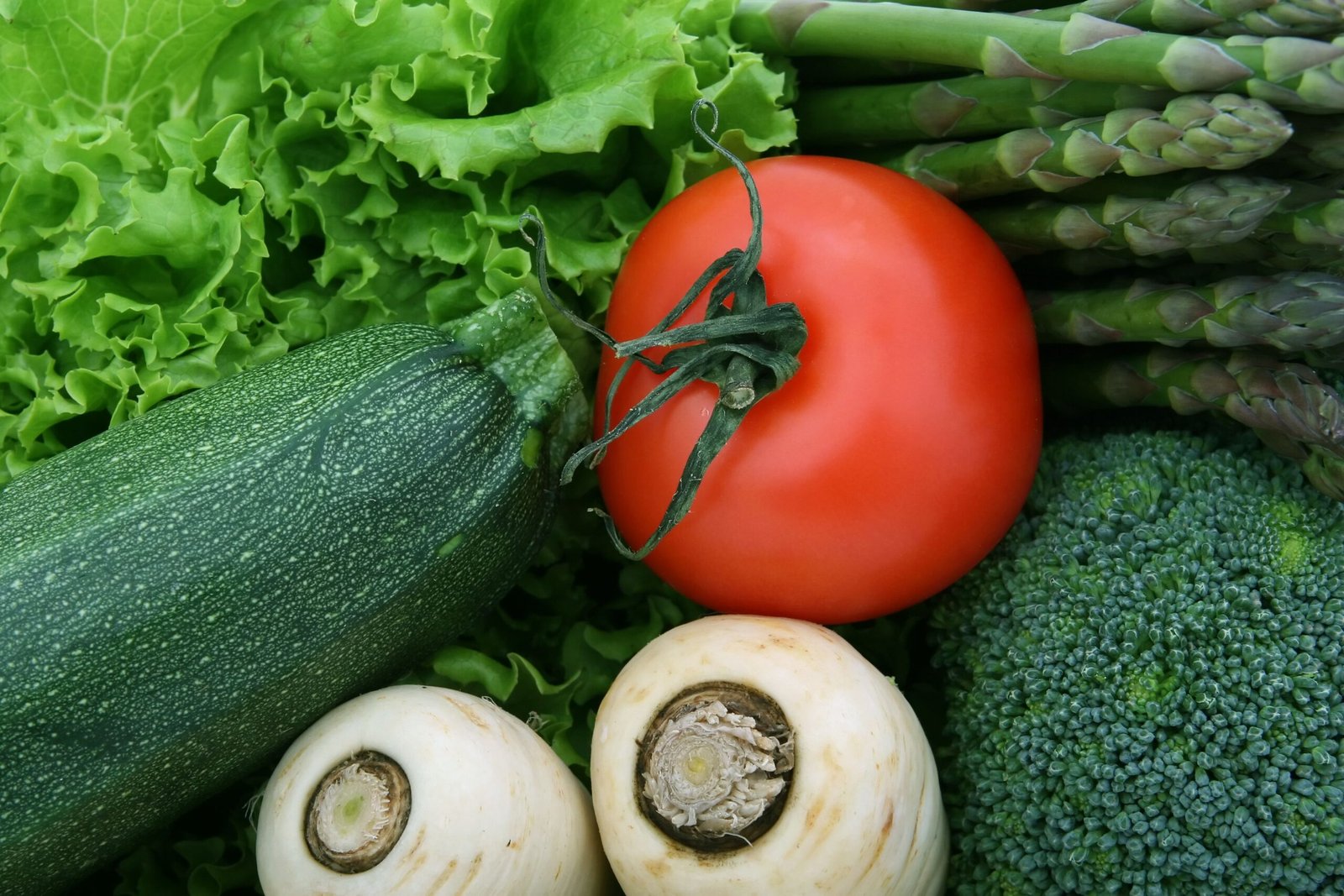
Plant-based eating often gets a reputation for being expensive, largely because of how it’s portrayed in certain corners of the wellness world: specialty meat substitutes, expensive superfood powders, and elaborate recipes calling for hard-to-find ingredients. If that’s your only exposure to plant-based eating, it’s easy to assume it requires a significant grocery budget to pull off.
In reality, the opposite is often true. Some of the most affordable foods available at any grocery store happen to be plant-based staples, and a well-built plant-based diet can be considerably cheaper than one built around regular meat consumption, particularly higher-quality cuts. This post is for anyone curious about eating more plant-based meals, whether that means going fully vegetarian or vegan or simply incorporating more plant-based meals into an otherwise omnivorous diet, without assuming you need a large budget to do it well.
You Don’t Need to Go All In
Before getting into specifics, it’s worth saying clearly that plant-based eating doesn’t have to be all or nothing. You can benefit from incorporating more plant-based meals into your week without committing to a fully vegetarian or vegan diet. Even a few plant-based meals a week can meaningfully reduce your grocery spending while adding nutritional variety, without requiring a complete identity shift around how you eat.
This matters because trying to switch entirely overnight is often what makes plant-based eating feel overwhelming or expensive, since it can push you toward unfamiliar specialty products in an attempt to replace every meat-based meal you’re used to. A gradual approach, adding plant-based meals in rather than replacing everything at once, tends to be both more sustainable and more budget-friendly.
The Cheapest, Most Nutritious Plant-Based Staples
A handful of ingredients do most of the heavy lifting in an affordable plant-based diet, providing protein, fiber, and a range of nutrients at a low cost per serving.
Dried and canned beans and lentils. These are about as affordable as protein sources get, and they’re incredibly versatile, working in soups, stews, salads, grain bowls, and countless other dishes. Dried versions are even cheaper than canned, though they require more advanced preparation, since they need soaking and longer cooking times.
Rice and other whole grains. Brown rice, quinoa, barley, and oats are all inexpensive when bought in bulk, and they provide a filling, calorie-efficient base for meals, along with fiber and some protein depending on the grain.
Frozen vegetables. As covered in the budget grocery post earlier in this series, frozen vegetables are nutritionally comparable to fresh and often significantly cheaper, particularly for vegetables that are out of season.
Tofu and tempeh. These soy-based proteins tend to be more affordable than most meat substitutes marketed specifically as “plant-based” alternatives, and they’re versatile enough to work in a wide range of dishes, absorbing whatever flavors they’re cooked with.
Peanut butter and other nut butters. An affordable source of protein and healthy fat that works well spread on toast, blended into sauces, or used in a variety of dishes beyond the obvious sandwich application.
Frozen fruit. Useful for smoothies and snacks, frozen fruit offers similar nutritional value to fresh at a lower and more stable price point.
Eggs and dairy for those following a vegetarian rather than vegan approach. If you’re not avoiding animal products entirely, eggs and dairy remain some of the most affordable protein sources available, and they can supplement a primarily plant-based diet without requiring a fully vegan approach.
Why Whole Food Plant Proteins Beat Specialty Substitutes on Cost
One of the biggest budget traps in plant-based eating is relying heavily on specialty meat substitute products, plant-based burger patties, meatless nuggets, and similar items designed to closely mimic meat. These products tend to be significantly more expensive per serving than whole food protein sources like beans, lentils, and tofu, often costing multiple times as much for a comparable amount of protein.
This doesn’t mean these products are inherently bad or that you should never use them. They can be genuinely useful for easing a transition toward plant-based eating or for occasions when you specifically want something that mimics a familiar meat-based dish. But building your everyday plant-based meals around whole food proteins, rather than relying primarily on these processed substitutes, will save a significant amount of money over time while often providing better overall nutritional value, since whole food sources typically come with more fiber and fewer additives.
Building Balanced, Budget-Friendly Plant-Based Meals
A useful framework for building plant-based meals, similar to the meal prep approach covered earlier in this series, involves thinking in terms of components rather than specific recipes.
Choose a protein base. Beans, lentils, tofu, tempeh, or a combination form the protein foundation of a plant-based meal, and cooking a larger batch at once, similar to the meal prep principles covered earlier, allows you to use it across multiple meals throughout the week.
Add a whole grain. Rice, quinoa, or another whole grain provides a filling, affordable base to build the rest of the meal around, and like the protein component, cooking a larger batch in advance saves time throughout the week.
Include a variety of vegetables. A mix of fresh and frozen vegetables, roasted, sautéed, or raw depending on the dish, rounds out the meal with fiber, vitamins, and minerals, while adding volume and visual variety to what might otherwise be a fairly simple combination of protein and grain.
Add healthy fats. A drizzle of olive oil, a handful of nuts or seeds, or a scoop of nut butter adds both flavor and nutritional balance, helping the meal feel more satisfying and complete.
Use sauces and spices to create variety. As mentioned in the meal prep post, sauces and seasoning are what prevent the same base ingredients from feeling repetitive. A curry sauce one night, a simple vinaigrette another, and a spiced tomato-based sauce another can transform the same beans, rice, and vegetables into meals that feel genuinely different from each other.
Getting Enough Protein on a Plant-Based Diet
A common concern people raise about plant-based eating is whether it’s possible to get enough protein without meat. The short answer is yes, though it does require a bit more intentionality than simply defaulting to a chicken breast at every meal.
Combining a variety of plant protein sources throughout the day, like beans, lentils, tofu, whole grains, nuts, and seeds, generally provides sufficient protein for most people, without needing to obsess over combining “complete” proteins at every single meal, a concept that’s less critical than older nutrition advice once suggested, since your body can combine amino acids from different plant sources across the day rather than requiring them in the exact same meal.
For people with higher protein needs, athletes, or those specifically working on building muscle, being a bit more intentional about protein-dense plant sources, tofu, tempeh, seitan, protein-rich legumes like lentils and edamame, and possibly a plant-based protein powder as a convenient supplement can help meet those higher targets without requiring animal products.
Getting Enough of Other Key Nutrients
Beyond protein, a few other nutrients are worth being aware of on a plant-based diet, particularly a fully vegan one, since they’re either less abundant in plant foods or less easily absorbed from plant sources.
Vitamin B12 is found naturally almost exclusively in animal products, which means anyone following a fully vegan diet needs to get it from fortified foods or a supplement, since deficiency can have serious health consequences over time.
Iron from plant sources is absorbed less efficiently than iron from animal sources, though pairing iron-rich plant foods, like lentils and spinach, with vitamin C-rich foods, like citrus or bell peppers, can meaningfully improve absorption.
Omega-3 fats are less abundant in a diet without fish, though sources like flaxseed, chia seeds, walnuts, and algae-based supplements can help fill this gap for those following a vegan diet specifically.
Calcium, if dairy is excluded, can be obtained from fortified plant milks, tofu processed with calcium, and certain leafy greens, though it’s worth being intentional about including these regularly rather than assuming they’ll show up incidentally.
These aren’t reasons to avoid plant-based eating, but they are worth being aware of, particularly for anyone following a fully vegan approach, since a bit of intentionality around these specific nutrients helps ensure a plant-based diet is genuinely well-rounded rather than accidentally missing key components.
A Sample Budget-Friendly Plant-Based Weekly List
Pulling this together, a simple, affordable plant-based grocery list for the week might look something like this:
- A couple bags of dried or several cans of beans and lentils
- A block or two of tofu
- A bag of rice or quinoa
- A few bags of frozen mixed vegetables
- Whatever fresh vegetables are in season or on sale
- A bag of frozen fruit
- A jar of peanut butter
- A bag of nuts or seeds
- Fortified plant milk, if replacing dairy
- Olive oil and a selection of spices and sauces for variety
This list, similar in spirit to the budget grocery list covered earlier in this series, provides a solid nutritional foundation for a week of varied, satisfying plant-based meals without requiring specialty products or a significant grocery budget.
Starting Small
If you’re new to plant-based eating, there’s no need to overhaul every meal at once. Starting with one or two plant-based dinners a week, gradually increasing as you build a rotation of meals and combinations you genuinely enjoy, tends to be a far more sustainable approach than attempting a complete overnight transition. This gradual approach also gives you time to figure out which whole food staples, sauces, and meal combinations actually work for your taste and schedule, rather than feeling pressured to have it all figured out immediately.
The Bottom Line
Plant-based eating doesn’t require an expensive grocery cart or elaborate specialty products to be nutritious and satisfying. Building meals around affordable whole food staples, beans, lentils, tofu, whole grains, and a variety of vegetables provides a solid, budget-friendly foundation, while whole food protein sources generally offer better nutritional value and lower cost than processed meat substitutes.
With a bit of attention to protein variety and a few specific nutrients like B12, iron, and omega-3s, particularly for those going fully vegan, plant-based eating can be both nutritionally complete and genuinely affordable. Starting gradually, one or two meals at a time, makes the whole approach far more sustainable than attempting a complete overnight transition.




Leave a Reply